Advanced Micro Devices (AMD) is making bold moves across AI, high-end CPUs, and international markets as it navigates a rapidly shifting semiconductor landscape. From data center dominance to GPU growing pains, here’s a comprehensive update on everything AMD heading into August 2025.
Key Official Announcements
🧾 Q2 2025 Earnings Preview
AMD will release its Q2 2025 financial results on August 5, 2025, followed by a live webcast at 5:00 p.m. EDT. This will provide a clearer picture of how its Instinct AI chips and EPYC CPU revenue are performing amid fierce competition and AI infrastructure demand.
🤖 Advancing AI 2025 Event Recap
At its “Advancing AI” showcase in June, AMD outlined its future AI vision—highlighting:
- The Instinct MI350 series powered by CDNA 4 architecture.
- Optimizations for Hugging Face, PyTorch, and ONNX.
- Expansion of the ROCm software stack, making AI development on AMD hardware more developer-friendly.
These moves position AMD to take on Nvidia’s Blackwell GPUs in the generative AI arms race.
🔍 Business & Market Developments
💰 MI350 AI Chip Price Jump
AMD raised prices of its MI350 chips from $15,000 to $25,000, a rare move that signals growing confidence in their ability to compete with Nvidia’s B200 accelerators. The stock rallied 4.3% after the price hike, hitting $173.66—a reflection of bullish investor sentiment.
🔎 Why it matters: Unlike past years, AMD now has real pricing power in the AI accelerator space, breaking Nvidia’s near-monopoly grip on high-end AI hardware.
📈 HSBC Boosts AMD to “Buy”
HSBC recently upgraded AMD to a “Buy” rating, citing strong demand for MI350 units and high expectations for the upcoming MI400 series, which will use next-gen CDNA 5 architecture. OpenAI is rumored to be an early adopter, potentially displacing some Nvidia deployment.
🇨🇳 Export Control Loosening Opens China Market
With U.S. trade restrictions relaxing slightly, AMD is preparing to resume MI308 shipments to China—pending export licenses. This opens doors to a vast market previously locked behind AI chip export bans, giving AMD and Nvidia renewed growth potential in Asia.
🎮 Gaming & GPU Ecosystem
📉 RDNA 4 GPU Launch Fails to Gain Steam
Despite launching the Radeon RX 9070 XT with RDNA 4 architecture, AMD continues to struggle in the discrete GPU market. According to Steam’s June hardware survey, AMD’s latest GPUs are lumped under “Other,” with Nvidia still dominating nearly 77% of the PC gaming GPU market.
🎮 Insight: While RDNA 4 shows power efficiency gains, the lack of a flagship-class GPU to challenge Nvidia’s RTX 5090 series has hurt mindshare—and sales.
⚠️ Unreal Engine 4 Ray-Tracing Bugs
Stuttering issues have been reported in several UE4 titles when run on AMD and Intel GPUs—mainly those built with Nvidia’s proprietary RTX UE4 branch. While initially blamed on AMD drivers, developers now point to engine-level compatibility issues.
✅ XeSS 2.1 Support for AMD GPUs
In a surprise move, Intel’s XeSS 2.1 SDK now fully supports AMD hardware—including frame generation. This allows Radeon GPU owners to enjoy smoother gameplay with features once exclusive to Nvidia DLSS or Intel Arc.
🧠 Innovation & Roadmap
🧬 Zen 6 Teased: Future of Ryzen & EPYC
Beta software from AIDA64 and Linux patches reference AMD’s upcoming Zen 6 CPUs, codenamed Morpheus and Medusa. These next-gen processors are rumored to use TSMC’s 3nm and 2nm nodes, targeting late 2026 or early 2027.
🔍 What to expect: Zen 6 is expected to bring architectural changes such as chiplet unification, improved AI inference, and major cache redesigns—possibly introducing stacked cache by default.
🧑💻 Threadripper 9000 Series Arrives
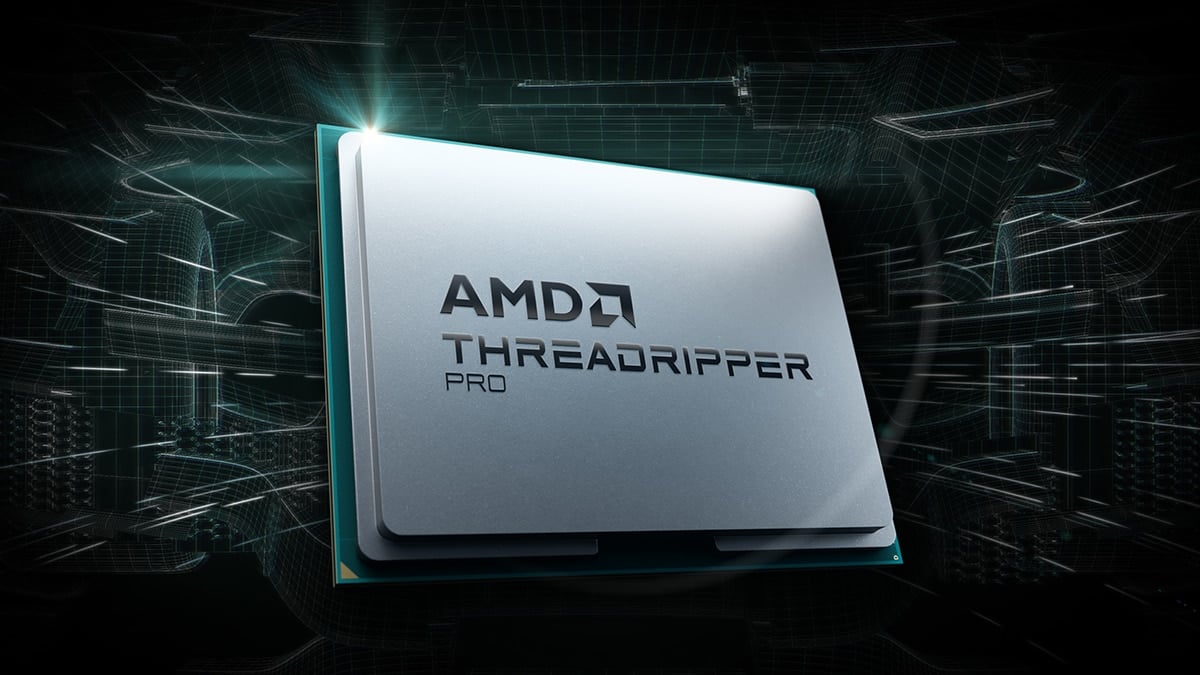
Unveiled at COMPUTEX 2025, the Ryzen Threadripper 9000 line brings up to 96 Zen 5 cores, support for DDR5-6400, and more PCIe Gen 5 lanes—reasserting AMD’s dominance in high-end desktop (HEDT) and creative workstation markets.
📊 Stock & Sentiment
📈 Share Price Nearly Doubles
AMD shares soared from $86 in April to over $194 in late July, riding the AI boom and strong confidence in the Instinct line. Its forward P/E ratio of ~78x shows elevated expectations, though still below Nvidia’s valuation.
🔮 Analyst Outlook
Piper Sandler and Wedbush analysts raised AMD’s price targets, betting on a GPU rebound in 2026 and long-term strength in the MI400/Zen 6 cycle. However, some caution remains about near-term GPU performance and aggressive Nvidia pricing strategies.
✅ Bottom Line: AMD’s Balancing Act
AMD is firmly staking its claim in AI infrastructure, workstation CPUs, and future process nodes, all while struggling to gain traction in the consumer GPU market. The company’s future hinges on its ability to:
- Maintain momentum in the MI350/MI400 AI chip family
- Innovate with Zen 6 and 3nm/2nm designs
- Regain relevance in gaming graphics
With China re-opening as a revenue stream and new software tools bridging compatibility gaps, AMD is positioning itself to compete not just with Nvidia—but with its own past limitations.
Best Budget AM5 CPUs
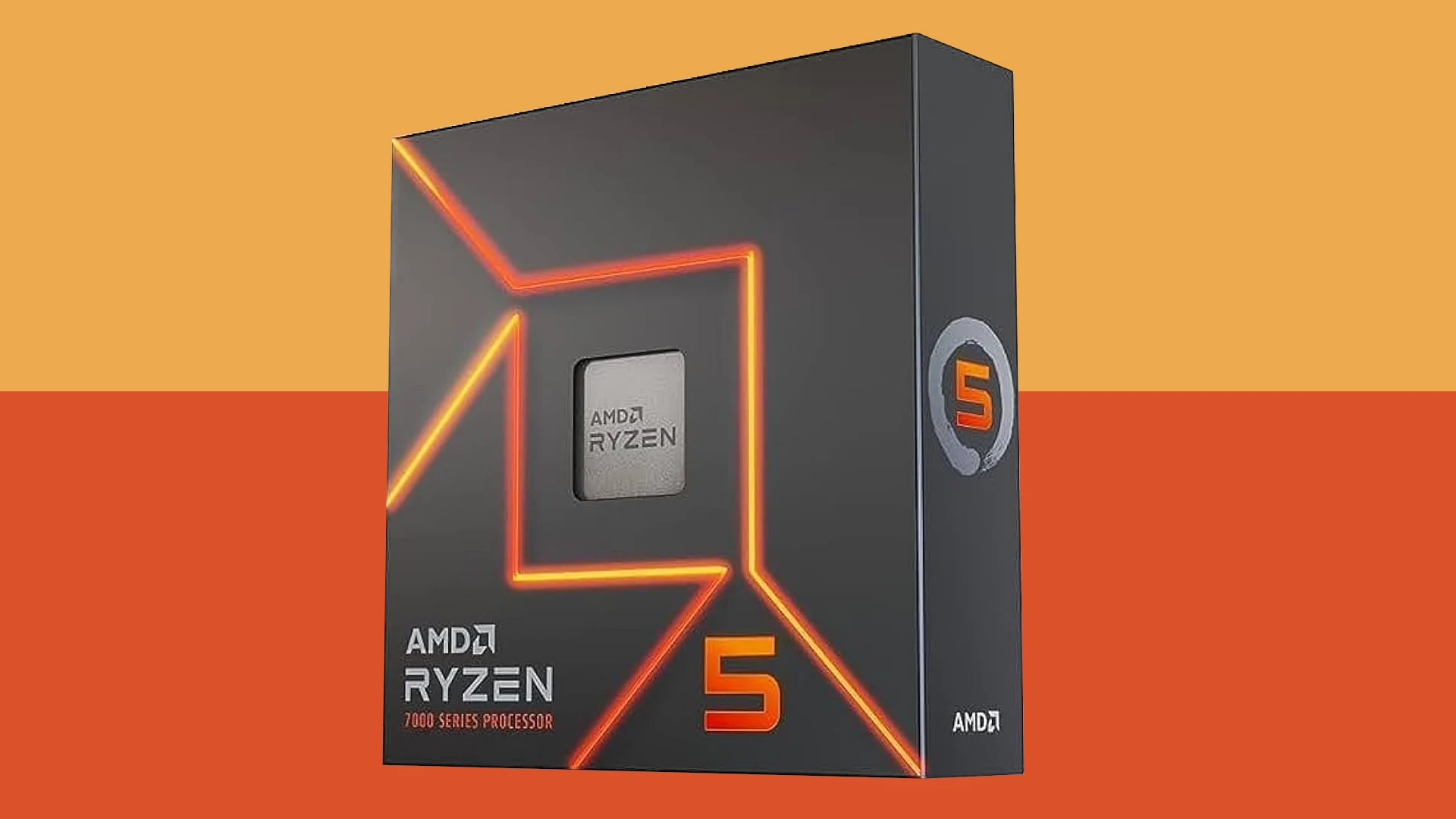
Looking for the best budget CPU for AMD’s AM5 platform can be tough. The newer socket supports faster DDR5 memory and offers a clear upgrade path for future processors. The AMD Ryzen 5 7600 stands out as an excellent budget choice for AM5 systems, offering strong gaming performance without breaking the bank.
Many builders want to join the AM5 ecosystem without spending too much money upfront. A good budget CPU needs to handle everyday tasks and gaming while leaving room in your budget for other important parts like your graphics card. The AMD Ryzen 5 7600 hits this sweet spot for many people building their first AM5 system.
1. AMD Ryzen 5 7600
The AMD Ryzen 5 7600 stands out as a budget darling for those building an AM5 system. This processor offers a good balance between price and performance for gamers and general users.
With 6 cores and 12 threads, the Ryzen 5 7600 provides enough processing power for most gaming and productivity tasks. The chip is based on AMD’s newer “Zen 4” architecture, giving it a technological edge over previous generations.
One of the 7600’s key features is its 5.2 GHz max boost clock speed, which helps with gaming performance. It’s also unlocked for overclocking, allowing users to push performance further if they have good cooling.
Price is a major selling point for this CPU. Currently priced at around $187.98 at Newegg, it offers an affordable entry point into AMD’s AM5 platform. This makes it much more accessible than higher-end Ryzen 7 or 9 processors.
The 7600 fits into the mid-tier CPU category rather than true budget territory. Some Reddit users note that while it’s good, true budget options would be the older 5600 or Intel’s 12400F.
Power efficiency is another strong point. The processor runs cooler than previous generations, which means you won’t need an expensive cooling solution. A decent air cooler will handle it just fine.
For gamers building a new PC, the 7600 pairs well with mid-range graphics cards. Many builders find it offers enough CPU power without becoming a bottleneck for most modern games.
The AM5 socket also gives users a clear upgrade path. As the platform matures, you can later upgrade to a more powerful CPU without changing your motherboard.
Compatibility with DDR5 memory means systems built with this CPU are more future-proof, though this does add to the initial system cost compared to DDR4-based platforms.
2. Intel Core i5-13400F
The Intel Core i5-13400F stands out as a strong contender in the budget CPU market despite not being on the AM5 platform. This chip offers great value at around $200, making it worth considering even when looking at AMD options.
Performance-wise, the 13400F delivers impressive results for its price point. It handles gaming tasks well, though some reviews note it might not be the best partner for high-end graphics cards. Still, for budget and mid-range builds, it provides excellent bang for your buck.
In benchmark tests, the 13400F beats the Ryzen 5 5600 in both single-core and multi-core performance. However, the difference isn’t huge, so your specific needs should guide your choice.
The “F” in the name means this CPU lacks integrated graphics. You’ll need a separate graphics card, which most gamers would buy anyway. This design choice helps keep the price lower.
When building a budget gaming PC, the 13400F makes a lot of sense. PC Gamer even names it the best budget CPU option currently available, showing its strength in the value segment.
Platform costs are another advantage. Intel’s entry-level motherboards for this chip tend to be quite affordable, making the total build cost competitive even compared to AM5 options.
The 13400F features a mix of performance and efficiency cores, similar to higher-end Intel chips. This hybrid architecture helps with multitasking and more demanding workloads.
Power efficiency is decent but not remarkable. The chip draws more power than some AMD alternatives, but not enough to cause concerns for most users with adequate cooling.
For gamers on a tight budget who want solid performance now rather than future upgrade potential, the 13400F makes a compelling case. It handles modern games well at its price point without breaking the bank.
3. AMD Ryzen 5 7600X
The Ryzen 5 7600X is a 6-core, 12-thread CPU that offers solid performance for its price. While some might not consider it a true budget CPU, it sits comfortably in the mid-tier range with excellent value.
This processor features the Zen 4 architecture, which brings improved efficiency and strong single-core performance. Gamers will appreciate its boost clock speeds of up to 5.3 GHz, making it snappy for both gaming and everyday tasks.
A standout feature is its 38 MB cache, which helps with quick data processing and reduced latency. This means faster loading times and smoother performance in many applications.
The 7600X includes integrated Radeon graphics. While not powerful enough for serious gaming, this built-in GPU handles basic display needs without requiring a separate graphics card.
Price-wise, the 7600X offers good value. Some users have found it for as low as $214.99, making it an attractive option for those entering the AM5 platform.
For gamers on a budget, the 7600X forms the foundation of value-focused gaming builds. It pairs well with mid-range graphics cards without creating performance bottlenecks.
Power efficiency is another plus. The 7600X delivers strong performance without excessive power draw, keeping system temperatures and energy costs reasonable.
Upgradeability is a key advantage of choosing this CPU. The AM5 socket promises support for future AMD processor generations, making this a smart long-term investment.
The CPU works best with DDR5 memory, which might increase initial build costs. However, this newer memory standard provides better performance and future-proofing.
4. AMD Ryzen 5 7500F
The Ryzen 5 7500F has become a popular choice for budget-conscious PC builders looking to enter the AM5 platform. This CPU offers solid performance at a much lower price point than other AM5 options.
Many gamers consider the 7500F the go-to option for latest platform gaming on a budget. It provides a great balance between cost and capabilities for those who want current-generation technology without breaking the bank.
You can find the 7500F for around $125 on AliExpress. It’s essentially a Ryzen 5 7600 that’s only 100 MHz slower and lacks integrated graphics. For most gamers using dedicated graphics cards, this makes it an excellent value.
The 7500F works well with good motherboards, making it excellent for starter builds. The AM5 socket also offers a clear upgrade path for the future, so you won’t need to replace your motherboard when you eventually upgrade your CPU.
Budget builders have created complete AM5 systems for around $750 using this processor. This makes it possible to access newer technology at a price point previously reserved for older platforms.
The “F” in 7500F indicates it lacks integrated graphics. You’ll need a dedicated graphics card with this CPU, which most gamers plan to use anyway. This design choice helps keep the price lower.
Performance-wise, the 7500F handles gaming and everyday tasks smoothly. It features 6 cores and 12 threads, giving it enough power for gaming and light content creation.
Some users buy the 7500F from international sellers like AliExpress. While this requires more research and patience, it can result in significant savings compared to other AM5 options.
When building around this CPU, pair it with a decent cooler. Though it runs cooler than higher-end Ryzen chips, proper cooling will help maintain peak performance during extended gaming sessions.
For the best experience, match the 7500F with a compatible motherboard and fast RAM. The AM5 platform benefits from speedy memory, so try to include at least DDR5-5200 in your build if your budget allows.
5. Intel Core i3-13100
The Intel Core i3-13100 represents an interesting option for budget-conscious builders. While not an AM5 processor (it uses Intel’s LGA 1700 socket), it’s worth considering as an alternative.
This entry-level chip features 4 P-cores with a maximum turbo frequency of 4.5GHz. It’s backed by 12MB of L3 cache, giving it enough power for basic gaming and everyday tasks.
Price-wise, the Core i3-13100 sits at around $150, with the 13100F variant (which lacks integrated graphics) being slightly cheaper. This makes it about 13% more expensive than its predecessor, the 12100.
For gamers on a tight budget, the 13100F can deliver surprisingly playable frame rates at 1080p. It won’t compete with higher-end chips, but it handles most games at reasonable settings.
In terms of competition, the i3-13100F offers similar performance to AMD’s Ryzen 5 4500 or 3600 in many tasks. This makes it a viable option if you’re willing to look beyond AM5 platforms.
Some users find the processor lackluster for gaming-focused builds and plan to upgrade later. This upgrade path is something to consider when comparing to AM5 options.
The lack of multi-threading in older i3 models was a drawback, but the 13100 includes hyper-threading, doubling the thread count to 8. This helps with multitasking and lightly threaded workloads.
Power efficiency is another strength. With a 60W base TDP, it runs cooler than many alternatives, often allowing for the use of the included stock cooler without issues.
For basic productivity, web browsing, and light gaming, the i3-13100 hits a sweet spot of price and performance. It won’t handle heavy video editing or CPU-intensive tasks as well as higher-tier options.
6. Asrock B650M HDV
The Asrock B650M-HDV/M.2 has become a popular choice for budget-conscious AM5 builders. This micro ATX motherboard offers solid value at around $100-120, making it one of the most affordable entry points into the AM5 platform.
Users have praised this board for its simple, clean look and integrated I/O shield. The no-frills design keeps costs down while still delivering essential features for a basic AM5 build.
Despite its budget status, the B650M-HDV includes PCIe 5.0 support for one M.2 slot. This future-proofs your system somewhat, allowing for next-gen storage upgrades down the line.
Memory support is another bright spot. Several users report successfully running DDR5-6000 CL30 memory without issues. This pairs well with budget Ryzen 7000 series CPUs, which benefit from faster RAM.
The VRM (voltage regulator module) design is surprisingly robust for an entry-level board. It can handle standard Ryzen 7000 processors without thermal issues, though extreme overclocking isn’t recommended.
One limitation worth noting is the rear I/O, which some users find a bit sparse on USB ports. Plan accordingly if you connect many USB devices.
Some reviewers have mentioned a potential flaw with this motherboard, so checking recent user feedback before purchasing is wise. However, most buyers seem satisfied with their purchase overall.
For pairing with budget AM5 CPUs like the Ryzen 5 7600 or 7600X, this motherboard makes a lot of sense. The money saved can go toward better components elsewhere in your build.
The B650M-HDV works well in compact builds too. Its micro ATX form factor fits in smaller cases while still offering the essentials for a modern PC setup.
Amazon customers frequently comment on this board’s excellent value proposition. Many consider it the perfect foundation for an affordable AM5 system that doesn’t sacrifice too much functionality.
7. MSI PRO B650M-P
The MSI PRO B650M-P is a solid budget motherboard option for AM5 builds. It’s priced at just $120, making it one of the most affordable B650 motherboards available.
This micro-ATX board offers good value for those building with Ryzen 5000 or 8000 series CPUs. It works especially well with Ryzen 5 and Ryzen 7 processors, providing stable performance for everyday use.
The PRO B650M-P includes support for DDR5 memory, giving you access to faster RAM speeds. This future-proofs your system somewhat, even at this budget price point.
One nice feature is the ample USB Type-A ports on the rear I/O panel. This makes connecting peripherals easy without needing extra hubs.
The board also has Zen 5 support, meaning it’s ready for upcoming AMD processors. This adds some longevity to your purchase if you plan to upgrade later.
For cooling and power, the B650M-P handles lower to mid-range CPUs well. You could even enable PBO (Precision Boost Overdrive) with a slight overclock on Ryzen 5 or 7 chips if you have decent cooling.
The board features a clean, professional design without flashy RGB elements. This fits well in office environments or minimalist builds where function matters more than appearance.
MSI designed this motherboard with flexible tools to make system building easier. Its user-friendly BIOS helps new builders get up and running quickly.
While it lacks some premium features found on more expensive boards, the MSI PRO B650M-P delivers where it counts. It provides reliable performance, essential connectivity, and compatibility with current and upcoming AMD processors.
For budget-conscious builders who need an AM5 platform without spending too much, this motherboard hits the sweet spot. It offers enough features for daily computing and light gaming without unnecessary extras that drive up costs.
8. GIGABYTE B650M D3HP
The GIGABYTE B650M D3HP is a budget-friendly motherboard option for those looking to build a system with an AM5 CPU. This micro-ATX board offers solid features without breaking the bank.
The motherboard supports AMD Ryzen 7000, 8000, and 9000 series processors with the AM5 socket. This gives users plenty of options for CPU pairing based on their budget and performance needs.
Power delivery on the B650M D3HP consists of a 5+2+2 phase digital VRM solution. While not as robust as higher-end motherboards, it’s adequate for mainstream CPUs and light overclocking.
Memory support includes dual-channel DDR5, which helps future-proof your system even on a budget. This allows users to take advantage of the speed benefits that DDR5 offers over previous generation memory.
Some users have expressed mixed opinions about this board on Reddit discussions. One post mentioned uncertainty after seeing negative comments about it, showing that opinions vary among builders.
When compared to alternatives like the MSI PRO B650M-P, buyers often wonder which budget option provides better value. Both are entry-level choices that aim to balance cost with functionality.
According to Newegg reviews, the B650M D3HP is considered an average performer that works well for budget-conscious gamers. It offers good features for its price point without trying to compete with premium models.
The board includes standard connectivity options expected in this price range. Users get enough ports for basic setups, though they shouldn’t expect the extensive I/O found on more expensive alternatives.
For anyone building a budget AM5 system, this motherboard represents a viable entry point. It balances cost considerations with enough features to support modest gaming and productivity needs.
9. Scythe Mugen 6 60.29 CFM CPU Cooler
The Scythe Mugen 6 stands out as a top choice for budget AM5 builds. This cooler offers excellent cooling performance without breaking the bank, priced at only $55.
The design features a single-tower setup with 6 heat pipes that efficiently transfer heat away from your CPU. This simple but effective design helps keep temperatures low even during intense gaming or productivity tasks.
What makes the Mugen 6 special is its Wonder Tornado 120mm fan. The fan uses a 9-blade vortex-type design that moves air efficiently while keeping noise to a minimum.
Noise levels are impressively low with this cooler. It’s one of the quietest options available in its price range, making it perfect for quiet builds or for users sensitive to fan noise.
The fan can reach speeds up to 2000 RPM, providing plenty of cooling power when needed. The PWM control lets your motherboard adjust the fan speed based on temperature, balancing cooling and noise.
Installation is straightforward on AM5 motherboards. The mounting system is user-friendly, and the cooler comes with all needed hardware and clear instructions.
Clearance isn’t an issue with most RAM modules. The Mugen 6’s design allows it to fit well in most cases without blocking memory slots, which can be a problem with larger coolers.
For AM5 CPUs running at stock speeds, the Mugen 6 provides more than enough cooling capacity. It can even handle some light overclocking if you want to push your processor a bit further.
The cooler includes good quality thermal paste in the box. While enthusiasts might prefer premium options, the included paste works well for most users.
Many consider the Scythe Mugen 6 the best budget CPU cooler for 2024. Its performance comes close to much more expensive options, making it an excellent value for AM5 builds.
10. Montech Air 100 MicroATX
The Montech Air 100 MicroATX case stands out as a budget-friendly option for builders looking to create an affordable AM5 system. It offers remarkable value at around $65-70, which includes four ARGB fans right out of the box.
This case supports MicroATX motherboards, making it perfect for compact AM5 builds without sacrificing cooling performance. The included fans help keep your AMD components running at optimal temperatures.
Builders praise the Air 100 for its user-friendly design. The case provides plenty of internal space despite its compact footprint, making the building process straightforward even for beginners.
Cable management is well-thought-out in the Air 100, with adequate routing options to keep your build looking clean. This matters when working with limited space in a MicroATX format.
The aesthetic appeal doesn’t fall short either. With four pre-installed ARGB fans, your budget AM5 build gets a premium look without the premium price tag. The fans create an impressive lighting effect that enhances the overall appearance.
Airflow is a strong point for this case. The mesh front panel allows for excellent air intake, which is crucial when using AM5 processors that can run warm under load. Good airflow means better performance and longer component life.
Tom’s Hardware reviewed the Air 100 and noted it offers good value for money as an all-round MicroATX chassis. They highlighted the inclusion of four RGB fans at such a competitive price point.
For AM5 budget builders, the component compatibility is excellent. The case works well with popular budget AM5 options like the Ryzen 5 7500F or 7600, paired with affordable B650 MicroATX motherboards.
The case supports adequate clearance for most CPU coolers and modern graphics cards. This versatility ensures that as you upgrade your AM5 system over time, the case can accommodate more powerful components.
Storage options are sufficient for typical builds, with space for both SSDs and HDDs. This provides flexibility for balancing fast boot drives with larger capacity storage for games and media.
The build quality surpasses expectations at this price point. While not premium, the materials feel sturdy and the case should last through multiple system upgrades over the years.
Understanding AM5 CPUs
AMD’s AM5 platform represents a significant step forward in CPU technology, offering improved performance and future-proofing capabilities for PC builders on a budget. The socket and chipset design brings several advantages worth considering before making your purchase.
The Evolution of AM5 Platform
AM5 marks a major shift from AMD’s long-running AM4 socket. Released in 2022, this new socket type introduced support for DDR5 memory and PCIe 5.0, pushing computing capabilities forward.
Unlike AM4, which used a pin grid array (PGA) design, AM5 adopts a land grid array (LGA) socket with 1718 pins. This change improves durability and connection reliability.
One key advantage of the AM5 platform is its promised support until at least 2027. This makes it a better long-term investment compared to AM4, which has reached end-of-life status.
The platform also includes various chipset options to fit different budgets:
- X670E/X870E: High-end performance
- X670/X870: Premium mainstream
- B650E/B850: Enhanced mid-range
- B650/B840: Budget-friendly option
What to Expect from AM5 CPUs
AM5 CPUs deliver impressive performance across different price points. Entry-level options like the Ryzen 5 8400F provide decent gaming capability, while the Ryzen 7 9700X offers excellent mid-range performance.
For gamers specifically, the Ryzen 7 7800X3D stands out as an exceptional choice, thanks to its 3D V-Cache technology that boosts gaming performance. Budget-conscious buyers might consider the Ryzen 5 7600, which balances cost and capability.
Power efficiency has improved in newer AM5 CPUs. They run cooler than previous generations while delivering better performance per watt.
All AM5 CPUs feature integrated graphics (except “F” models), supporting basic display output without a dedicated GPU. B-series motherboards typically make the most sense for budget to mid-range builds, offering a good balance of features and affordability.
Performance Factors to Consider
When shopping for a budget AM5 CPU, several key technical aspects will determine whether you get the best bang for your buck. These include the number of cores and threads, the CPU’s speed capabilities, and how efficiently it uses power.
Core Count and Threads
The number of cores and threads in your CPU directly impacts its multitasking abilities. For budget AM5 options, the Ryzen 5 7600 offers 6 cores and 12 threads, which works well for gaming and light productivity tasks.
More cores help with:
- Video editing and rendering
- Running multiple applications simultaneously
- Future-proofing as more games utilize additional cores
The Ryzen 7 7700 steps up to 8 cores and 16 threads, offering a noticeable performance bump while still being relatively affordable in the AM5 lineup.
For most budget gamers, 6 cores is currently sufficient, but content creators might want to stretch their budget for those extra cores.
Clock Speed and Boost Frequency
Base clock speed measures how fast your CPU runs under normal conditions, while boost frequency shows its maximum potential during demanding tasks.
The Ryzen 5 7600 typically runs at a base clock of 3.8 GHz with boost capabilities up to 5.1 GHz. This makes it snappy for everyday tasks and gaming.
Higher clock speeds benefit:
- Gaming performance
- Single-threaded applications
- Quick response in everyday tasks
When comparing CPUs within your budget, remember that a higher clock speed often matters more for gaming than having additional cores. The 7000 series offers impressive boost frequencies even in budget models.
AMD’s Precision Boost technology automatically increases clock speeds when thermal headroom allows, giving you extra performance without manual tweaking.
Power Efficiency and Thermal Design Power (TDP)
TDP (Thermal Design Power) indicates how much heat a CPU generates at stock settings. Lower TDP means less power consumption and typically less heat.
Budget AM5 CPUs like the Ryzen 5 7600 have a 65W TDP, making them:
- More energy efficient than previous generations
- Easier to cool with stock or budget coolers
- Less demanding on your power supply
The AM5 platform uses TSMC’s 5nm process, which improves power efficiency compared to older AMD CPUs. This means better performance per watt.
Remember that motherboard power delivery affects how well your CPU can sustain its boost clocks. Budget B650 motherboards pair well with these CPUs without breaking the bank.
Using the stock cooler works for these CPUs at default settings, but an affordable aftermarket cooler can help maintain higher boost frequencies during extended gaming sessions.
Frequently Asked Questions
AM5 CPUs offer varying performance levels at different price points. Budget builders face several common questions when selecting components for an affordable yet capable system.
Which AMD AM5 CPU provides the best value for a budget-conscious gamer?
The AMD Ryzen 5 7600 stands out as the top value choice for budget gamers on AM5. It offers excellent gaming performance with its 6 cores and 12 threads at a more accessible price than the 7600X.
This CPU delivers perfectly fine gaming performance while keeping costs down. Its power efficiency also means you won’t need an expensive cooling solution.
For most games, the 7600 provides enough headroom to pair with mid-range GPUs without becoming a bottleneck.
How does the cheapest AM5 CPU perform compared to budget AM4 options?
The AMD Ryzen 5 7500F offers decent performance gains over comparable AM4 options, though at a higher platform cost. AM4 still provides excellent value, but lacks future upgrade paths.
AM5 is the better option for longevity since it will have CPU support until at least 2027, while AM4 has reached its end of life.
The initial investment is higher for AM5, but the platform’s DDR5 memory support and PCIe 5.0 offer better future-proofing than AM4’s aging technology.
Can you recommend a cost-efficient AM5 motherboard for a budget CPU?
B650 motherboards offer the best balance of features and affordability for budget AM5 builds. They provide adequate power delivery for CPUs like the Ryzen 5 7600 without unnecessary premium features.
When selecting an AM5 motherboard, consider your budget and preferred purchase site to find the best deals.
Entry-level B650 boards still include essential features like PCIe 5.0 and DDR5 support while cutting costs on extras like premium audio and extensive RGB.
What are the top contenders for the most affordable yet effective AM5 CPUs for everyday use?
The Ryzen 5 7600 tops the list for affordable everyday use, offering excellent multi-tasking capability and efficiency. The newer Ryzen 5 7500F provides a slightly lower-cost option with solid performance.
Both CPUs handle productivity tasks like web browsing, office applications, and light content creation with ease. They also manage modern gaming reasonably well when paired with an appropriate GPU.
These processors benefit from AMD’s improved single-thread performance in the Zen 4 architecture, making them responsive for daily computing tasks.
For users looking to build a budget AM5 system, what are the essential factors to consider?
Total platform cost is the most important factor, as AM5 requires DDR5 memory and compatible coolers. Checking your CPU’s TDP ensures you select an appropriate cooling solution.
Memory speed significantly impacts Ryzen performance, so balancing RAM costs with decent speeds (ideally 5600MHz+) will optimize your system.
Consider future-proofing your build by selecting components that allow for gradual upgrades rather than complete system replacements.
Could you suggest any budget-friendly AM5 CPU upgrades for someone transitioning from an older platform?
The Ryzen 5 7600 provides the best entry point for users upgrading from older systems like AM4 or Intel 10th gen and earlier. It offers a significant performance jump without breaking the bank.
Remember that the full platform upgrade (motherboard, CPU, and DDR5 RAM) represents the bulk of the cost when transitioning to AM5, not just the processor itself.
For extremely budget-conscious builders, waiting for sales on the 7500F can provide good value. These CPUs deliver excellent generational improvements in both gaming and productivity.