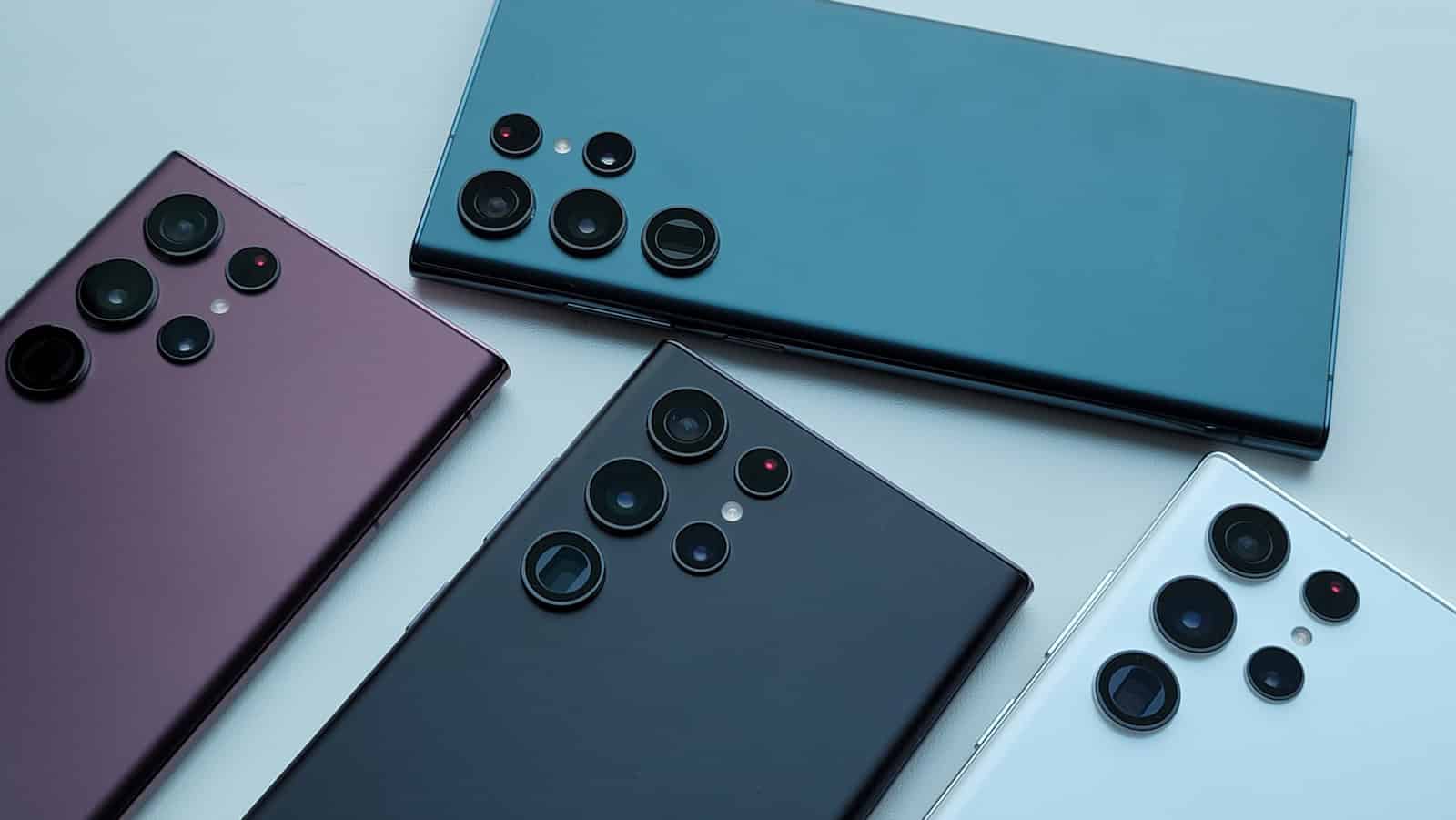
Samsung phones have become a popular choice for many, with their wide range of features and models catering to different users. The lifespan of these devices is a topic of interest for potential buyers. A Samsung smartphone’s endurance depends on various factors, including model, usage habits, and maintenance. Flagship models from 2019 and later receive three years of Android OS updates and four years of security updates, which suggests they are supported for a significant time after purchase. These updates play a critical role in prolonging the service life of a Samsung phone.
Battery life is often the limiting factor in a phone’s lifespan. While the phone itself can last for years, the battery may degrade over time and require replacement to maintain optimal performance. Samsung phones can continue to function effectively for several years with proper care and occasional battery changes. Users have reported using their Samsung devices for up to six or seven years before considering a replacement.
Tips for maintaining a Samsung phone include regular updates, avoiding extreme temperatures, and optimizing settings for battery longevity. With consistent care and mindful usage, a Samsung phone can remain a reliable companion for a considerable amount of time, extending its lifespan beyond what’s typical for some other smartphones.
How Long Does a Samsung Phone Last?
If you’re considering buying a Samsung phone—or wondering how much life your current device has left—you’re probably asking: How long do Samsung phones last?
The short answer:
👉 Most Samsung phones last 3–5 years, depending on the model, usage, and software support.
But there’s more to it. In this guide, we’ll break down:
- ✅ Average lifespan by Samsung model
- ✅ Battery life expectancy
- ✅ Software update support
- ✅ Signs it’s time to upgrade
- ✅ Tips to make your Samsung phone last longer
Average Lifespan of a Samsung Phone
Samsung phones generally last:
| Phone Type | Average Lifespan |
|---|---|
| Galaxy S Series (Flagship) | 4–5+ years |
| Galaxy Z Fold/Flip | 3–5 years |
| Galaxy A Series (Mid-range) | 3–4 years |
| Budget Models | 2–3 years |
Flagship devices like the Galaxy S24, S23, and newer S-series models are built with premium materials, powerful processors, and extended software support—meaning they can remain functional and secure for 5 years or more.
Software Updates: A Major Factor
One of the biggest factors affecting phone longevity is software support.
As of 2026, Samsung offers:
- ✅ Up to 7 years of Android OS updates (on select flagship models)
- ✅ Up to 7 years of security updates
- ✅ 4–5 years of updates on mid-range devices
This means newer flagship models can stay secure and updated until around 2030 or later, which significantly extends their usable life.
Older models (pre-2022) typically receive:
- 3–4 years of Android updates
- 4–5 years of security patches
Once updates stop, the phone may still work—but security and app compatibility can decline over time.
Battery Life Expectancy
Most Samsung phone batteries are designed to last:
- 2–3 years before noticeable degradation
- Around 500–800 full charge cycles
After this, you may notice:
- Faster battery drain
- Random shutdowns
- Slower charging
The good news? Replacing a battery can significantly extend your phone’s life for much less than buying a new device.
Performance Over Time
Samsung flagship phones age better because they include:
- Faster processors
- More RAM
- Better thermal management
Mid-range and budget models may start to feel slower after 2–3 years, especially with heavy app usage or gaming.
However, performance slowdowns can often be improved by:
- Clearing storage
- Resetting the device
- Updating software
- Replacing the battery
Physical Durability
How long your Samsung phone lasts also depends on:
- Drops and physical damage
- Water exposure
- Charging habits
- Storage conditions
Most flagship Galaxy S phones include:
- Gorilla Glass protection
- IP68 water and dust resistance
- Strong aluminum frames
Foldable models (Galaxy Z series) are durable but have more moving parts, which can slightly reduce long-term durability compared to traditional slab phones.
Signs It’s Time to Replace Your Samsung Phone
Here are common indicators your phone may be nearing the end of its lifespan:
- ❌ No longer receiving security updates
- ❌ Battery drains within a few hours
- ❌ Frequent overheating
- ❌ Apps crashing or not supported
- ❌ Storage constantly full
- ❌ Screen burn-in (on older AMOLED devices)
If your phone is 4–5 years old and experiencing multiple issues, upgrading may be more cost-effective than repairing.
How to Make Your Samsung Phone Last Longer
Want to extend your phone’s life? Follow these tips:
✅ Protect the Battery
- Avoid keeping it at 0% or 100% for long periods
- Use fast charging only when needed
- Enable Samsung’s battery protection features
✅ Use a Case and Screen Protector
Preventing physical damage dramatically extends lifespan.
✅ Keep Software Updated
Updates improve performance and security.
✅ Avoid Overheating
Don’t leave your phone in hot cars or direct sunlight.
✅ Replace the Battery Instead of Upgrading
A $70–$100 battery replacement can add 1–2 more years.
Can a Samsung Phone Last 5 Years?
Yes—especially newer Galaxy S and Z models with extended software support.
If properly maintained:
- A Galaxy S24 or newer can realistically last 5–7 years.
- Mid-range Galaxy A models can comfortably last 3–4 years.
Final Verdict
So, how long does a Samsung phone last?
- Budget models: 2–3 years
- Mid-range phones: 3–4 years
- Flagship devices: 4–7 years (with updates and good care)
With Samsung’s improved software commitment and durable hardware, modern Galaxy phones last longer than ever.
If your device is still receiving updates and running smoothly, there’s no rush to upgrade. But if battery health, performance, and security support are declining, it might be time for a new Galaxy.
Key Takeaways
- Samsung smartphone lifespan varies with model and user maintenance.
- Battery replacements can extend the life of a Samsung phone.
- Regular updates and proper care contribute to longer phone usage.
Determining the Lifespan of Samsung Phones
The longevity of Samsung phones varies based on factors such as how the devices are used and maintained. Elements like software updates and physical care play a significant role.
Factors Impacting Durability and Performance
Samsung smartphones, including models like the Galaxy S23 and Galaxy S22, are built to withstand daily use. Their durability depends on build quality, materials, and design. For instance, falling onto hard surfaces can cause screen damage or other physical harm. Overheating can lead to performance issues. Good care can greatly extend a phone’s usable life.
Software and Operating System Influence
Software updates and support are crucial for Samsung devices. New Android updates, like Android 12 and 13, bring the latest features. They also fix security vulnerabilities. Samsung typically provides major OS updates for three years and security updates for at least four years, keeping their phones like the Galaxy S21 series current.
Battery Health and Maintenance
Battery condition affects Samsung phone lifespan. Lithium-ion batteries lose capacity over time. This leads to reduced battery life. Regular charging habits and avoiding full battery drain can help. Some users may opt for battery replacement to rejuvenate their Samsung phone.
Comparative Analysis with Competitors and Successors
Samsung phones often compete with brands like iPhone, OnePlus, and Google Pixel. For example, the Galaxy S23 Ultra’s performance compares with the OnePlus 11 and Pixel 6. Successor models like the Galaxy S23 Plus offer improved technology over older models like the Galaxy S10.
Support and Services for Device Longevity
Samsung offers support services, including repairs and advice on maintaining devices. Screen protectors can prevent damage. Additional services extend the life of devices and make them last longer.
Consumer Usage Patterns and Replacement Cycles
How users handle their Samsung phones impacts their lifespan. Some replace their phones frequently to have the latest model. Others use their phone until it becomes outdated. Usage like gaming and multitasking can influence the timing of upgrades.
Enhancements in Newer Models
New Samsung models have enhancements that may make them last longer. The Galaxy S23 Ultra comes with a Snapdragon 8 Gen 2 chipset for better performance. Such improvements can extend the life of devices compared to older models.