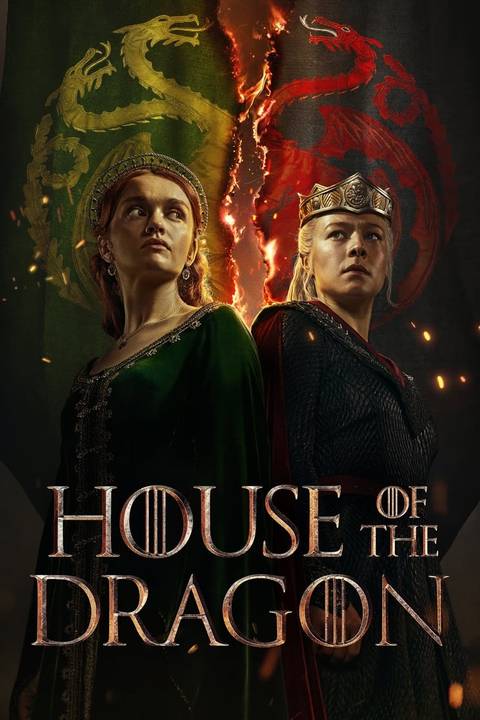
The world of Westeros is heating up again. HBO’s hit fantasy drama House of the Dragon is officially returning for Season 3 in June 2026, and fans can expect the conflict between the Targaryen factions to escalate into full-scale war. Even more significant: HBO has confirmed the series will conclude with Season 4, currently expected to air in 2028.
Here’s everything we know so far.
Season 3 Premiere Date Confirmed
After months of anticipation, HBO has officially set June 2026 as the premiere window for House of the Dragon Season 3.
The production timeline follows a similar pattern to previous seasons, with large-scale filming, heavy visual effects work, and detailed post-production contributing to the longer gap between seasons.
The Story So Far
Season 2 ended with tensions between the Blacks (Rhaenyra Targaryen’s faction) and the Greens (Alicent Hightower and Aegon II’s faction) reaching a breaking point. Political maneuvering gave way to open hostility, setting the stage for the brutal civil war known in George R. R. Martin’s lore as The Dance of the Dragons.
Season 3 is expected to move beyond setup and into the heart of the conflict.
What to Expect in Season 3
🔥 Full-Scale War
Unlike the earlier seasons that focused heavily on court politics and succession disputes, Season 3 will reportedly lean into:
- Large-scale battles
- Major dragon-versus-dragon confrontations
- Shifting alliances across Westeros
- Devastating losses on both sides
The war between the Blacks and Greens will intensify, and the consequences will reshape the Targaryen dynasty permanently.
🐉 More Dragon Action
One of the biggest highlights of House of the Dragon has been its expanded dragon roster. Season 3 is expected to feature:
- More screen time for fan-favorite dragons
- Massive aerial combat sequences
- The emotional and political fallout of dragon casualties
The stakes are higher than ever—because when dragons fight, kingdoms burn.
Cast and Characters
While HBO has not released a full Season 3 cast breakdown, the core players are expected to return, including:
- Emma D’Arcy as Rhaenyra Targaryen
- Olivia Cooke as Alicent Hightower
- Matt Smith as Daemon Targaryen
- Ewan Mitchell as Aemond Targaryen
- Tom Glynn-Carney as Aegon II
New characters may also be introduced as the war spreads to new regions of Westeros.
The Series Will End with Season 4
HBO has confirmed that House of the Dragon will conclude with Season 4, currently projected for release in 2028.
Rather than stretching the narrative indefinitely, the creative team plans to tell a focused, complete adaptation of the Dance of the Dragons storyline from George R. R. Martin’s Fire & Blood.
This decision suggests:
- A tightly paced final arc
- Major, irreversible character outcomes
- A definitive end to this chapter of Targaryen history
Why the Show Is Ending at Season 4
The Dance of the Dragons is a contained historical conflict within the broader Game of Thrones universe. Ending at Season 4 allows the series to:
- Avoid filler storylines
- Maintain high production quality
- Deliver a strong, cohesive conclusion
It also leaves room for other potential spinoffs set in different eras of Westeros.
Production Scale and Expectations
House of the Dragon remains one of HBO’s most ambitious productions, featuring:
- International filming locations
- Extensive CGI and dragon effects
- Large ensemble battle sequences
With Season 3 promising high-stakes action and emotional devastation, expectations are extremely high.
Final Thoughts
With Season 3 arriving in June 2026 and a confirmed end in Season 4 (2028), House of the Dragon is entering its most intense phase yet. The political chess match is over—now the real war begins.
Fans can expect dragon fire, betrayal, shifting loyalties, and tragic consequences as the Targaryen civil war unfolds.
The Dance of the Dragons is far from over—and Westeros will never be the same.
House of the Dragon Map
Navigating the intricate world of Westeros and Essos is made tangible in the HBO series “House of the Dragon.” The prequel to “Game of Thrones” provides a deeper look into the history of the Targaryen family and their dragons, set 200 years before the events that enthralled a global audience. The interactive map of these continents extends an invitation to viewers to explore the locations central to the storyline, enriching the understanding of the series’ intricate political and family dynamics.
Geography plays a crucial role in the unfolding drama of “House of the Dragon,” as the power struggles and alliances are intertwined with the lay of the land. From the jagged coastline of Dragonstone to the lush lands of the Reach, the geography defines the borders of influence and control exerted by the noble houses. Fans who engage with the map gain a clearer perspective of where pivotal scenes take place, adding a visual dimension to the intricate narrative laid out by George R.R. Martin.
As “House of the Dragon” unravels, the map acts as a guide through the political machinations and simmering tension that fill each episode. It offers a foundation for the audience to grasp the strategic significance of each location, be it the battleground of the Stepstones or the Free Cities of Essos. Knowledge of the world in which the Targaryens strive for supremacy becomes as important as the characters themselves, providing context that heightens the viewing experience.
Key Takeaways
- “House of the Dragon” builds upon the geography of Westeros and Essos to frame its storytelling.
- The map serves as a visual guide to strategic locations and noble house territories.
- Understanding geographical context enriches the experience of the series’ political and family dramas.
Exploring the Geography and Houses in ‘House of the Dragon’
The landscape and bloodlines of ‘House of the Dragon’ form a vital backbone to its epic narrative. Geography defines the power struggle while familial ties between houses emphasize political influence and the quest for dominance.
Westeros and its Paramount Houses
Westeros is a vast land, home to several paramount houses that wield significant power. House Stark rules the North, while the Lannisters hold sway in the Westerlands. Sitting atop the Iron Throne is House Targaryen, the rulers of the Seven Kingdoms. Each house has its distinct sigil, traditions, and allegiances.
Essos and Beyond: The Wider World
East of Westeros lies Essos, a continent teeming with varied cultures and cities. It is home to the Free Cities, regions like Lys, and the trade routes that are lifelines for commerce. Essos serves as a stark contrast to Westeros with its own set of political intrigues and power players.
Key Locations and Their Significance
Important locations include the Red Keep in King’s Landing, where the Iron Throne sits. Dragonstone, the ancestral seat of House Targaryen, is another key location. Harrenhal is a formidable castle noted for its size and dark history.
The Political Landscape and Tensions
Political tensions in ‘House of the Dragon’ stem from the succession crisis and the rivalry between Princess Rhaenyra and Prince Aegon for the Iron Throne. Houses like Velaryon and Hightower align themselves with different claimants, each seeking advantage in the impending conflict.
Maritime Dominance: Ships and the Sea
The sea holds great importance, featuring fleets like those of House Velaryon, led by Lord Corlys, also known as the Sea Snake. Control of the Narrow Sea and key locations like the Stepstones can affect trade and military strategy.
Casting Light on the Cast of Characters
Notable characters include King Viserys, his brother Daemon, and Princess Rhaenyra. Their relationships and decisions shape the course of events. Actors like Matt Smith and Fabien Frankel bring these characters to life with their performances.
The Dragons of ‘House of the Dragon’
Dragons are the embodiment of House Targaryen’s might. Creatures like Rhaenyra’s dragon play a crucial role in the balance of power. The bond between Targaryens and their dragons is a core element of the story, representing both prestige and destructive potential.