
The Apple A17 chip marks a significant milestone in mobile processing technology. As a successor to the A16, the A17 is built using a 3 nm manufacturing process, making it Apple’s most advanced chip to date. Apple integrates the A17 chip exclusively into the iPhone 15 Pro and iPhone 15 Pro Max. This cutting-edge technology includes a 6-core CPU with two high-performance cores and a 6-core GPU, both of which contribute to swift and efficient operations.
Apple’s focus with the A17 chip extends beyond sheer performance. The chip houses 19 billion transistors, allowing for remarkable processing power and energy efficiency. This translates to longer battery life and faster applications, making the iPhone 15 Pro series stand out in the smartphone market. With implications for both everyday users and professionals, the A17 chip enhances the overall experience by providing speed, efficiency, and advanced features that are crucial for modern tasks and sophisticated applications.
Apple A17 Chip Breakdown
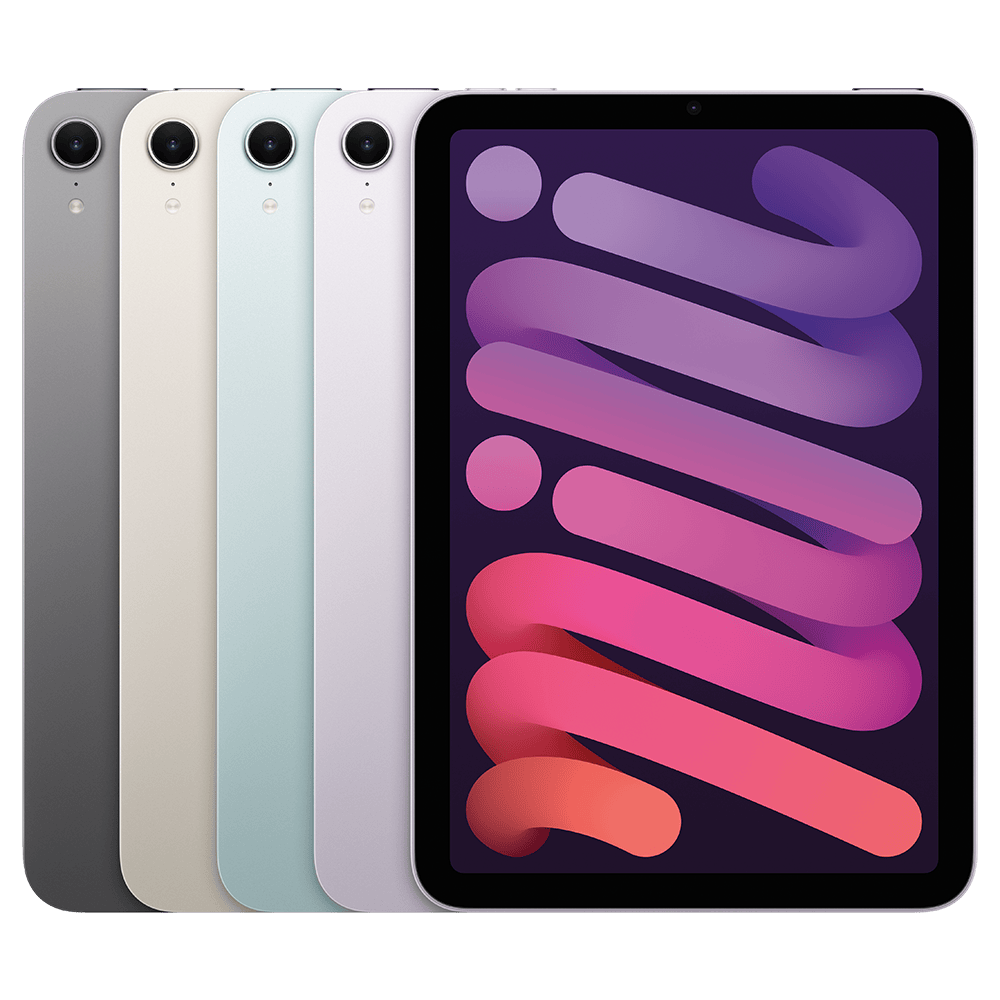
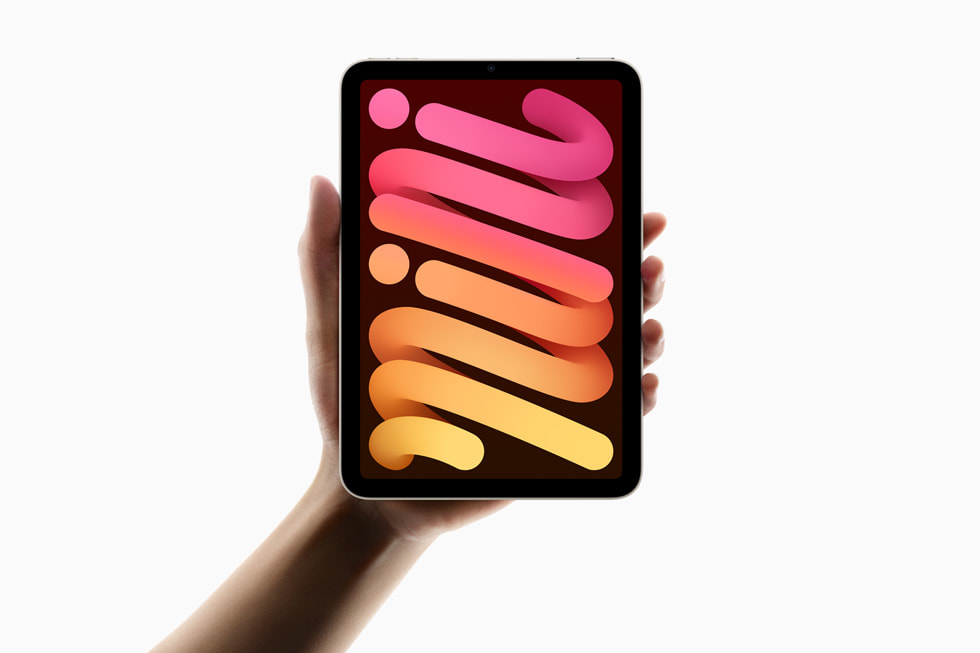
The Apple A17 chip, officially known as the Apple A17 Pro, is a cutting-edge 64-bit ARM-based system on a chip (SoC) designed by Apple Inc. It represents a significant leap forward in mobile processing technology and is featured in Apple’s latest high-end devices such as the iPhone 15 Pro, iPhone 15 Pro Max, and the 7th generation iPad Mini.
Key Features
3 Nanometer Process Technology
The A17 Pro is the first widely available SoC built on TSMC’s advanced 3 nm manufacturing process. This enables improved power efficiency and higher transistor density, translating into better overall performance and battery life.
CPU and GPU
The chip integrates a redesigned GPU that delivers a substantial boost in graphics performance, marking a new era of mobile gaming and graphics-intensive applications on iPhones. The CPU also benefits from architectural improvements, providing faster and more efficient processing for everyday tasks and demanding applications.
Neural Engine and AI Capabilities
The A17 Pro includes an enhanced Neural Engine that powers advanced AI and machine learning features, making the iPhone more responsive and capable of handling complex tasks such as image processing, voice recognition, and augmented reality experiences.
Integrated Components
As a system on a chip, the A17 Pro combines the CPU, GPU, Neural Engine, image processor, and memory controller into a single ultra-efficient package, optimizing performance and energy consumption.
Devices Using the A17 Pro
- iPhone 15 Pro
- iPhone 15 Pro Max
- iPad Mini (7th generation)
Summary
The Apple A17 Pro chip is a major advancement in Apple’s silicon lineup, leveraging the 3 nm process for improved efficiency and performance. Its powerful CPU, redesigned GPU, and advanced AI capabilities make it a cornerstone for the latest iPhones and iPad Mini, especially excelling in gaming, photography, and machine learning applications.
For more detailed information, see the Apple A17 Pro Wikipedia page here.
Key Takeaways
- The A17 chip is Apple’s most advanced SoC using a 3 nm process, exclusively for the iPhone 15 Pro models.
- It features a 6-core CPU and a powerful GPU housed within 19 billion transistors for high performance and efficiency.
- The A17 chip significantly improves the iPhone’s processing capability and energy utilization, setting a new standard for smartphones.
A17 Chip Overview
The A17 Pro chip from Apple marks a significant enhancement over its predecessor, the A16 Bionic, providing significant boosts in speed and efficiency. This section dives into the intricacies of the new A17 Pro chip, covering its architecture, performance improvements, and broader impact on technology.
Architecture and Performance
The A17 Pro chip integrates a 6-core design consisting of two high-performance CPU cores and four efficiency cores. It’s built on a groundbreaking 3-nanometer process, making it one of the most advanced chips in a smartphone. Reports from sources like AnandTech and Tom’s Hardware confirm that these high-performance cores are up to 10% faster than those in the A16.
Technological Advancements
As a semiconductor masterpiece with 19 billion transistors, the A17 Pro’s 3nm process technology is a step forward in manufacturing. It makes the chip more powerful and energy-efficient. Notably, this hardware leap enables hardware-accelerated ray tracing, enhancing graphics significantly.
Compatibility and Integration
The A17 Pro is currently compatible with the iPhone 15 Pro and iPhone 15 Pro Max. Integration into future Apple devices is likely, potentially expanding to include upcoming models of iPads and possibly MacBooks.
Gaming and Graphics
With its enhanced GPU design, the A17 Pro brings console-quality graphics to mobile. Gamers can enjoy advanced gaming features like ray tracing in titles like ‘Resident Evil Village’. These improvements are promising for both users and game developers.
Artificial Intelligence and Machine Learning
The chip’s 16-core Neural Engine executes 35 trillion operations per second. This immense processing power advances machine learning tasks such as language processing and image recognition, used by applications like photos and chatbots.
Energy Efficiency and Battery Life
One of the most touted features is the energy efficiency of the A17 Pro. Its design includes energy-efficient cores and a more efficient semiconductor process, leading to longer battery life without compromising performance.
Market Positioning and Pricing
Reportedly, the introduction of the A17 Pro chip has maintained the iPhone 15 Pro models’ price point, starting at $999 for the standard model. The Pro Max, featuring the same chip, starts at $1,199, competing directly with high-end Android phones.
Future Prospects
The adoption of the A17 Pro sets a precedent for future chip designs, potentially influencing the semiconductor industry. Given its advancements, it could prompt competitors to develop chips with similar or greater capabilities.
Connectivity and Expansibility
With the inclusion of enhanced components like a USB-C port, the A17 Pro improves transfer speeds and connectivity options. It opens up possibilities for connecting to a wider range of accessories and supports faster data transmission.