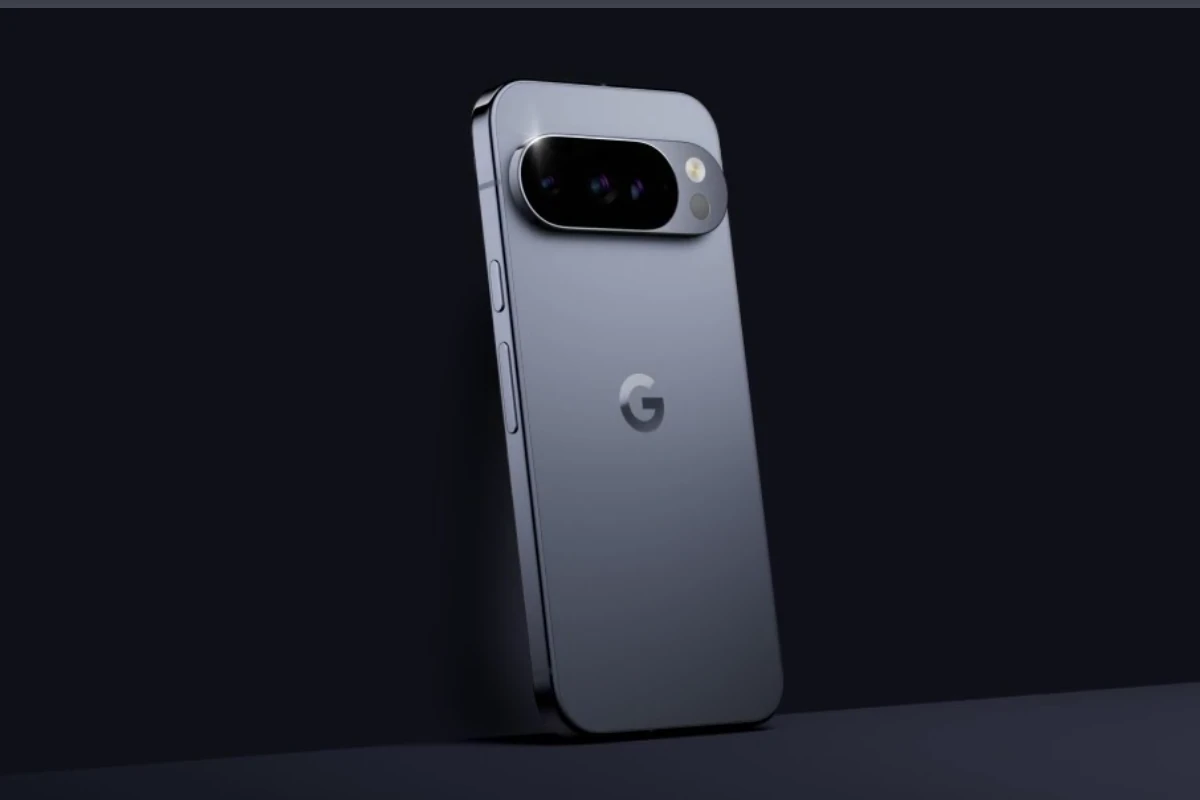
Mark your calendar: Google’s Pixel 10 series is officially set to launch on August 20, 2025, during the highly anticipated Made by Google event. Not only is this shaping up to be one of the most significant Android hardware drops of the year, but savvy shoppers can also unlock an exclusive Google Store offer just by signing up for emails ahead of time.
Below, we break down everything you need to know about the launch event, the expected devices, pricing, special offers, and how to be among the first to grab Google’s next-gen smartphone.
Google Pixel 10 Event: Key Details
- Date & Time: August 20, 2025, at 10 a.m. PT / 1 p.m. ET
- Where: Likely hosted in New York City and livestreamed on YouTube
- What to Expect: A major hardware showcase featuring not just smartphones but a broader Google ecosystem reveal
Google is expected to unveil the following:
- Pixel 10
- Pixel 10 Pro
- Pixel 10 Pro XL
- Pixel 10 Pro Fold
- Pixel Watch 4
- Pixel Buds 2a
This year’s theme? AI-first hardware, powered by the all-new Tensor G5 chip, rumored to be the first Tensor built entirely in-house using TSMC’s 3nm process—marking a leap in efficiency and AI capabilities.
Official Link: https://store.google.com/magazine/google_pixel_10
Exclusive Offer from the Google Store
Want a discount on a brand-new Pixel 10? Here’s how to score it:
- Sign up for Google Store marketing emails using your Google account before August 18, 2025 at 11:59 p.m. PT
- You’ll receive a promo code on August 20, valid for a discount on one Pixel 10 device
- Promo valid only at store.google.com and expires September 4, 2025 at 11:59 p.m. PT
- Limit: 1 code per customer, U.S. residents only, must use a Google Pay profile set to the U.S.
The offer appears aimed at increasing first-day adoption while rewarding Google’s most loyal fans.
🔍 What We Know So Far: Pixel 10 Specs, Models & Pricing
Design and Display
Leaked renders and Google’s own teasers confirm a more refined and symmetrical design, with a slimmer camera bar and a flatter back. The Pixel 10 Pro and XL models will feature QHD+ LTPO OLED displays with up to 120Hz refresh rates, while the base Pixel 10 sticks with FHD+.
Performance: Tensor G5 Takes the Stage
The Tensor G5 is expected to debut across the lineup. This chip could rival Qualcomm’s Snapdragon 8 Gen 4 in performance and AI acceleration thanks to a custom TPU and improved modem integration. It’s also reportedly the first Tensor chip made using TSMC’s 3nm node, not Samsung’s foundry—potentially solving past overheating issues.
Cameras: A Smarter Imaging Stack
Early leaks suggest:
- Pixel 10/10 Pro: Upgraded 50MP primary sensor with new computational photography tricks
- Pro XL & Pro Fold: Triple-lens setup, including a periscope telephoto with 5x optical zoom
- Enhanced Night Sight, Magic Editor 2.0, and real-time object removal baked in
AI Features
Expect Google to lean heavily into on-device AI features:
- Live Translate 2.0
- Call Screen with contextual awareness
- Generative AI wallpapers & text summarization
- Pixel AI Assistant (rumored upgrade to Google Assistant with Gemini-based functionality)
Storage & Pricing (Expected)
- Pixel 10 (128GB) – $799
- Pixel 10 Pro (256GB) – $999
- Pixel 10 Pro XL (512GB) – $1,199
- Pixel 10 Pro Fold (512GB) – $1,799
Pricing is mostly in line with the Pixel 9 series, but expect minor increases for Pro XL and Fold models due to higher material and manufacturing costs.
🚚 Shipping & Availability
According to supply chain sources and retailers like Best Buy and Amazon leaks, Pixel 10 pre-orders will go live immediately after the event, with shipping expected to begin August 28 in most regions.
✅ What You Should Do Right Now
- Subscribe at the Google Store by August 18 to receive the launch-day promo code
- Bookmark the YouTube livestream for the Made by Google event on August 20
- Prepare to pre-order early — demand is expected to be high, especially for the Pixel 10 Pro XL and Fold
- Compare models carefully — the Pixel 10 series will span multiple sizes, storage tiers, and camera configurations
Final Thoughts
With the Pixel 10 series, Google is signaling its most confident hardware play yet—pushing boundaries on AI, chip design, and premium build quality. Between the promise of Tensor G5, an expanded lineup, and deep AI integration, this year’s drop could rival the iPhone 16 in both ambition and market excitement.
Don’t miss out. August 20 could be the start of Google’s biggest Pixel era yet.
Google Pixel 10 Pro
Google’s Pixel 10 Pro is generating significant buzz as tech enthusiasts eagerly await its arrival. The device is expected to launch in late 2025, following Google’s traditional October release schedule, though there’s speculation this timeline might shift based on the Pixel 9’s earlier release pattern. While official details remain scarce, industry experts anticipate the Pixel 10 Pro will showcase Google’s latest advancements in mobile photography, AI capabilities, and hardware design.
The Pixel 10 Pro represents Google’s continued push to compete with premium smartphone offerings from Apple and Samsung. Building on the foundation of previous models, the Pro variant will likely feature enhanced camera technology, a more powerful processor, and exclusive software features that distinguish it from the standard Pixel 10. The device is positioned to appeal to photography enthusiasts and users who value clean Android experiences with priority updates.
Google’s hardware division has steadily improved with each generation, addressing previous shortcomings while introducing innovative features. The Pixel 10 Pro stands to benefit from these iterative improvements, potentially offering better battery life, display technology, and performance compared to its predecessors. As the release date approaches, more concrete specifications and pricing details will emerge to give consumers a clearer picture of what to expect.
Key Takeaways
- The Pixel 10 Pro will likely showcase Google’s latest camera innovations and AI capabilities when it launches, potentially later in 2025.
- Google may modify its traditional October release timeline based on changes observed with the Pixel 9 series launch strategy.
- The premium smartphone will compete directly with flagship devices from Apple and Samsung through exclusive features and clean Android experiences.
Design and Display
The Google Pixel 10 Pro represents a significant evolution in Google’s smartphone design philosophy. The device balances aesthetic appeal with functional improvements, featuring a refined camera bar and premium materials throughout its construction.
Build Quality
The Pixel 10 Pro continues Google’s commitment to premium build quality with high-grade materials. Based on leaked information, the device likely features Gorilla Glass Victus on both the front and back panels, offering improved drop and scratch resistance compared to previous generations.
The frame appears to be constructed from recycled aluminum, maintaining Google’s environmental commitments while providing structural integrity. The device maintains a comfortable grip despite its premium materials, with precisely machined edges and buttons that provide tactile feedback.
IP68 water and dust resistance remains standard, allowing the phone to withstand submersion in up to 1.5 meters of water for 30 minutes. This protection gives users peace of mind when using the device in various environments.
Screen Technology
The Pixel 10 Pro is expected to feature a 6.3-inch OLED display with significant improvements over its predecessors. The screen likely incorporates LTPO technology, enabling a variable refresh rate that can scale from 1Hz to 120Hz depending on the content.
This adaptive technology preserves battery life while still delivering smooth scrolling and animations when needed. The display reportedly achieves peak brightness levels of up to 2,000 nits, ensuring excellent visibility even in direct sunlight.
Color accuracy remains a priority, with the display covering 100% of the DCI-P3 color gamut. Google has also likely reduced the bezels further, resulting in an almost edge-to-edge viewing experience that maximizes screen real estate without increasing the overall device footprint.
Design Evolution
The Pixel 10 Pro represents a significant design evolution from earlier Pixel models. The most notable change appears in the camera bar, which has been refined from the full-width band seen on the Pixel 6 and 7 series to a more elegant, floating design.
This new approach maintains the distinctive Pixel look while creating a more sophisticated aesthetic. The camera modules are arranged in a visually balanced layout that emphasizes the phone’s photographic capabilities without dominating the design.
Color options for the Pixel 10 Pro likely continue Google’s tradition of offering both classic and playful finishes. Leaked renders suggest matte textures that resist fingerprints while providing a premium feel in the hand.
The front of the device features a centered hole-punch camera, continuing the clean design language established in recent Pixel generations. This balanced approach creates a device that feels both modern and distinctively Google.
Hardware Specifications
The Google Pixel 10 Pro boasts impressive hardware components that position it as a flagship contender in the smartphone market. Its technical specifications showcase Google’s commitment to performance, storage flexibility, and battery efficiency.
System on Chip
The Pixel 10 Pro is powered by Google’s new Tensor G5 chip, built on advanced 4nm architecture. This represents a significant upgrade from previous generations, offering enhanced processing capabilities and improved energy efficiency.
The chipset features a nine-core configuration with varied clock speeds (3.0 GHz, 2.45 GHz, and 2.15 GHz), allowing for intelligent task distribution. This arrangement optimizes performance while maintaining power efficiency during everyday use.
The Tensor G5 brings notable improvements to AI processing capabilities, enabling more sophisticated computational photography and real-time language processing. Machine learning tasks execute faster and with greater accuracy than in previous models.
Graphics performance sees a substantial boost, making the device suitable for demanding games and multimedia applications. The chip also includes dedicated neural processing units for AI tasks that don’t heavily tax the main CPU.
Storage Options
The Pixel 10 Pro offers versatile storage configurations to meet different user needs and budgets:
- 128GB – Entry-level option ideal for light users
- 256GB – Mid-tier storage suitable for most users
- 512GB – High-capacity option for media enthusiasts
- 1TB – Maximum storage for power users and content creators
All storage variants utilize high-speed UFS technology, ensuring quick app loading and file transfer speeds. This allows for smoother multitasking and improved system responsiveness.
Google continues to exclude microSD expansion in the Pixel 10 Pro, following the trend of premium smartphones. However, the company offsets this limitation by offering cloud storage integration through Google One services.
Battery and Charging
The Pixel 10 Pro houses a substantial 4700 mAh battery designed to deliver all-day performance under typical usage conditions. This capacity strikes a balance between longevity and device thickness.
Charging capabilities include fast wired charging that can rapidly replenish the battery to 50% in approximately 30 minutes. The exact wattage supported represents an improvement over previous Pixel generations.
Wireless charging support is included, with compatibility for Qi-certified charging pads. The device also features reverse wireless charging, allowing it to power smaller devices like earbuds or smartwatches.
Google has implemented advanced battery management algorithms that learn from usage patterns. These optimizations help extend battery life by intelligently allocating system resources based on individual user behavior.
Software and Ecosystem
The Google Pixel 10 Pro will bring significant software enhancements that elevate the user experience. Google’s focus on software optimization, AI capabilities, and consistent updates continues to be a major selling point for the Pixel lineup.
Operating System
The Pixel 10 Pro is expected to launch with Android 16, representing a major upgrade from the Pixel 9 series which surprisingly debuted with Android 14. This new OS version will likely introduce refined user interface elements and performance improvements specifically optimized for the Pixel hardware.
Google’s clean, bloatware-free approach to Android remains intact, providing users with the purest Android experience possible. The system will feature enhanced privacy controls and security features that build upon previous iterations.
The OS will likely include more customization options, allowing users to personalize their device experience more deeply than before. Material You design language will continue to evolve, creating a more cohesive and visually pleasing interface.
AI Integration
AI capabilities remain at the heart of the Pixel 10 Pro experience, with Google further expanding its AI toolkit. The integration of generative AI features will be more pronounced, building upon the foundation established in previous models.
Expanded Google Assistant functionality will provide more contextual awareness and predictive capabilities. Users can expect improved real-time translation, smarter text suggestions, and enhanced photo editing tools powered by Google’s advanced AI algorithms.
The Pixel 10 Pro may introduce new AI-powered camera features, including an enhanced version of Video Boost that could potentially allow users to upscale 4K footage to 8K resolution using cloud processing. This represents Google’s continued focus on computational photography and videography.
Voice recognition and natural language processing should see notable improvements, making interaction with the device more intuitive and responsive.
Software Updates
Google’s commitment to long-term software support remains a significant advantage for the Pixel lineup. The Pixel 10 Pro will likely receive at least five years of OS updates and security patches, ensuring the device stays current and secure throughout its lifespan.
Feature drops will continue to deliver new capabilities and improvements on a regular basis, adding value to the device over time without requiring hardware upgrades. This approach has become a hallmark of the Pixel experience.
Security updates will be delivered promptly, addressing vulnerabilities quickly and efficiently. This consistent support helps maintain the device’s performance and security long after purchase, distinguishing it from many Android competitors.
Google’s transparent update schedule provides users with clear expectations about when new features and improvements will arrive, enhancing the overall ownership experience.
Camera and Photography
The Pixel 10 Pro continues Google’s tradition of photographic excellence with significant hardware improvements and AI-powered features. Camera capabilities have been enhanced across the board, offering better low-light performance, improved zoom capabilities, and more sophisticated video recording options.
Main Camera Specs
The Pixel 10 Pro comes equipped with an upgraded camera system that builds upon the strong foundation of previous Pixel models. Google has improved the main sensor with increased light sensitivity, allowing for clearer images in challenging lighting conditions.
The selfie camera has received a notable 30% improvement in light sensitivity, resulting in brighter self-portraits with better detail preservation. This upgrade addresses a key area where previous models sometimes struggled.
The telephoto lens has also seen refinements, providing more accurate color reproduction and sharper details when zooming. These hardware improvements work in tandem with Google’s computational photography algorithms to produce stunning results.
The camera array maintains the distinctive Pixel design language while incorporating new sensors that capture more information per shot.
Advanced Features
Night Sight on the Pixel 10 Pro has been further enhanced to capture even more detail in extremely low light. The improvements allow users to take clear photos in near darkness without using flash.
Google’s AI-powered Zoom Enhance technology has evolved, allowing for impressive digital zoom capabilities that maintain remarkable clarity. This feature intelligently fills in details that would normally be lost when zooming.
The photo editing suite now includes more generative AI tools that let users modify images after they’ve been taken. These tools can remove unwanted objects, adjust lighting, and even change expressions in group photos.
Portrait mode now offers more natural-looking bokeh effects with improved edge detection. Hair and other fine details are rendered with greater accuracy than in previous generations.
Video Capabilities
Video recording on the Pixel 10 Pro has received substantial upgrades with improved stabilization for smoother footage. The phone now handles motion more effectively, reducing the shakiness common in handheld recording.
AI-based video editing features allow users to perform intuitive edits directly on the device. These tools make it easier to create professional-looking content without transferring footage to a computer.
The Pixel 10 Pro supports 4K recording at 60fps with improved HDR capabilities. Colors appear more vibrant and true-to-life, while highlights and shadows retain more detail than before.
Audio recording during video has been enhanced with better noise cancellation and directional audio capture. This ensures that subjects’ voices come through clearly even in noisy environments.
Pricing and Availability
The Google Pixel 10 Pro is expected to maintain Google’s premium pricing strategy while offering enhanced features compared to previous models. The anticipated August 2025 release will likely follow Google’s established pattern for flagship launches.
Market Position
The Pixel 10 Pro will position itself in the high-end smartphone market, competing directly with Apple’s iPhone and Samsung’s Galaxy S-series. Based on current pricing trends, the Pixel 10 Pro is expected to retail for approximately $999, maintaining the same price point as the Pixel 9 Pro.
The Pro XL variant will likely command a higher price tag, potentially around $1,099-$1,199. Google appears to be maintaining its multi-tiered approach with four distinct models codenamed after horse breeds: “Frankel” (standard Pixel 10), “Blazer” (Pixel 10 Pro), “Mustang” (Pixel 10 Pro XL), and “Rango” (Pixel 10 Pro Fold).
This strategy allows Google to cover various price segments while keeping the Pro models firmly in premium territory.
Regional Availability
Google’s Pixel devices typically launch first in key markets including the United States, Canada, United Kingdom, Australia, Japan, and select European countries. The Pixel 10 Pro is expected to follow this pattern with a phased global rollout.
Initial availability will likely focus on regions where Google has established strong Pixel presence. Some markets may experience delayed releases of 1-2 months after the initial launch.
Pre-orders will probably open immediately following the announcement event, with devices shipping within 2-3 weeks. Google’s online store will serve as the primary purchase channel, though carrier partnerships and retail availability through partners like Best Buy will expand access.
Cost Considerations
The Pixel 10 Pro may face potential price hikes due to several factors. Advanced components like the new Tensor G5 chipset and enhanced camera systems with Video Boost capabilities could increase manufacturing costs.
Storage configurations will significantly impact pricing:
- 128GB (base model): $999
- 256GB: +$100
- 512GB: +$200
Trade-in programs will offset costs for existing Pixel owners. Google typically offers promotional deals during launch periods, potentially including free Pixel Buds or Google Store credits with pre-orders.
Carrier financing options will make the devices more accessible through 24-36 month payment plans. The enhanced Video Boost feature, possibly allowing 4K to 8K upscaling, may justify any premium pricing for content creators and photography enthusiasts.
Comparisons and Differentiators
The Google Pixel 10 Pro stands apart through several key distinctions when examined against its predecessors and market rivals. These differences encompass hardware enhancements, software capabilities, and specialized features that define its position in the smartphone landscape.
Previous Models
The Pixel 10 Pro builds significantly on its predecessors’ foundations. Compared to the Pixel 9 Pro, it features enhanced processing power with the latest Tensor chip and improved AI capabilities for smoother performance.
Battery charging technology has seen notable advancement. While the Pixel 8 Pro reached 50% charge in 30 minutes with a 30W adapter, the Pixel 9 Pro XL improved to 70% in the same timeframe using a 45W fast charger. The Pixel 10 Pro is expected to maintain or exceed this standard.
Camera capabilities continue Google’s tradition of photography excellence. The computational photography features have evolved substantially from earlier models, with enhanced low-light performance and more sophisticated portrait modes.
Display technology has progressed from the Pixel 8 series, offering higher brightness levels and more responsive touch performance. The 6.4-inch FHD+ display represents a refinement of Google’s screen technology.
Competitor Comparison
The Pixel 10 Pro enters a competitive field against flagship devices from Apple and Samsung. Its projected price point of $999 positions it strategically against similar premium offerings.
Key Competitive Advantages:
- Android 15 implementation with Google-exclusive features
- Superior computational photography
- Longer software support than most Android competitors
- Seamless integration with Google’s ecosystem
Battery performance and charging speeds now rival or exceed many competitors, addressing a historical weakness in the Pixel lineup. This puts the Pixel 10 Pro on more equal footing with devices that have traditionally outperformed it in this area.
Processing performance with the latest Tensor chip focuses on AI tasks rather than raw benchmarks, creating a different value proposition than competitors that prioritize gaming performance.
Pro Models Distinction
The Pixel 10 lineup features clear differentiation between standard and Pro models, with the Pro variant commanding a $200 premium over the base Pixel 10’s expected $799 price.
The Pro model introduces several exclusive features:
- Enhanced camera system with additional sensors
- Premium build materials and finishing
- Advanced display technology with higher refresh rates
- Additional RAM for improved multitasking
The lineup also includes a Pixel 10 Pro XL variant for users seeking a larger display. This three-tiered approach (standard, Pro, Pro XL) mirrors strategies employed by competitors while maintaining Google’s distinctive software advantages.
The rumored Pixel 10 Pro Fold (codenamed “Rango”) suggests Google continues expanding its premium offerings into the foldable space, further distinguishing the Pro lineup as Google’s innovation showcase.
Technology Partnerships
Google has forged strategic alliances with key technology partners to enhance the capabilities of the Pixel 10 Pro. These partnerships span critical components including processors, displays, and connectivity modules that will define the device’s performance when it launches in August 2025.
Processor Manufacturing
The Pixel 10 Pro will feature the Tensor G5 processor, manufactured by TSMC using their advanced 3nm process technology. This partnership represents a significant upgrade from previous generations, offering substantial improvements in both performance and power efficiency. The shift to 3nm technology enables Google to pack more transistors into the same space, resulting in faster processing speeds.
TSMC’s manufacturing expertise has allowed Google to implement enhanced AI capabilities in the G5 chip. On-device machine learning tasks will execute up to 40% faster than on the Pixel 9 Pro series.
Industry analysts predict the new processor will deliver significant gains in computational photography, allowing the Pixel 10 Pro to maintain its reputation for exceptional camera performance. The manufacturing partnership has reportedly cost Google a premium, potentially contributing to the rumored price increase for the new flagship.
Display Partnerships
Google has partnered with Samsung Display for the Pixel 10 Pro’s screen technology. The device will feature Samsung’s latest LTPO AMOLED panel, offering variable refresh rates from 1Hz to 120Hz to balance performance and battery life. This display partnership brings significant improvements to brightness levels, with peak brightness expected to reach 2,000 nits.
The collaboration has also resulted in improved color accuracy, with the display capable of covering 100% of the DCI-P3 color gamut. Samsung’s latest display technology offers better power efficiency than previous generations.
Protection for this premium display comes via Corning’s Gorilla Glass Victus 2, offering enhanced drop and scratch resistance. The ultrasonic fingerprint sensor embedded in the display is expected to be 50% faster than the optical sensors used in previous Pixel models, similar to technology found in Samsung’s Galaxy flagships.
Connectivity Modules
Mediatek will supply the modem technology for the Pixel 10 Pro, marking a shift from previous partnerships. The Mediatek modem offers comprehensive 5G support across both sub-6GHz and mmWave frequencies. This partnership enables the Pixel 10 Pro to achieve theoretical download speeds of up to 7.5 Gbps in optimal conditions.
The new modem technology is also more power-efficient, potentially extending battery life during network-intensive tasks. Mediatek’s solution incorporates advanced carrier aggregation capabilities, allowing the phone to utilize multiple frequency bands simultaneously.
Connectivity enhancements also include Wi-Fi 7 support, Bluetooth 5.3, and improved NFC capabilities for contactless payments. The partnership with Mediatek represents Google’s commitment to improving network performance while balancing power consumption in their flagship devices.
Innovative Features and Enhancements
The Pixel 10 Pro represents a significant leap forward in Google’s smartphone technology. The device introduces several cutting-edge features powered by the new Tensor G5 chip, with improvements spanning display technology, processing power, and battery capabilities.
Display Enhancements
The Pixel 10 Pro showcases remarkable advancements in screen technology. Its display incorporates advanced PWM (Pulse Width Modulation) dimming for reduced eye strain during low-light use. This technology adjusts the screen brightness without the flickering that can cause discomfort for sensitive users.
The screen boasts improved peak brightness, estimated to reach up to 2,500 nits for exceptional outdoor visibility. Google has also refined the color accuracy, delivering more true-to-life images with deeper blacks and more vibrant colors across the spectrum.
Touch responsiveness has been enhanced by approximately 25% compared to previous models. The display refresh rate dynamically adjusts between 1-120Hz depending on content, optimizing both smoothness and battery life. For content creators, the enhanced color gamut covers 100% of the DCI-P3 space, making it ideal for photo and video editing on the go.
Processor Performance
At the heart of the Pixel 10 Pro sits the Tensor G5 processor, manufactured using TSMC’s advanced 3nm process technology. This smaller process node delivers significant improvements in both performance and energy efficiency over previous Tensor chips.
The G5 features a redesigned CPU architecture with enhanced AI processing capabilities. Early benchmarks suggest a 30% boost in general computing performance and up to 45% improvement in AI-specific tasks compared to the Tensor G4.
Gaming performance sees notable enhancement with the updated GPU, handling demanding titles at higher frame rates with less thermal throttling. The improved thermal management system prevents overheating during extended high-performance use.
The dedicated Neural Processing Unit (NPU) powers new on-device AI features including:
- Advanced real-time translation
- Enhanced computational photography
- Improved voice recognition with ambient awareness
- Power-efficient background processing
Charging and Battery Life
Battery life receives significant attention in the Pixel 10 Pro with a larger capacity cell estimated at 5,000mAh. The more efficient Tensor G5 chip and optimized software contribute to extended usage times between charges.
Fast charging capabilities have been upgraded to support 45W wired charging, allowing the battery to reach 70% in approximately 30 minutes. Wireless charging speeds have also improved to 23W with compatible Pixel Stand accessories.
Battery health features include an adaptive charging system that learns usage patterns to minimize battery degradation over time. The new “Performance Power” setting allows users to toggle between maximum performance or extended battery life depending on their needs.
Google has also introduced a “Battery Defense” feature that halts charging at 80% during overnight charging, only completing the final 20% shortly before the user typically unplugs the device. This significantly reduces battery wear from prolonged periods at 100% charge.
Consumer Insights
The Pixel 10 Pro has generated significant interest among tech enthusiasts and everyday consumers alike. Early feedback highlights the enhanced Gemini integration, camera improvements, and performance upgrades that distinguish it from previous models.
User Reviews
Early adopters of the Pixel 10 Pro praise its refined design and improved battery life. Users particularly appreciate the enhanced version of Google’s Video Boost feature, which reportedly allows for upscaling 4K footage to 8K resolution using cloud processing.
“The Gemini AI integration feels more natural and responsive than in the Pixel 9 series,” notes one user in an online forum.
Battery performance receives consistent positive mentions, with many reporting all-day usage without needing to recharge. The upgraded NFC capabilities also earn kudos for faster and more reliable contactless payments.
Some users report minor software glitches in the first batch of devices, though Google has been quick to address these with updates.
Expert Opinions
Industry analysts view the Pixel 10 Pro as Google’s most sophisticated hardware offering to date. Tech reviewers highlight the advanced camera system as a standout feature, particularly for photography enthusiasts.
The Pro models’ processing power impresses experts, with benchmark tests showing significant improvements over the Pixel 9 series. The Gemini AI features receive praise for their practical applications in daily use.
“Google has finally achieved hardware parity with competitors while maintaining their software advantage,” writes a prominent tech journalist.
Several reviewers note that the Pro models justify their premium pricing through tangible upgrades rather than merely cosmetic changes. The improved thermal management system also receives recognition for maintaining performance during intensive tasks.
Market Trends
The Pixel 10 Pro enters a competitive premium smartphone market where AI capabilities increasingly drive consumer purchasing decisions. Google’s focus on Gemini integration aligns with this trend.
Sales data suggests the Pixel 10 lineup is attracting users from competing ecosystems at a higher rate than previous generations. The expansion to four distinct models (standard, Pro, Pro XL, and Pro Fold) indicates Google’s commitment to covering diverse market segments.
The pricing structure remains consistent with previous generations: approximately $999 for the Pro and $1,099 for the Pro XL. This pricing strategy positions the devices as premium but still more affordable than some competitors’ flagship offerings.
Analysts predict the enhanced camera capabilities and AI features will help Google capture additional market share in the photography-focused consumer segment.