Transmitting live on Twitch is a popular method for individuals to share their gaming experiences, creative processes, or just to chat with an audience in real time. To stream on Twitch, one first needs to create an account on the platform. After signing up, personalizing the channel follows as the next crucial step. This provides a touch of individuality and helps streamers stand out among the multitude of content creators.
Setting up the streaming environment is essential. Selecting the right software, like OBS Studio, and configuring broadcast settings can influence the quality of the stream significantly. Achieving a smooth streaming experience may require troubleshooting common issues like internet connection stability or hardware compatibility. By appropriately setting up their space, streamers can ensure their content is both engaging and visually appealing to the audience.
🎮 Step 1: Create and Set Up Your Twitch Account
- Go to Twitch.tv and click Sign Up.
- Choose a unique username, secure password, and verify your email.
- Set up two-factor authentication (2FA) — this is required before you can start streaming.
- Go to Settings → Security and Privacy → Enable 2FA.
🧰 Step 2: Prepare Your Equipment
To ensure a smooth stream, you’ll need:
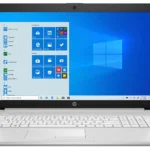
- Computer or Console: A mid-range PC or gaming console (PS5, Xbox Series X/S) works great.
- Webcam (optional): For face cam or reaction streams.
- Microphone: A USB mic (like Blue Yeti or Elgato Wave) for clear audio.
- Lighting: Even basic ring lights can improve video quality.
- Stable Internet: At least 6 Mbps upload speed for 1080p streaming.
(source: StreamerPlus, CompareInternet)
🧠 Step 3: Choose Your Streaming Software
You’ll need a broadcasting app to send your video feed to Twitch.
Popular Options:
- OBS Studio (Free & Open Source) — Most popular choice.
- Streamlabs Desktop — Easier for beginners; includes overlays and alerts.
- Twitch Studio — Twitch’s own beginner-friendly software.
(source: Streama.gg)
⚙️ Step 4: Connect Your Twitch Account to the Software
In OBS Studio or Streamlabs:
- Open Settings → Stream.
- Select Twitch as the service.
- Click Connect Account and log in to Twitch.
- Alternatively, you can use a Stream Key (found in your Twitch Dashboard → Stream Settings).
🎥 Step 5: Set Up Scenes and Sources
- Scene: A layout or screen setup for your stream (e.g., “Gameplay,” “Starting Soon,” “BRB”).
- Sources: The elements inside a scene, such as:
- Display Capture (your screen)
- Game Capture (specific game window)
- Video Capture Device (camera)
- Audio Input Capture (microphone)
You can add overlays, alerts, and chat boxes using browser sources.
🧩 Step 6: Adjust Your Stream Settings
For smooth streaming:
- Resolution: 1080p (1920×1080) or 720p (1280×720)
- Frame Rate: 30–60 FPS
- Bitrate:
- 1080p60 → 6000 kbps
- 720p60 → 4500 kbps
(Adjust based on your internet upload speed.)
🚀 Step 7: Go Live on Twitch
- In OBS or Streamlabs, click Start Streaming.
- Add a Title, Category (Game/Just Chatting), and Tags in your Twitch Dashboard.
- Once live, interact with your viewers through chat — engagement is key to growth.
📱 Step 8: Stream from Mobile (Optional)
You can also stream directly from the Twitch mobile app:
- Open the Twitch app → tap your profile → Go Live.
- Choose your category and camera.
- Start broadcasting instantly.
(source: Twitch Help – Getting Started)
🌱 Step 9: Grow Your Channel
- Be consistent: Stream on a regular schedule.
- Engage: Talk to your chat and thank new followers.
- Promote: Share clips on social media platforms (TikTok, X, YouTube Shorts).
- Upgrade gradually: Better mic, lighting, overlays, etc., as your channel grows.
🧾 Bonus Tips
- Test your stream privately using Twitch’s “Bandwidth Test Mode” in OBS.
- Use Twitch’s Creator Dashboard to monitor analytics and chat.
- Follow Twitch’s Community Guidelines to avoid strikes or bans.
✅ Summary
| Step | What to Do |
|---|---|
| 1 | Create your Twitch account |
| 2 | Set up your gear |
| 3 | Install streaming software |
| 4 | Connect Twitch to your software |
| 5 | Set up scenes and sources |
| 6 | Adjust stream settings |
| 7 | Go live |
| 8 | (Optional) Stream from mobile |
| 9 | Grow and engage your community |
Key Takeaways
- Creating a Twitch account and personalizing the channel is the initial step in starting to stream
- Choosing and configuring streaming software is vital for high-quality broadcasting
- Proper setup of the streaming environment enhances viewer engagement
Setting Up Your Twitch Streaming Environment
To start streaming on Twitch effectively, it’s important to establish a solid foundation. This involves creating an account, ensuring you have the right hardware and software, and selecting a reliable broadcasting program.
Creating a Twitch Account
To broadcast on Twitch, a person needs a Twitch account. Go to Twitch.tv and click sign up. Pick a username and a password, then follow the prompts to complete the registration. With an account, one can follow channels, interact with streamers, and start broadcasting.
Hardware and Software Requirements
A smooth streaming experience demands a capable computer. A PC or Mac should have a robust processor, ample memory, and a quality graphics card. Basic gear includes a high-definition webcam and a microphone. For software, you’ll need a stable operating system like Windows, macOS, or Linux.
Choosing the Right Broadcasting Software
When setting up a stream, choosing the right software is critical. Open Broadcaster Software (OBS) is a popular choice that’s free to use. Twitch Studio and XSplit offer alternatives, each with its own set of features. The software should match your technical needs and comfort level.