For many iPhone users, the frustration of not being able to send pictures is all too familiar. Many factors can cause this issue. Restarting the Messages app often resolves the problem quickly.
It’s essential to check whether your network settings are correct. Sometimes, enabling MMS or iMessage can make a significant difference. If that doesn’t work, resetting network settings might help.
Your phone’s software should be up to date as well. Missing updates can lead to unexpected bugs. Simple steps can often resolve the most annoying problems and help you send pictures smoothly again.
iPhone Won’t Send Pictures: Troubleshooting and Solutions
Few things are more frustrating than trying to share a photo with friends or family, only to have your iPhone refuse to send it. Whether pictures won’t send via Messages, email, or social media, this guide will help you diagnose and fix the problem quickly.
Common Reasons Why Your iPhone Won’t Send Pictures
Understanding the root cause helps you fix the issue faster. Here are the most common culprits:
- Poor internet connection (Wi-Fi or cellular data)
- MMS Messaging disabled in settings
- Large file sizes exceeding carrier limits
- iMessage activation issues
- Outdated iOS software
- Carrier service problems
- Insufficient storage space
- Network settings corruption
(source: GeeksChalk)
Quick Fixes to Try First
Start with these simple solutions before moving to more advanced troubleshooting:
1. Check Your Internet Connection
Pictures require a stable connection to send:
Test your connection:
- Open Safari and load a website
- Check if you have Wi-Fi or cellular data bars
- Try switching between Wi-Fi and cellular data
- Move to an area with better signal strength
For Wi-Fi issues:
- Go to Settings > Wi-Fi
- Toggle Wi-Fi off and back on
- Forget the network and reconnect
- Restart your router if possible
For cellular data:
- Go to Settings > Cellular
- Ensure Cellular Data is enabled
- Check that Messages has cellular data access
- Try toggling Airplane Mode on for 10 seconds, then off
(source: iPhone Life)
2. Restart Your iPhone
A simple restart resolves many temporary glitches:
iPhone 8 and later:
- Press and quickly release Volume Up
- Press and quickly release Volume Down
- Press and hold Side button until Apple logo appears
iPhone 7/7 Plus:
- Hold Volume Down + Side button simultaneously
iPhone 6s and earlier:
- Hold Home + Top/Side button simultaneously
Wait for your iPhone to restart completely, then try sending pictures again.
3. Enable MMS Messaging
MMS (Multimedia Messaging Service) must be enabled to send pictures via text:
- Go to Settings > Messages
- Toggle on MMS Messaging
- Also enable Send as SMS (this sends messages as SMS when iMessage is unavailable)
- Restart your iPhone after enabling
Note: MMS requires cellular data. If you’re on Wi-Fi only, pictures may not send to non-iPhone users (source: SimplyMac).
4. Check iMessage Activation
For pictures to iPhone users, iMessage must be properly activated:
- Go to Settings > Messages
- Ensure iMessage is toggled on (green)
- If it says “Waiting for activation,” this is your problem
- Verify your Apple ID is correct
- Check that Send & Receive shows your phone number and email
To reactivate iMessage:
- Toggle iMessage off
- Restart your iPhone
- Toggle iMessage back on
- Wait a few minutes for activation
(source: The Tools Trunk)
Advanced Troubleshooting Solutions
If basic fixes don’t work, try these more comprehensive solutions:
5. Compress or Reduce Photo Size
Large photos may exceed carrier MMS size limits (typically 1-3.5 MB):
Check file size:
- Open Photos app
- Select the picture
- Tap the info (i) icon
- Check file size under dimensions
Reduce photo size:
Method 1: Use Mail Drop
- Email the photo to yourself or recipient
- iOS automatically offers to compress large images
Method 2: Use third-party apps
- Image Size app (free)
- Photo Compress app
- These reduce file size without major quality loss
Method 3: Use iCloud Photos Link
- Select photo in Photos app
- Tap Share button
- Choose Copy iCloud Link
- Paste link in message instead of sending photo directly
(source: iPhone Life)
6. Reset Network Settings
Corrupted network configurations often cause sending issues:
- Go to Settings > General > Transfer or Reset iPhone
- Tap Reset > Reset Network Settings
- Enter your passcode
- Confirm the reset
Warning: This erases saved Wi-Fi passwords, VPN settings, and cellular preferences. You’ll need to reconnect to Wi-Fi networks afterward (source: Technobezz).
7. Update iOS Software
Software bugs can prevent pictures from sending:
- Go to Settings > General > Software Update
- Download and install any available updates
- Ensure you’re connected to Wi-Fi
- Keep iPhone plugged in during update
- Restart after updating
Apple frequently releases updates that fix messaging issues.
8. Check Carrier Settings
Carrier updates improve network performance:
- Go to Settings > General > About
- If a carrier update is available, you’ll see a popup
- Tap Update to install
- Restart your iPhone
Carrier settings updates often fix MMS problems specific to your mobile provider (source: SimplyMac).
9. Free Up iPhone Storage
Insufficient storage prevents photo processing:
Check available storage:
- Go to Settings > General > iPhone Storage
- Review how much space remains
Free up space:
- Delete unused apps
- Remove downloaded videos and music
- Clear Safari cache
- Enable Optimize iPhone Storage in Photos settings
- Delete old message threads with lots of media
Apple recommends keeping at least 1-2 GB free for optimal performance.
10. Disable Low Data Mode
Low Data Mode restricts background activity that may affect sending:
For cellular:
- Go to Settings > Cellular > Cellular Data Options
- Turn off Low Data Mode
For Wi-Fi:
- Go to Settings > Wi-Fi
- Tap the (i) icon next to your network
- Turn off Low Data Mode
11. Check Date and Time Settings
Incorrect date/time can cause authentication issues:
- Go to Settings > General > Date & Time
- Enable Set Automatically
- Ensure your time zone is correct
- Restart iPhone if you made changes
Platform-Specific Solutions
Sending Pictures via Messages App
For iMessage (blue bubbles):
- Requires internet connection (Wi-Fi or cellular data)
- No file size limits for iMessage to iMessage
- Check iMessage is activated (Settings > Messages)
For SMS/MMS (green bubbles):
- Requires MMS Messaging enabled
- Requires cellular connection (won’t work on Wi-Fi only)
- Subject to carrier file size limits
- May incur charges depending on your plan
Troubleshooting Messages specifically:
- Force quit Messages app (swipe up from app switcher)
- Clear conversation thread and start fresh
- Try sending to a different contact
- Check if recipient has blocked you (rare, but possible)
(source: The Tools Trunk)
Sending Pictures via Email
If Mail app won’t send pictures:
- Check email account settings:
- Go to Settings > Mail > Accounts
- Select your account and verify settings
- Re-enter password if needed
- Reduce photo size:
- Mail automatically offers size options when sending
- Choose “Small” or “Medium” instead of “Actual Size”
- Check outgoing mail server:
- Settings > Mail > Accounts > [Your Account]
- Tap Account > SMTP
- Ensure server is set correctly and active
- Try different email account:
- Send via different email (iCloud, Gmail, etc.)
- This helps identify if issue is account-specific
Sending Pictures via Social Media Apps
For WhatsApp, Instagram, Facebook:
- Grant photo access permissions:
- Settings > Privacy & Security > Photos
- Ensure app has “All Photos” access
- Update the app:
- Visit App Store
- Check for app updates
- Update and restart
- Clear app cache:
- Delete and reinstall the app
- Sign back in
- Try sending again
- Check app-specific settings:
- Some apps have data-saving modes
- Disable compression or quality reduction settings
Carrier-Specific Issues
Contact Your Carrier
Sometimes the problem is on your carrier’s end:
Call customer support if:
- Pictures only fail to send to specific carriers
- MMS works sometimes but not consistently
- You recently changed plans or carriers
- Other people on same carrier have same issue
Ask them to check:
- MMS provisioning on your account
- Network outages in your area
- Account-level restrictions
- APN (Access Point Name) settings
Verify Your Plan Includes MMS
Some budget or international plans don’t include MMS:
- Log into your carrier account online
- Check plan details and features
- Verify MMS/messaging is included
- Upgrade if necessary
(source: Technobezz)
Alternative Ways to Share Pictures
If you still can’t send pictures traditionally, use these workarounds:
1. AirDrop (iPhone to iPhone/Mac)
- Enable AirDrop in Control Center
- Select photo in Photos app
- Tap Share > AirDrop
- Choose recipient’s device
Pros: Fast, no compression, no internet needed Cons: Only works with Apple devices nearby
2. iCloud Shared Albums
- Create shared album in Photos app
- Add photos to album
- Invite recipients via email
- They can view and download photos
Pros: No size limits, multiple recipients Cons: Requires iCloud account
3. Cloud Storage Links
Use Google Drive, Dropbox, or OneDrive:
- Upload photos to cloud service
- Generate shareable link
- Send link via message or email
- Recipients can download from link
Pros: Works for any file size, any recipient Cons: Requires additional app, uses storage quota
4. Social Media Direct Messages
Send via Instagram DM, Facebook Messenger, or WhatsApp:
Pros: Usually more reliable than SMS/MMS Cons: May compress quality, requires app and internet
When to Contact Apple Support
Seek professional help if:
- None of these solutions work
- Problem persists across multiple recipients
- You’ve tried all troubleshooting steps
- Hardware damage is suspected (drop, water exposure)
- iPhone is still under warranty
Contact options:
- Apple Support app: Schedule callback or chat
- Apple.com/support: Online troubleshooting
- Genius Bar: In-person appointment at Apple Store
- Phone: 1-800-MY-APPLE (1-800-692-7753)
Key Takeaways
- Restarting the Messages app can fix the issue.
- Checking and enabling MMS or iMessage can help.
- Updating your phone’s software can prevent bugs.
Understanding the Problem
An iPhone may face issues sending pictures due to multiple reasons. It’s crucial to understand the common causes and the differences between iMessage and MMS/SMS.
Common Causes of Picture Sending Issues
Problems with network connectivity are one of the main reasons an iPhone won’t send pictures. If the iPhone is connected to Wi-Fi but the signal is weak, switching to cellular data can solve the issue. Look for 5G, LTE, 4G, or 3G in the corner of the screen to ensure connectivity.
Another cause can be related to settings. Ensure that MMS messaging is enabled under Settings -> Messages. Without this setting turned on, sending pictures over regular text messages to non-iPhone users won’t work.
Storage space can also be a problem. If the iPhone is full, it may struggle to send or receive photos. The Messages app itself could be malfunctioning too. Restarting the app can sometimes clear up small software glitches.
Difference Between iMessage and MMS/SMS
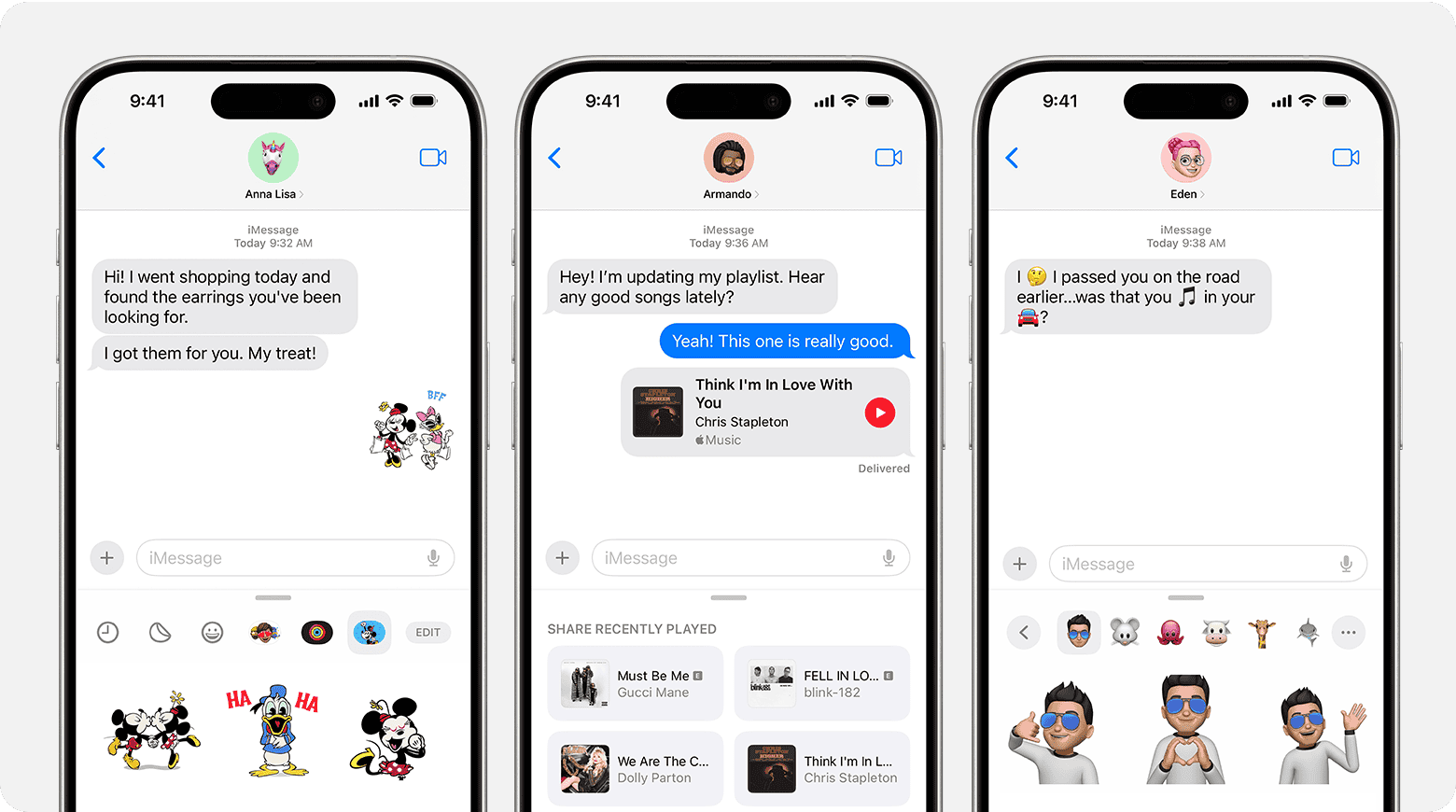
iMessage and MMS/SMS serve different functions. iMessage works only between Apple devices. Messages sent through iMessage appear as blue bubbles, while regular text messages and MMS appear as green bubbles.
iMessage requires an internet connection, either through Wi-Fi or cellular data. If your internet connection is poor, iMessages may not send. You can toggle it off in Settings -> Messages if issues arise.
MMS and SMS, used for sending photos and text messages to non-iPhone users (like Android), rely on cellular service. Ensure that the carrier supports MMS. If sending to another iPhone user, make sure both enable iMessage for smooth communication.
Understanding these differences helps troubleshoot effectively and ensures smooth messaging experiences.