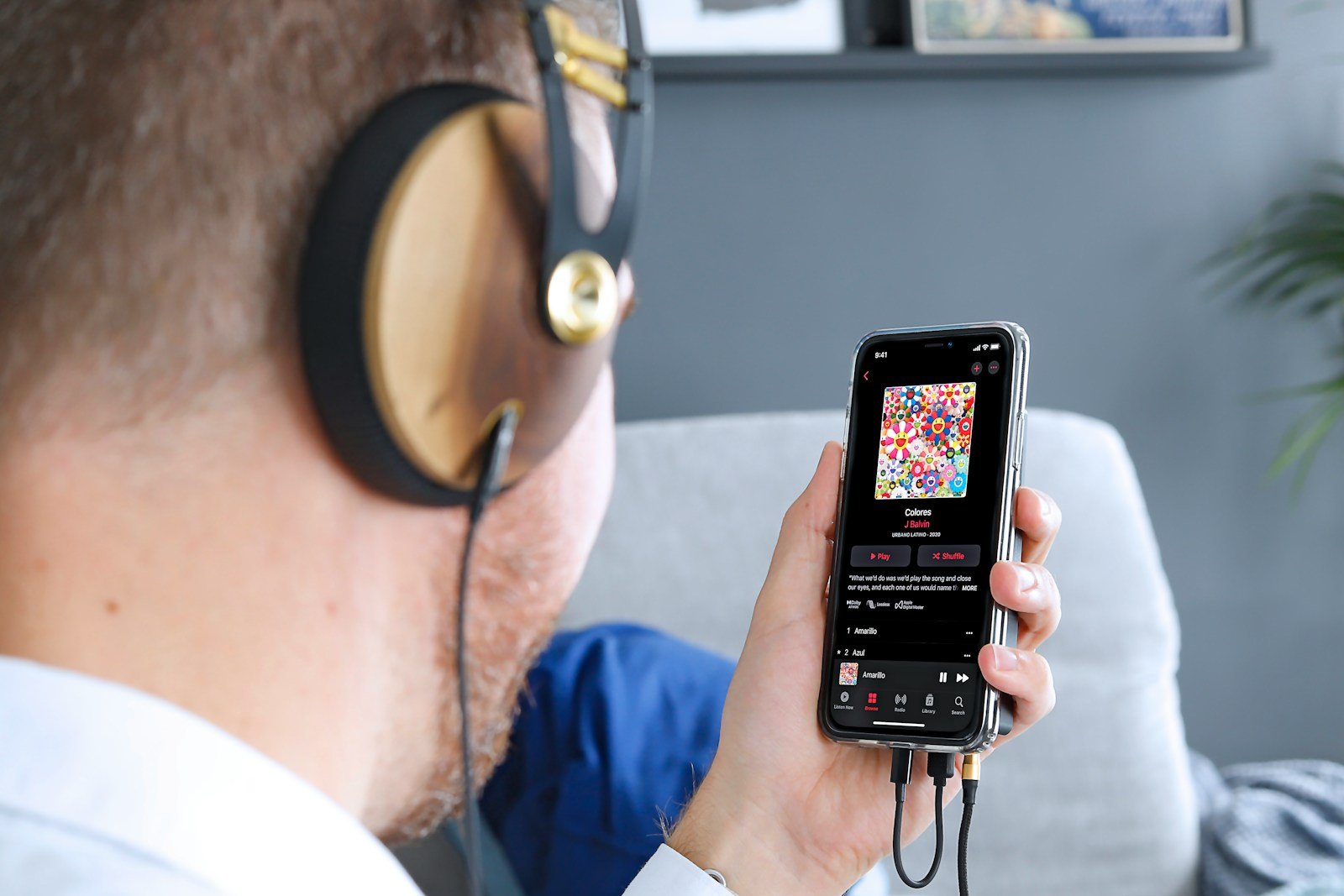
Spatial audio is an advanced type of audio technology that makes listening through headphones or speakers more immersive. Unlike traditional stereo sound, which limits the audio experience to two dimensions, spatial audio adds depth by simulating sounds from all directions. This creates an effect similar to being in a 3D space with the sound unfolding around you, above and below, not just at ear level.
This technology takes advantage of dynamic head tracking, meaning that the audio adapts in real-time to the movement of the user’s head, enhancing the feeling of being in the center of the action. Content creators from music artists to filmmakers are now able to craft auditory experiences that are more lifelike and engaging.
What Does Spatial Audio Mean?
Audio has come a long way from mono and stereo. Today, spatial audio (sometimes called 3D audio or immersive audio) is changing how we experience music, movies, and games — making it feel like sound is coming from all around you, not just from your headphones or speakers.
🔎 What Is Spatial Audio?
- Spatial audio is a sound technology that creates a 3D sound environment.
- Instead of sound coming only from the left or right (stereo), spatial audio makes it seem like it’s coming from above, behind, or all around you.
- It mimics how we naturally hear sounds in real life, giving audio depth, direction, and distance.
Think of it like the difference between watching a flat image and stepping into a virtual reality world — but for your ears.
🛠️ How Does Spatial Audio Work?
Spatial audio uses:
- Object-based sound
- Instead of locking sounds to specific channels (left/right), each sound (like a voice, instrument, or effect) is treated as an object placed in a 3D space.
- Head tracking (optional)
- Some systems (like Apple’s AirPods Pro/Max) track your head movement so the sound adjusts as you turn, making it feel anchored in space.
- Advanced algorithms
- Software processes sound waves to simulate how our ears detect direction and distance.
🎧 Where Can You Experience Spatial Audio?
- Music streaming: Apple Music, Tidal, Amazon Music offer spatial audio tracks.
- Movies & TV: Netflix, Disney+, Apple TV+, and other platforms support Dolby Atmos and spatial mixes.
- Gaming: PlayStation 5, Xbox Series X|S, and PC games use 3D audio for immersive gameplay.
- VR/AR: Virtual reality headsets rely heavily on spatial audio for realism.
📊 Spatial Audio vs. Stereo vs. Surround Sound
| Feature | Stereo | Surround Sound | Spatial Audio |
|---|---|---|---|
| Channels | 2 (left/right) | 5.1 / 7.1 channels | Object-based, unlimited positions |
| Directionality | Left / Right | Front, rear, side | Full 360° (above, below, behind) |
| Immersion | Moderate | High | Maximum (3D realism) |
👍 Benefits of Spatial Audio
- Immersive experience — feels like being inside the music or movie.
- Realistic sound cues — great for gaming (footsteps, gunfire direction).
- Better clarity — instruments and voices are separated in space.
- Future-ready — built for VR/AR and next-gen entertainment.
⚠️ Limitations
- Requires compatible hardware/software (not all headphones or apps support it).
- Quality depends on the mixing — some tracks are better produced than others.
- Can drain more battery on wireless devices.
✅ Bottom Line
Spatial audio is the next step in sound technology, creating a 3D, lifelike audio experience. Whether you’re listening to music, watching movies, or gaming, it makes sound feel more immersive and natural.
If you have compatible headphones or speakers, it’s worth trying — it can transform how you experience your favorite content.
Key Takeaways
- Spatial audio provides an immersive, 3D listening experience.
- It creates a sense of sound coming from various directions and heights.
- Adaptive head tracking technology enhances the realism of spatial audio.
Understanding Spatial Audio
Spatial audio gives listeners a three-dimensional sound experience. This technology is like being at a live concert or in the center of a movie scene. It’s different from traditional surround sound because it includes height channels, making sounds come from above and below as well.
Technical Overview and Formats
Spatial audio includes formats like Dolby Atmos, DTS, and Sony 360 Reality Audio. These technologies use advanced algorithms to place sounds in a 3D space. They can work with different setups, from simple headphones to advanced home theaters. Traditional 5.1 and 7.1 surround sound systems only offer horizontal sound direction, while spatial audio introduces vertical elements, adding depth to the audio experience.
Devices and Platforms
Many Apple devices support spatial audio, including AirPods, AirPods Pro, AirPods Max, iPhone, iPad, and Mac. Not just Apple, but products from Sony, Sonos, and Beats also offer this experience. You can find spatial audio on platforms such as Apple Music, Amazon Music, and Tidal. It’s important for devices to have Bluetooth capabilities and, for some features, built-in gyroscopes and accelerometers to track head movements.
Implementation in Media
In movies and video games, spatial audio creates immersive environments. It positions sounds to match on-screen action, enhancing the realism. It’s used in music streaming to bring out tiny details and give a live performance feel. You can hear it in action while playing games like “Call of Duty” or watching shows on Netflix.
User Experience
When you use spatial audio, your headphones or speakers can make sound seem to come from all directions, including above and below. Some devices, such as Apple’s AirPods Pro, use head tracking to keep the sound fixed in the space as your head moves. This creates a dynamic and immersive experience as if you were in the center of the action, whether you’re listening to a song, watching a movie, or playing a video game. Personalized spatial audio adapts to the shape of your ears, making the experience even more lifelike.