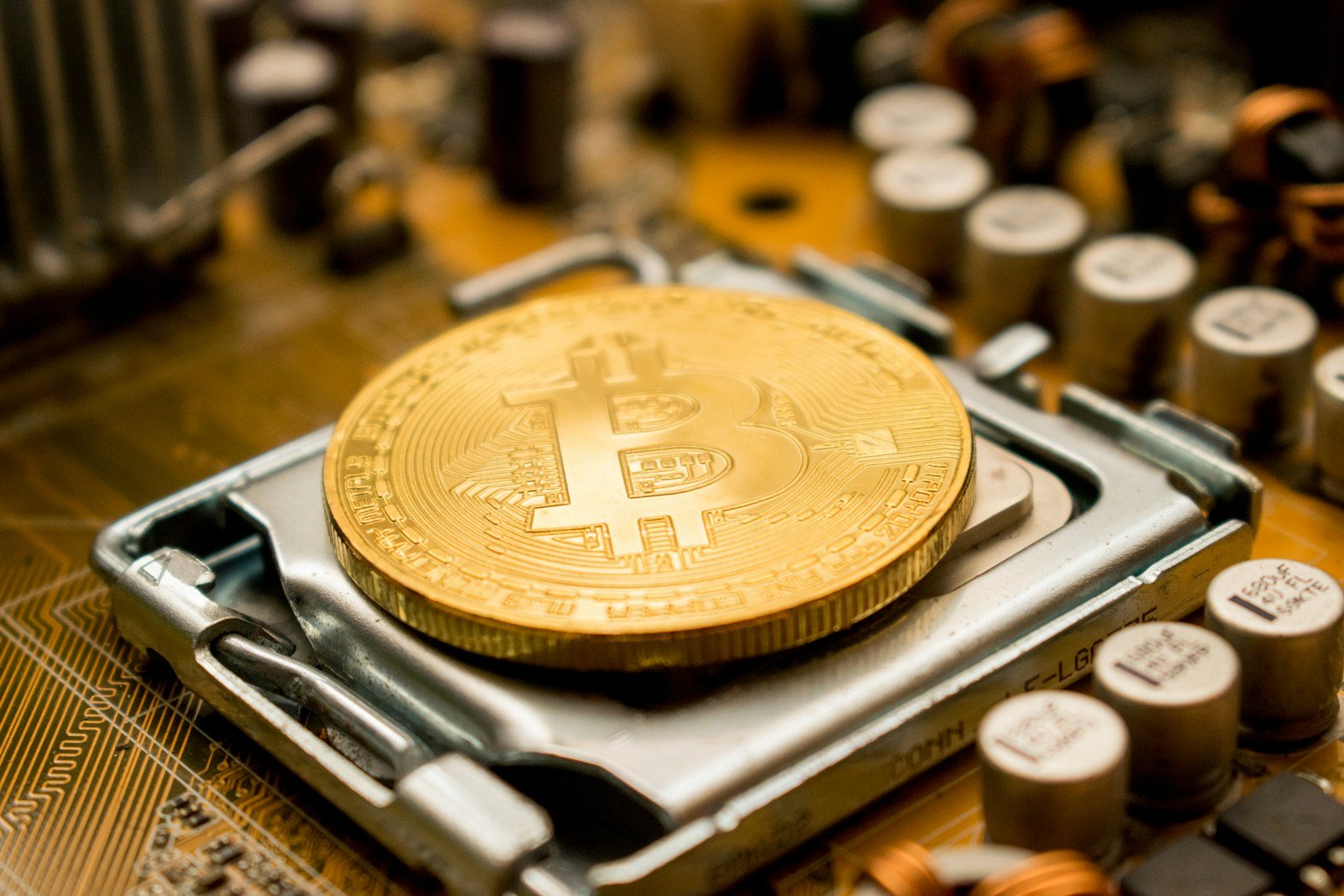
Mining for cryptocurrency has become a popular way to earn digital money from home. People use special computers called mining rigs to solve complex math problems and get rewards. Finding the best mining rig depends on your budget, technical skills, and which cryptocurrency you want to mine.
The world of crypto mining changes fast, with new hardware coming out all the time. Some miners want the most efficient Bitcoin miners like the Antminer S21 series, while others prefer cheaper options to start with. Power costs, hash rates, and upfront investment all matter when picking equipment.
1. Bitmain Antminer S21pro 234Th
The Bitmain Antminer S21pro stands out as a powerful Bitcoin mining device. This advanced miner delivers an impressive maximum hash rate of 234Th/s while using just 3510W of power.
What makes this miner special is its energy efficiency. The S21pro operates at approximately 15J/T efficiency, which helps miners keep electricity costs down while maximizing their mining profits.
The actual power consumption is slightly higher than advertised. According to real-world testing, it uses about 3531W of power, resulting in an energy efficiency of 15.09j/Th. This small difference won’t significantly impact most mining operations.
Price-wise, the S21pro is a serious investment. Miners can find these units starting around $3,600 when in stock, though prices may vary depending on availability and the seller.
This miner represents Bitmain’s commitment to pushing mining technology forward. The company continues to improve efficiency with each new model they release.
For serious Bitcoin miners, the S21pro offers a good balance of power and efficiency. Its high hash rate means more chances to mine Bitcoin blocks, while its improved efficiency helps control operating costs.
Setup and operation remain similar to previous Antminer models. This makes the transition easier for miners upgrading from older Bitmain equipment.
Heat management is important with any high-powered miner. The S21pro generates significant heat during operation and requires proper cooling solutions to maintain optimal performance.
2. Canaan Avalon Made A1366
The Canaan Avalon Made A1366 is a powerful Bitcoin mining machine that has gained popularity among crypto miners. It offers a maximum hashrate of 130Th/s while consuming 3250W of power.
This mining rig stands out for its energy efficiency rating of 25j/Th. This means it uses less electricity compared to many other miners while still delivering strong performance.
The A1366 is built specifically for SHA-256 algorithm mining, making it perfect for Bitcoin mining operations. Its design focuses on balancing power consumption with mining capability.
Noise levels are something to consider with this miner. The machine produces about 75db of noise during operation, which might be too loud for home mining setups. It’s better suited for dedicated mining spaces.
Price is another factor worth noting. The Avalon A1366 typically costs around $3,049, placing it in the mid-to-high range for mining equipment. The investment can make sense for serious miners looking for reliable hardware.
Some retailers list an upgraded version of this model that reaches 150Th/s hashrate with similar power consumption, offering even better efficiency. This shows Canaan’s commitment to improving their technology.
The manufacturer, Canaan, has established itself as a trusted name in the mining hardware industry. Their Avalon series continues to compete well against other brands in the market.
For miners looking to set up multiple units, the A1366 offers good scalability options. Its consistent performance helps create predictable mining operations, which is valuable for planning purposes.
Heat management is also key with this miner. Setting up proper cooling systems will help maintain optimal performance and extend the machine’s lifespan.
3. Bitmain Antminer S19 XP Hyd 255Th
The Bitmain Antminer S19 XP Hyd is a powerful Bitcoin mining machine that stands out in the cryptocurrency mining world. This model uses the SHA-256 algorithm to mine Bitcoin (BTC), Bitcoin Cash (BCH), and other compatible cryptocurrencies.
With a hashrate of 255 TH/s, this miner offers impressive performance for serious miners. The machine consumes about 5304W of power during operation, giving it an efficiency rating of approximately 20.8 J/T.
The “Hyd” in the name refers to its liquid cooling system. Unlike air-cooled miners, this hydro-cooled design helps manage heat more efficiently, which can extend the device’s lifespan and improve performance in various environments.
Price-wise, hosting services for this miner start around $2,313, which works out to about $9 per TH. For miners looking to maximize their investment, this cost-to-performance ratio is worth considering.
The S19 XP Hyd can be purchased directly or through various cryptocurrency mining equipment retailers. Some vendors offer it with a 2-4 week shipping time, which is important to factor into your mining plans.
Before investing, miners should use a profitability calculator to determine potential returns. These calculators help estimate earnings based on current crypto prices, network difficulty, and electricity costs.
This miner is best suited for professional operations rather than casual home miners due to its power requirements and heat output. The liquid cooling system needs proper setup and maintenance to function correctly.
Second-hand options are sometimes available on marketplaces like eBay, which might offer more budget-friendly entry points for this high-end mining hardware.
4. MicroBT Whatsminer M50S
The MicroBT Whatsminer M50S is a powerful Bitcoin mining machine that stands out in the cryptocurrency mining world. It offers a maximum hashrate of 126Th/s while using 3276W of power. This impressive performance makes it a top choice for serious miners.
The device runs on the SHA-256 algorithm, which is used for Bitcoin mining. Its energy efficiency rating is 26 joules per terahash, showing good balance between power use and mining capability.
Price-wise, the M50S can be found for around $1,285 when in stock. This price point puts it in the mid-range for professional mining equipment, offering good value for its performance.
The M50S uses advanced 7nm ASIC chip technology to achieve its high hashrate and energy efficiency. The design features a sturdy aluminum construction that helps with heat management during intense mining operations.
Daily earnings with this mining rig can reach approximately $5.83 depending on current Bitcoin prices and mining difficulty. This potential return helps miners recover their investment over time.
Some models of the M50S may have slightly different specifications. For example, some versions are listed with a 112TH/s hashrate while maintaining the same power consumption of 3276W.
Setting up the M50S requires proper cooling and ventilation. The machine generates significant heat during operation, so miners need to plan their setup accordingly.
For home miners, the noise and power requirements should be considered before purchase. The M50S works best in dedicated mining spaces rather than residential areas due to its operational characteristics.
The manufacturer, MicroBT, has built a solid reputation in the mining hardware industry. Their Whatsminer series continues to be popular among both individual miners and mining farms looking for reliable equipment.
5. Goldshell KD6 25.3Th
The Goldshell KD6-SE is a powerful mining rig specifically designed for Kadena (KDA) cryptocurrency mining. This machine offers solid performance for serious miners looking to add KDA coins to their portfolio.
The KD6-SE delivers a maximum hashrate of 25.3Th/s while using 2300W of power. Its energy efficiency comes in at 0.091j/Gh, making it slightly more efficient than some competing models.
Miners will appreciate the straightforward setup process of this rig. It comes ready to use with minimal configuration needed, allowing for quick deployment and faster returns on investment.
For those comparing models, the standard Goldshell KD6 offers 29.2Th/s with a power consumption of 2560W. The SE version trades a bit of processing power for better energy efficiency, which can matter in locations with higher electricity costs.
The KD6-SE uses the Blake2S algorithm for mining, which is specifically optimized for Kadena. This specialization means you’ll get the best results when mining KDA rather than splitting resources across multiple coins.
Noise levels remain manageable for a miner of this class, though proper ventilation is still important. The heat output requires good airflow to maintain optimal performance.
Many miners can find the KD6-SE available through online retailers and specialized ASIC marketplaces. Prices will vary based on availability and market conditions.
Durability stands out as a key feature, with the unit built to handle continuous operation. The components are designed for the high demands of constant mining operations.
For those starting with Kadena mining, the KD6-SE offers a good entry point with its balance of performance and energy use. The 25.3Th hashrate provides steady mining capability without excessive power demands.
Setup requires a stable internet connection, proper power supply, and adequate cooling. Once these basics are covered, the miner can run with minimal supervision.
6. Innosilicon A11 Pro ETH 1500Mh
The Innosilicon A11 Pro ETH stands out as a powerful option for serious Ethereum miners. This mining rig delivers an impressive maximum hashrate of 1.5Gh/s while consuming 2350W of power.
Released in November 2021, the A11 Pro combines high performance with reasonable efficiency. It achieves an energy efficiency rating of 1.567j/Mh, making it competitive among similar mining rigs.
One practical advantage of this miner is its noise level. At 75db, it runs quieter than many competitors, making it suitable for professional environments. The cooling system uses four fans to maintain optimal operating temperatures.
The A11 Pro is also known as the “A11 Pro ETHMiner 8G 1500Mh” in some markets. This naming refers to its 8GB memory configuration, which is essential for mining the EtHash algorithm used by Ethereum.
Price points for this miner vary based on availability and market conditions. Current market prices show it selling for around $1,633 or €1,500 when in stock from reputable dealers.
The power requirements deserve careful consideration for anyone planning to add this to their mining setup. At 2350W, miners need to ensure their electrical system can handle the load safely and efficiently.
For miners focused specifically on Ethereum, the A11 Pro represents a specialized tool designed for that purpose. It’s built to run the EtHash algorithm efficiently, which makes it well-suited for ETH mining operations.
Setup is relatively straightforward for those familiar with mining equipment. The unit comes ready to connect to mining pools with minimal configuration needed to get started.
Return on investment will depend on electricity costs, Ethereum prices, and network difficulty. Miners should calculate their potential profits based on their specific operating conditions before investing.
7. AvalonMiner 1246
The AvalonMiner 1246 is a Bitcoin mining rig made by Canaan that was released in 2021. It offers a hashrate of 90 TH/s while using 3420W of power. This gives it an energy efficiency rating of 0.038 J/GH, which is decent for its generation of miners.
Price-wise, the AvalonMiner 1246 can be found for around $439 at some retailers, though prices vary. On secondary markets like eBay, used units have been listed for about $505, which is still lower than many newer models.
For profits, this miner can earn roughly $4.21 per day mining Bitcoin, though this changes with Bitcoin’s price and network difficulty. Keep in mind that electricity costs will eat into these earnings.
Unlike Bitmain Antminers, the AvalonMiner doesn’t support custom firmware for undervolting, which limits optimization options. This means you’ll be stuck with the factory settings for power consumption.
The miner uses the SHA-256 algorithm, making it suitable for Bitcoin mining and other compatible cryptocurrencies. It’s known to be fairly reliable, which is important for mining operations where downtime means lost income.
For home miners, the noise and heat output should be considered. Like most ASIC miners, it runs hot and loud, requiring good ventilation or a dedicated space.
When compared to other miners in its class, the AvalonMiner 1246 sits in the middle range – not the most powerful or efficient, but still capable of turning a profit under the right conditions.
8. iPollo V1 Mini Classic Plus
The iPollo V1 Mini Classic Plus is a compact yet powerful mining device that has gained popularity among cryptocurrency miners. This small unit packs a punch with its 280Mh/s maximum hashrate while consuming only 270W of power.
One of the standout features of this miner is its excellent energy efficiency. At just 0.964j/Mh, it helps keep electricity costs down while maintaining good mining performance. This balance makes it appealing for miners concerned about power consumption.
The physical design is surprisingly compact. The unit measures only 148 x 158 x 78mm and weighs just 1Kg, making it easy to fit into small mining setups. This tiny footprint doesn’t compromise its cooling capability.
Noise levels are relatively manageable at around 55db, which is quieter than many competing mining rigs. This makes the V1 Mini Classic Plus suitable for home use where noise might be a concern.
Setting up the device is straightforward, especially with the WiFi version. Many users report being able to start mining right away with minimal technical knowledge required. The user-friendly interface makes it accessible to beginners.
The V1 Mini Classic Plus is primarily designed for mining Ethereum Classic (ETC) and supports various other coins. Miners can check specific profitability calculations for different cryptocurrencies to maximize their returns.
Released in June 2022, this miner has established a solid reputation in the mining community. Its balance of size, power, and efficiency has made it a popular choice for both beginners and experienced miners.
iPollo, the company behind this miner, is a supercomputer equipment designer with headquarters in Singapore. They’ve built R&D and marketing centers across multiple locations including Hong Kong and Shanghai.
9. Iceriver KS3 8.3Th
The Iceriver KS3 is a powerful mining rig designed specifically for KHeavyHash algorithm mining. It offers an impressive hashrate of 8Th/s with a power consumption of approximately 3200W.
This mining rig has gained popularity among crypto enthusiasts looking to mine coins that use the KHeavyHash algorithm. The KS3 can mine 2 different cryptocurrencies, giving miners some flexibility in their operations.
Energy efficiency is an important factor for any mining rig. The KS3 has an efficiency rating of 0.384j/Gh, which helps keep power costs manageable while maintaining strong performance.
Price is always a consideration for miners. The KS3 typically sells for between $8,200 and $17,260 depending on availability and market conditions. Some retailers offer better pricing for bulk purchases.
Before buying, miners should run profitability calculations. Several online tools can help estimate potential earnings based on current market conditions and electricity costs. This step is crucial for making an informed decision.
Setup is fairly straightforward for those familiar with ASIC miners. The unit requires proper cooling and ventilation due to its power consumption and heat output. A stable internet connection and power supply are essential for optimal operation.
The build quality of the Iceriver KS3 is solid, designed to handle continuous operation in mining environments. Proper maintenance can extend the lifespan of this mining equipment.
For serious miners focused on KHeavyHash algorithms, the Iceriver KS3 represents a substantial investment with competitive performance metrics. Its specialized nature makes it particularly suitable for those targeting specific cryptocurrencies rather than general mining operations.
10. Goldshell HS Lite Plus
The Goldshell HS Lite Plus is a compact yet powerful mining rig that’s great for home miners. It’s designed to mine HNS (Handshake) and SC (Siacoin) cryptocurrencies with impressive efficiency.
This miner offers a hashrate of about 1360 GH/s for HNS mining, making it quite capable for its size and power consumption. The Goldshell HS LITE stands out in the Lite series, which targets intermediate users looking for more mining power without the complexity of professional setups.
One of the best features of the HS Lite Plus is how quiet it runs. Unlike many mining rigs that sound like jet engines, this one keeps noise levels manageable for home use. Many users are surprised by how quiet these miners operate while still delivering solid performance.
The unit is part of Goldshell’s lineup of home-friendly crypto mining equipment. It fits nicely between entry-level options and the more powerful Professional series miners.
Setup is straightforward enough for most people with basic technical knowledge. The interface is user-friendly, making it accessible for miners who aren’t tech experts but want to step up from the most basic units.
Power efficiency is another strong point. The HS Lite Plus consumes less electricity than many comparable miners, which helps keep operating costs down. This matters a lot since electricity costs can make or break mining profitability.
The build quality is solid, with good heat management systems that help extend the life of the equipment. Proper cooling is essential for mining rigs, and Goldshell has addressed this well in their design.
For those wanting to compare options, Goldshell offers a helpful comparison tool on their website. This lets potential buyers see exactly how the HS Lite Plus stacks up against other models before making a decision.
Price-wise, it sits in the mid-range category, offering good value for the performance. The initial investment can typically be recovered within a reasonable timeframe, depending on cryptocurrency prices and electricity costs.
The company has also announced a rewards program called Goldshell Points System, which might offer additional benefits to loyal customers who purchase miners like the HS Lite Plus.
Understanding Mining Rigs
Mining rigs are specialized computer systems designed for cryptocurrency mining. They come in various forms and configurations, each with different capabilities and power requirements.
What Is a Mining Rig?
A mining rig is a computer system built specifically for mining cryptocurrencies. Unlike regular computers, these rigs are optimized for solving complex mathematical problems that validate blockchain transactions.
Mining rigs come in several types:
- CPU miners: Basic setups using computer processors
- GPU miners: Systems with multiple graphics cards
- ASIC miners: Application-Specific Integrated Circuits designed exclusively for mining
- FPGA miners: Field-Programmable Gate Arrays that offer some customization
The best mining rigs vary based on what you want to mine. For Bitcoin, ASIC miners are now standard due to their superior hashing power. For other cryptocurrencies, GPU rigs might work better.
Modern Bitcoin mining requires significant investment. The Bitmain Antminer S21 Hyd 335T currently offers the best profitability, followed by Canaan Avalon Made A1266.
How Do Mining Rigs Work?
Mining rigs work by solving complex mathematical problems (hash functions) that verify cryptocurrency transactions and add them to the blockchain. The process requires significant computational power and electricity.
Here’s the basic process:
- The rig collects pending transactions from the network
- It bundles these into a “block”
- It computes millions of calculations to find a solution to the cryptographic puzzle
- When solved, the block is added to the blockchain
- The miner receives cryptocurrency rewards
Efficiency is critical for mining success. This is measured by the hash rate (computing power) compared to power consumption. Better mining rig efficiency means more profit.
When setting up a rig, you’ll need to consider:
- Hardware costs: Initial investment in equipment
- Electricity expenses: Ongoing operational costs
- Cooling requirements: Preventing overheating
- Noise levels: ASIC miners can be extremely loud
Mining difficulty increases over time, requiring ever more powerful equipment to stay profitable.
Choosing the Right Components
Building a successful mining rig requires careful selection of hardware that balances performance, efficiency, and cost. The right components can significantly impact your mining profitability and longevity.
Essential Hardware Components
When building a mining rig, you’ll need several core components working together. The motherboard serves as the foundation for your entire system, with models supporting multiple GPUs being ideal for mining operations.
RAM requirements are modest for most mining operations – 8GB is typically sufficient. Don’t overspend here, as mining doesn’t need high-end memory.
A reliable power supply unit (PSU) is crucial. Look for:
- Gold or Platinum efficiency ratings
- Sufficient wattage (calculate total system needs plus 20%)
- Quality brands with good warranties
For storage, a simple 120GB SSD works well for the operating system and mining software. Avoid expensive large-capacity drives as they won’t improve mining performance.
The frame or chassis might seem secondary, but proper component spacing prevents overheating. Open-air frames with good ventilation are preferred over traditional PC cases.
Selecting the Best Graphics Card
Graphics cards are the workhorses of most mining operations. When choosing GPUs, focus on hash rate and energy efficiency rather than just raw power.
Different cryptocurrencies favor different GPU architectures. For example:
- Ethereum Classic: AMD cards often excel
- Ravencoin: NVIDIA cards typically perform better
- Monero: CPU mining can be viable
Consider the memory size and type. Many mining algorithms are memory-intensive, making cards with 8GB+ VRAM preferable. GDDR6 memory offers better performance than older GDDR5.
Evaluate the cost-to-performance ratio by calculating potential earnings against purchase price and power consumption. Sometimes mid-range cards offer better ROI than flagship models.
Pay attention to card reliability and cooling design. Mining puts GPUs under constant stress, so robust cooling systems and quality components extend their operational lifespan.
Importance of Efficient Cooling Systems
Effective cooling is vital for mining rig longevity and stable operation. Mining hardware generates significant heat during continuous operation, and overheating can damage components or cause system crashes.
For GPU cooling, consider:
- Adjusting fan curves for optimal temperature management
- Replacing thermal paste on older cards
- Installing additional fans on cards with inadequate cooling
Room ventilation matters tremendously. A hot room means less efficient cooling for all components. Consider:
- Dedicated air conditioning for larger operations
- Strategic placement of intake and exhaust fans
- Keeping rigs away from walls to prevent heat buildup
Ambient temperature monitoring helps prevent problems before they occur. Simple temperature sensors connected to automatic shutdown systems can save expensive hardware during cooling failures.
Remember that cooling systems themselves consume electricity. Balance cooling effectiveness against power consumption to maintain optimal mining efficiency.
Frequently Asked Questions
Mining cryptocurrencies comes with many questions for beginners and experienced miners alike. Here are answers to some common questions about mining rigs and the mining process.
What factors should I consider when choosing a mining rig for my home setup?
When selecting a mining rig for your home, electricity costs should be your first consideration. Different rigs consume varying amounts of power, which directly impacts your profitability.
Noise level is another key factor. Many mining machines like the Bitmain Antminer series can be quite loud, making them difficult to place in living spaces.
Heat output matters too. Mining rigs generate significant heat, so proper ventilation and cooling are essential to prevent overheating and damage.
Your available space will determine what size rig works best. Options range from 1 GPU up to 24 GPU configurations, depending on your space constraints and mining goals.
How do I start crypto mining as a beginner and what equipment is needed?
For beginners, start with understanding the basic components needed. A mining rig typically requires GPUs (for Ethereum and other coins) or ASIC miners (for Bitcoin), a motherboard, power supply, and cooling system.
A reliable internet connection is necessary for connecting to mining pools. Most mining doesn’t require extremely fast speeds, but stability is crucial.
Consider joining a mining pool rather than solo mining. This provides more consistent, though smaller, rewards as you learn the process.
Start with user-friendly mining software that matches your hardware. Programs like NiceHash are good for beginners as they automatically switch to the most profitable coins.
Which are the top recommended ASIC miners for efficiency and reliability?
The Bitmain Antminer S21pro 234Th stands out for its excellent hash rate and improved energy efficiency compared to previous models.
The Canaan Avalon Made A1366 offers reliable performance and moderately good efficiency, making it a solid choice for miners seeking balance between cost and output.
For those with access to water cooling, the Bitmain Antminer S19 XP Hyd 255Th provides exceptional performance with reduced heat issues through its hydro cooling system.
The MicroBT Whatsminer M50S delivers competitive hash rates with good efficiency metrics, establishing itself as a dependable option in the ASIC market.
How much time does it typically take to mine one Bitcoin with current technology?
Mining a full Bitcoin independently is nearly impossible for individual miners today. With current difficulty levels, a single ASIC miner would take decades to mine one Bitcoin.
This is why most miners join mining pools, where rewards are shared based on contributed computing power. Even in pools, earnings are typically measured in small fractions of Bitcoin.
The time to mine varies constantly as network difficulty adjusts approximately every two weeks in response to total network hash rate changes.
Which cryptocurrencies are the most profitable to mine right now?
Profitability changes daily based on coin prices, network difficulty, and electricity costs. Bitcoin remains profitable for those with access to low-cost electricity and efficient ASIC hardware like the Goldshell KD6.
Some altcoins can be more profitable for GPU miners. Coins like Ethereum Classic, Ravencoin, and Ergo often provide good returns with less competition than Bitcoin.
Mining calculator websites can help determine which coins are most profitable for your specific hardware and electricity costs. These tools factor in current difficulty and coin prices.
Remember that mining profitability is a moving target. What’s profitable today might not be tomorrow due to market volatility and difficulty adjustments.
What are the latest advancements in mining hardware to look out for?
Immersion cooling technology is becoming more mainstream, allowing miners to run equipment at higher speeds while reducing wear and tear on components.
More efficient chips are constantly being developed. The latest ASIC miners use 5nm chip technology, which offers better performance with lower power consumption.
Solar-powered mining rigs are gaining popularity as miners seek to reduce electricity costs and environmental impact. These setups can significantly improve long-term profitability.
Smart power management systems that automatically adjust operations based on electricity prices and network difficulty are becoming essential features in modern mining setups.