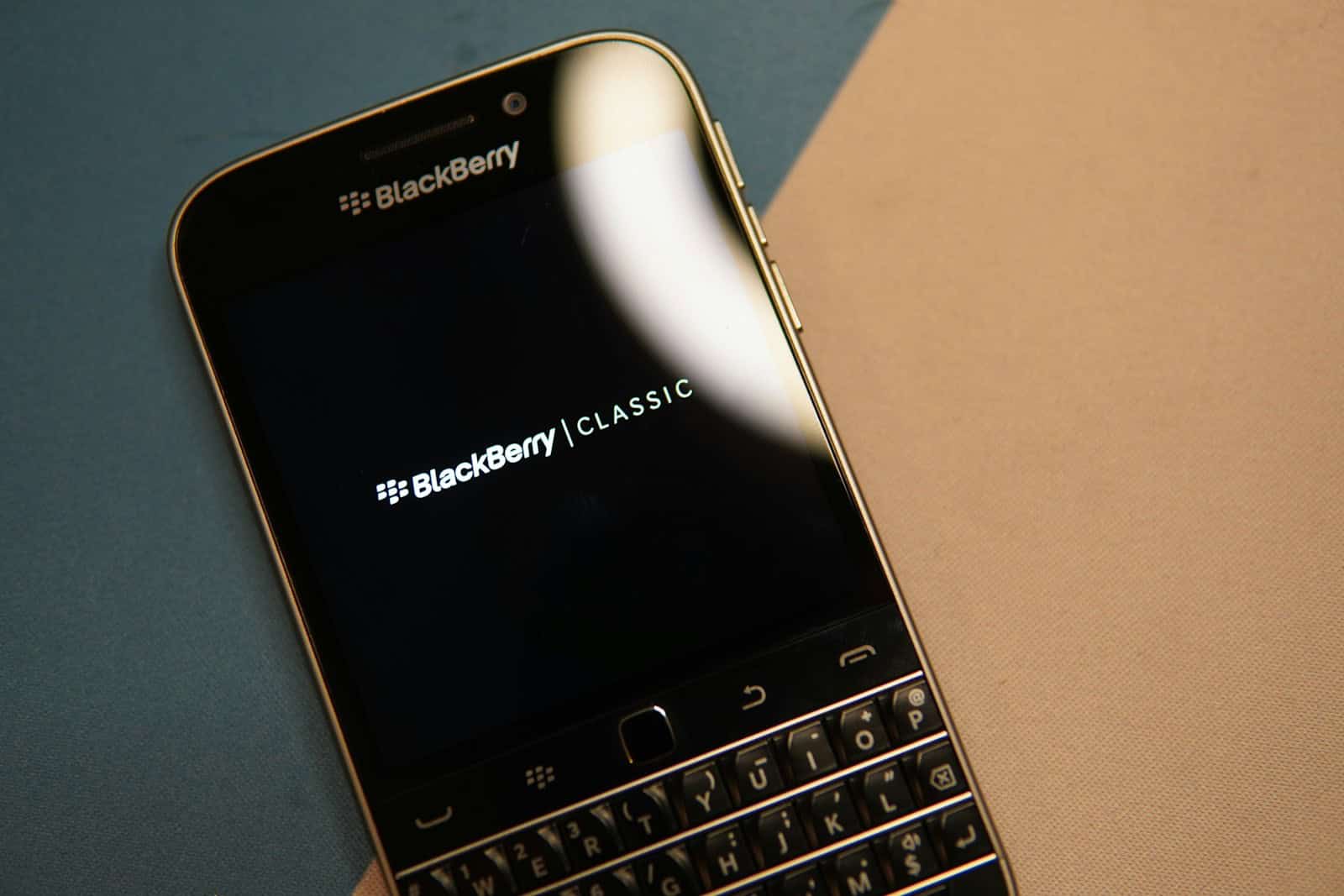
BlackBerry was once synonymous with professional mobile devices. Endorsed by business leaders and government officials, these phones were known for their security and efficient email services. However, their market share encountered a significant decline as competitors introduced more advanced touchscreen devices.
The shift in consumer preferences to smartphones with larger screens and app ecosystems created a challenge for BlackBerry. Despite an attempt to pivot by adopting the Android operating system and focusing on enterprise services, BlackBerry’s devices were overshadowed.
What Happened to BlackBerry Phones: The Rise and Fall of an Icon
1. The Birth of a Revolutionary Brand
BlackBerry began as Research In Motion (RIM), a Canadian tech company founded in 1984 by Mike Lazaridis and Douglas Fregin. Initially focused on wireless communication systems, RIM launched the first BlackBerry device in 1999, which allowed users to send and receive secure emails on the go — a groundbreaking innovation at the time (source: Harvard Business Impact Education).
The company’s early success came from its enterprise-focused design. BlackBerry devices featured:
- A physical QWERTY keyboard for fast, accurate typing
- Push email technology, enabling instant message delivery
- Unmatched security, making them the go-to devices for governments and corporations
By the mid-2000s, BlackBerry had become the status symbol of professionals, politicians, and celebrities alike. Barack Obama famously refused to give up his BlackBerry when he became U.S. President.
2. The Golden Era
From 2003 to 2010, BlackBerry dominated the smartphone market. At its peak in 2007, RIM’s market capitalization exceeded $60 billion, and it controlled nearly 50% of the U.S. smartphone market (source: UNILAD).
The company’s strengths included:
- Reliability and security unmatched by competitors
- BBM (BlackBerry Messenger), one of the first instant messaging platforms for mobile devices
- Battery longevity and durable hardware
For a time, owning a BlackBerry was synonymous with success and productivity.
3. The Fall Begins: The iPhone and Android Revolution
The turning point came in 2007, when Apple introduced the iPhone, followed by the rise of Android smartphones. These new devices emphasized:
- Touchscreen interfaces
- App ecosystems (App Store and Google Play)
- Multimedia capabilities
BlackBerry underestimated this shift. The company continued to prioritize its physical keyboard and enterprise customers, failing to adapt quickly to the consumer-driven smartphone revolution (source: XatakaOn).
By the early 2010s:
- BlackBerry’s market share plummeted
- Developers abandoned its BlackBerry OS platform
- Consumers flocked to iPhones and Android devices
4. Attempts to Recover
Facing collapse, BlackBerry made several attempts to regain relevance:
- BlackBerry 10 OS (2013): A modern, gesture-based operating system that came too late.
- Partnership with Android (2015): Devices like the BlackBerry Priv combined Android’s flexibility with BlackBerry’s security.
- Licensing the brand: BlackBerry stopped making phones itself in 2016, licensing its name to TCL Communication and later other manufacturers.
Despite these efforts, none of the new devices achieved significant market traction (source: News Crunch).
5. The End of BlackBerry Phones
In 2022, BlackBerry officially ended support for its legacy smartphone services, marking the symbolic end of an era. Devices running BlackBerry OS could no longer make calls or send messages reliably.
Today, BlackBerry Limited has reinvented itself as a cybersecurity and software company, focusing on enterprise security, automotive software, and the Internet of Things (IoT) — far removed from its smartphone roots.
6. Legacy and Lessons
BlackBerry’s story is a powerful case study in innovation and disruption:
- It created the foundation for modern mobile communication.
- Its failure to adapt to changing consumer expectations led to its downfall.
- It remains a symbol of how quickly technological dominance can fade.
As one tech analyst put it, “BlackBerry didn’t just lose the smartphone war — it defined what it means to fall behind in the digital age.” (source: TickerHistory)
📘 Summary
| Era | Key Event | Impact |
|---|---|---|
| 1999–2007 | Rise of BlackBerry | Dominated business communication |
| 2007–2013 | iPhone & Android emerge | Rapid market decline |
| 2013–2016 | Failed reinvention efforts | Loss of relevance |
| 2016–Present | Shift to software & cybersecurity | End of phone production |
In short:
BlackBerry phones didn’t die overnight — they were overtaken by a wave of innovation they helped inspire. Today, BlackBerry lives on not as a smartphone maker, but as a symbol of both technological brilliance and the cost of failing to evolve.
Key Takeaways
- BlackBerry was a leader in secure mobile communication.
- The company struggled to adapt to the touchscreen and app revolution.
- BlackBerry’s pivot to Android was not enough to regain its market position.
Evolution of BlackBerry Phones
BlackBerry was a global leader in mobile technology. The company that started as Research In Motion introduced phones that businesses and individuals loved. They made a big impact in the tech world, changing how people communicate.
Rise and Dominance in the Mobile Market
BlackBerry, known for its secure email and physical keyboard, made its mark in the early 2000s. It was the go-to device for professionals. The brand became a symbol of status and productivity. Its peak saw market share reach great heights. BlackBerry’s proprietary operating system set the standard for business communication.
Shift from BlackBerry OS to Android
As the market evolved, BlackBerry faced tough competitors like Apple’s iPhone and Samsung smartphones. They introduced touchscreen designs and new apps. BlackBerry launched BlackBerry 10 in an attempt to regain its position. But later, they shifted to Android with the Priv model. This move aimed at keeping the familiar BlackBerry security while offering a wider range of apps and features.
Decline in Popularity and Market Share
Despite the shift to Android, BlackBerry struggled to keep up with the fast-paced mobile market. The rise of 5G and constant tech advances by its competitors made it hard for BlackBerry to maintain its user base. Market share fell sharply as consumers and businesses moved to more modern devices with advanced features. Eventually, BlackBerry stopped making phones and focused on software and security services instead.