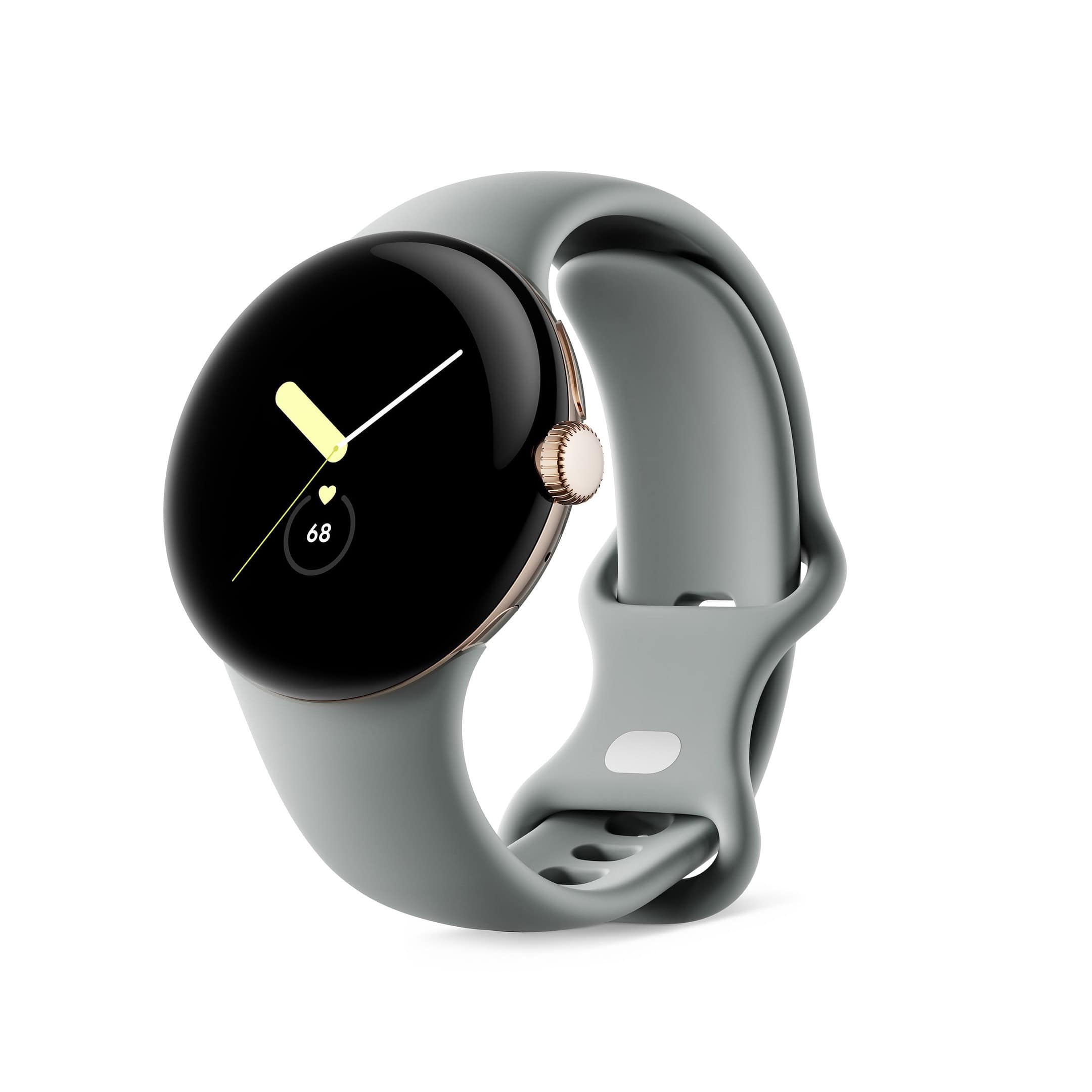
Smartwatches are more than just timekeepers. They have become compact companions, capable of a wide range of tasks such as monitoring health, managing notifications, and even replacing wallets with contactless payments. As technology has advanced, the versatility and convenience of smartwatches have sparked a debate about their value. People are asking if these wearable devices are worth the investment.
Choosing a smartwatch is not merely about picking a gadget. It’s about selecting an extension of one’s personal tech ecosystem. A smartwatch should align with the user’s phone operating system for seamless integration. It should also cater to specific preferences and needs, such as fitness tracking, navigation, or communication abilities. Budget plays a role, but the final decision should also be guided by evaluating the features and performance of the device.
Are Smart Watches Worth It?
Smartwatches have evolved far beyond simple step counters. In 2025, they function as health monitors, productivity tools, payment devices, and even mini-smartphones. But with prices ranging from $50 to over $1,000, the big question remains: Are they worth the investment?
This guide breaks down the costs, benefits, and drawbacks to help you decide whether a smartwatch is right for you.
The Benefits of Owning a Smartwatch
1. Health & Fitness Tracking
- Heart rate monitoring, ECG, SpO₂, sleep tracking, and stress monitoring are now standard in most mid-range models.
- Advanced watches (like Apple Watch Ultra 2 and Samsung Galaxy Watch 7) include blood pressure monitoring, body composition analysis, and fall detection.
- Fitness enthusiasts benefit from GPS tracking, workout coaching, and recovery insights.
Value: Can replace a separate fitness tracker ($100–$200) and sometimes even medical devices.
2. Convenience & Productivity
- Notifications on your wrist: Calls, texts, emails, and app alerts without pulling out your phone.
- Voice assistants (Siri, Google Assistant, Alexa) for quick commands.
- Calendar reminders, timers, and alarms help manage daily routines.
- Some models support standalone LTE, letting you leave your phone at home.
Value: Saves time and reduces phone dependency.
3. Safety & Emergency Features
- Fall detection automatically alerts emergency contacts.
- SOS calling works even without your phone (on LTE-enabled models).
- Location sharing for family safety.
Value: Especially useful for seniors, runners, and people with health concerns.
4. Payments & Smart Home Control
- Contactless payments via Apple Pay, Google Wallet, or Samsung Pay.
- Control smart home devices (lights, locks, thermostats) directly from your wrist.
Value: Replaces carrying a wallet or phone for quick transactions.
5. Style & Customization
- Interchangeable bands and customizable watch faces.
- Doubles as a fashion accessory.
Value: Adds personal expression beyond functionality.
The Costs of Smartwatches
1. Purchase Price
- Budget models: $50–$150 (basic fitness features, limited apps).
- Mid-range models: $200–$400 (health tracking, GPS, payments, premium build).
- High-end models: $500–$1,200 (LTE, advanced health sensors, rugged designs).
2. Maintenance Costs
- Battery replacement (after ~3–5 years): $50–$100.
- Bands and accessories: $20–$100+.
- Repairs: Screen or water damage can cost $100–$250.
3. Short Lifespan Compared to Traditional Watches
- Traditional watches can last decades.
- Smartwatches typically last 3–6 years before hardware or software support ends.
4. Battery Life Limitations
- Most smartwatches last 1–2 days per charge.
- Some fitness-focused models (Garmin, Amazfit) last 1–2 weeks, but with fewer smart features.
Who Should Buy a Smartwatch?
✅ Great Investment For:
- Fitness enthusiasts and athletes.
- Busy professionals who rely on notifications.
- People with health concerns (heart monitoring, fall detection).
- Tech enthusiasts who want the latest gadgets.
❌ Not Worth It For:
- Those who only need basic timekeeping.
- People who don’t want another device to charge daily.
- Users who prefer long-lasting traditional watches.
- Budget-conscious buyers who won’t use advanced features.
Cost-Benefit Summary Table
| Category | Benefits | Costs | Worth It? |
|---|---|---|---|
| Health & Fitness | Advanced health tracking, workout coaching, emergency alerts | Higher upfront cost | Yes, for health-conscious users |
| Productivity | Notifications, reminders, voice assistants, LTE | Battery life limitations | Yes, for professionals |
| Safety | Fall detection, SOS, GPS tracking | Requires LTE plan for full features | Yes, for seniors & solo travelers |
| Payments & Smart Home | Contactless payments, device control | Limited in some regions | Yes, if you use digital wallets |
| Style | Customizable, fashionable | Shorter lifespan than traditional watches | Yes, if you value fashion + function |
Final Verdict
Smartwatches are worth it in 2025 if you’ll actively use their health, productivity, and safety features. They provide real value for fitness enthusiasts, professionals, and people concerned about health monitoring.
However, if you only want a device to tell time or dislike frequent charging, a traditional watch or fitness band may be a better investment.
👉 Best Value in 2025:
- Apple Watch Series 10 / Ultra 2 (iOS users)
- Samsung Galaxy Watch 7 (Android users)
- Garmin Venu 3 (fitness-focused users)
Key Takeaways
- Smartwatches offer a range of functionalities beyond showing time.
- They should complement the user’s primary tech devices and lifestyle needs.
- The value of a smartwatch stems from its features and how well it performs key functions.
Evaluating Smartwatch Features and Performance
Smartwatches offer various features that appeal to different needs, from health tracking to smartphone integration. Understanding these features can help you decide if a smartwatch suits your lifestyle.
Operating System and App Ecosystem
The operating system of a smartwatch defines its functionality and the types of apps it can run. Apple’s watchOS and Google’s Wear OS dominate the market. They provide rich ecosystems with plenty of apps. For example, Apple Watch users can access Siri and the App Store. Samsung and Fitbit devices offer distinct experiences tailored to their devices, ensuring compatibility and optimized performance.
Health and Fitness Tracking Capabilities
Today’s smartwatches come equipped with a range of health and fitness features. They include heart rate monitoring, sleep tracking, and step counting. High-end models like the Apple Watch Series 9 and Fitbit Versa 4 offer more advanced sensors for ECG, blood oxygen levels, and even temperature sensing. These devices can be a big help for fitness enthusiasts and those monitoring their health.
Connectivity and Integration with Smartphones
Smartwatches shine when they connect to a smartphone. This allows the user to receive notifications, send messages, and make phone calls right from their wrist. The pairing process varies based on the phone and watch OS, but Bluetooth and sometimes LTE are standard options for keeping the devices in sync. Whether it’s an iPhone with an Apple Watch or an Android phone with a Samsung Galaxy Watch, integration is key to a seamless experience.
Battery Life and Charging Considerations
Battery life is a crucial factor in the performance of smartwatches. Most devices last about a day or more before needing a charge. Features like brighter displays or LTE connectivity can drain the battery faster. When it comes to charging, some watches use wireless docks, while others have unique connectors or magnetic chargers, affecting the ease of recharging them daily.
Display and Design Aesthetics
Displays on smartwatches vary widely. OLED and AMOLED screens are common for their bright, clear visuals. When it comes to design, the market offers everything from sporty to elegant looks. Materials range from durable aluminum and stainless steel to high-end titanium cases. The choice depends on personal preference and the intended use, be it daily wear or special occasions.
Durability and Lifestyle Compatibility
The durability of a smartwatch is important for those with an active lifestyle. Many models boast water resistance and robust construction to handle the elements. Lifestyle compatibility also extends to features. This includes contactless payments and emergency services, which add safety and convenience. Brands like Garmin cater to athletes with specialized capabilities, while others focus on style and everyday functionality.