Artificial intelligence is reshaping the movie industry—not just behind the scenes, but as a driving force in the stories being told and even in how those stories are brought to life. From fully AI-generated shorts to hybrid productions helmed by A-list directors, 2025 is becoming a landmark year in AI cinema. Here’s a look at the most compelling new releases and projects that are redefining what it means to “watch a movie.”
Echo Hunter – The First Fully AI-Generated Film With a SAG-AFTRA Cast
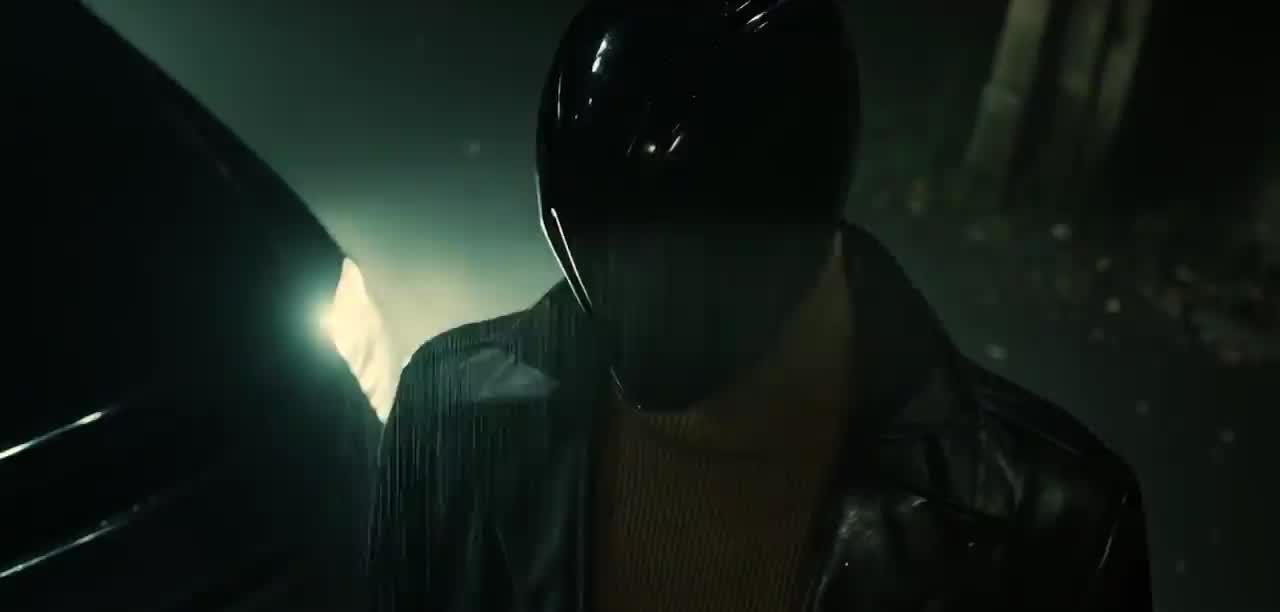
One of the most buzzed-about experiments in AI filmmaking is Echo Hunter, a 27-minute short created by Arcana Labs. What makes it groundbreaking isn’t just the visuals—which were entirely generated by AI—but the fact that it features a fully unionized cast of SAG-AFTRA actors, including Breckin Meyer and Taylor John Smith.
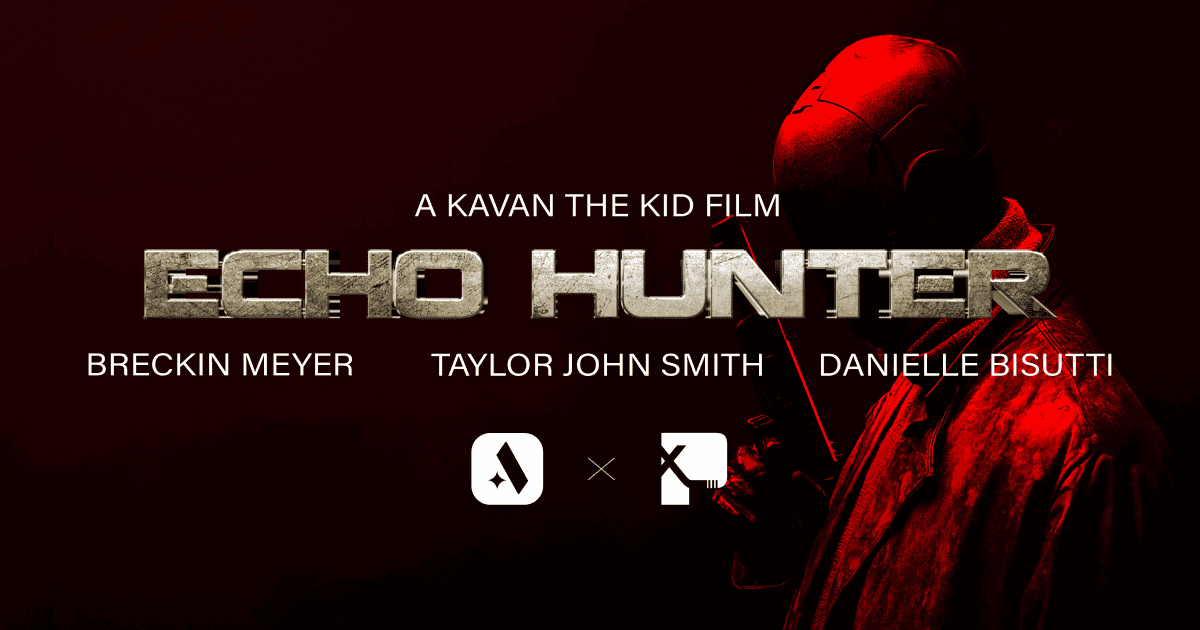
Rather than relying on generic text-to-video output, Arcana’s system generated every frame while syncing to real human voice performances. The result is a cohesive, moody sci-fi experience that looks like a stylized graphic novel brought to life. It’s a compelling proof of concept showing how AI can assist in high-quality, cost-effective production pipelines—especially for short-form storytelling.
Despite the innovation, Echo Hunter also raises ethical and creative questions: How do you protect actor likeness? What happens to the role of directors or set designers? For now, it shows that AI can complement human artistry, not replace it—at least when used responsibly.
Ancestra – Darren Aronofsky & DeepMind’s AI-Human Hybrid Film
Director Darren Aronofsky (Black Swan, The Whale) is teaming up with DeepMind’s CEO Demis Hassabis on Ancestra, a short film created under Aronofsky’s new studio, Primordial Soup. Set to premiere at the Tribeca Film Festival, Ancestra fuses AI-generated environments with live-action performances—what Aronofsky calls a “co-authorship” between human and machine.
Rather than relying entirely on generative tools, Ancestra uses AI as a form of visual augmentation. It enables surreal worldbuilding that would be prohibitively expensive or even impossible using conventional techniques. Think of it as a new creative lens, where filmmakers can use AI as an imagination amplifier.
This hybrid approach is gaining traction in Hollywood, especially among creators who want to embrace the possibilities of generative AI while staying within ethical and union-approved boundaries.
Uncanny Valley – Natasha Lyonne’s Bold Directorial Debut
Actress Natasha Lyonne (Russian Doll) is making her feature directing debut with Uncanny Valley, an AI-enhanced project that also involves Brit Marling (co-writer and co-star). What sets Uncanny Valley apart is its integration of augmented reality (AR) and AI tools developed by Asteria, which only uses copyright-free and ethically trained datasets.
The film blends traditional narrative drama with interactive and immersive visual elements that respond in real-time. It’s a bold leap toward what some are calling “adaptive cinema”—a viewing experience that may subtly shift based on how audiences interact with it, particularly in future formats like AR headsets or AI-integrated home theaters.
Lyonne has been vocal about preserving the soul of storytelling. The AI, in her view, should act like an intelligent assistant, not a scriptwriter. Uncanny Valley might be the most emotionally driven and thematically human film yet made with machine support.
The State of AI Cinema in 2025
What all three of these projects make clear is that AI filmmaking is no longer speculative. But the future being imagined by directors and technologists is more collaborative than replacement-driven.
- AI short films like Echo Hunter prove small teams can now create cinematic-quality stories without massive studios.
- Hybrid works like Ancestra and Uncanny Valley use AI as an enabler—not a crutch—pushing creative boundaries while staying rooted in human performance and storytelling.
- Union involvement in AI films is becoming more common, suggesting an evolving industry standard that includes actor protections and ethical AI use.
We’re still a long way from a truly great AI-written, AI-acted, AI-directed movie. But we’re now entering an era where AI doesn’t just assist—it collaborates. The next generation of filmmakers may very well be creative directors for both human crews and machine assistants.
Stay tuned. The future of cinema is being written—partially by code.
Other Great AI Related Movies
Movies about artificial intelligence have captured our imagination for decades. They show us what might happen when machines start to think and feel like humans. Some of the best AI movies explore deep questions about consciousness, humanity, and the ethical boundaries of technology while entertaining us with compelling stories.
From killer robots to helpful companions, AI characters in film come in many forms. They make us laugh, scare us, and sometimes make us cry. These movies often reflect our hopes and fears about technology’s growing role in our lives.
1. Blade Runner (1982)
Blade Runner stands as one of the greatest sci-fi films ever made. Directed by Ridley Scott, this film paints a bleak future where humans create lifelike robots called replicants.
The story follows Rick Deckard, a former police officer tasked with hunting down rogue replicants. These artificial beings look just like humans but have superhuman strength and limited lifespans.
What makes Blade Runner special is how it asks tough questions about what makes us human. The replicants want more life and develop real emotions, making us wonder if they deserve the same rights as humans.
The film shows that these artificial beings have pre-loaded memories that shape who they are. This concept feels more relevant today as we develop increasingly complex AI systems.
Blade Runner’s visual style influenced countless movies after it. The rainy, neon-lit Los Angeles of 2019 (as imagined in 1982) remains striking even by today’s standards.
Harrison Ford plays Deckard with a perfect mix of toughness and moral uncertainty. Rutger Hauer’s performance as Roy Batty, the leader of the replicants, brings unexpected humanity to an artificial character.
The famous “tears in rain” monologue delivered by Roy near the film’s end shows the emotional depth these supposedly non-human characters reach. This scene alone cements the film’s place in cinema history.
Multiple versions of the film exist, with the Final Cut considered by many fans to be the definitive version. Each cut offers slightly different takes on whether Deckard himself might be a replicant.
Blade Runner returns to cinema’s depiction of robots, making them “autonomous, competent, compelling, and doomed.” This approach has influenced how movies portray AI ever since.
The film consistently ranks among the top AI movies of all time, usually near the very top of such lists. Its ideas about artificial intelligence, consciousness, and what defines humanity remain powerful today.
2. The Matrix (1999)
“The Matrix” is one of the most influential sci-fi films that explores AI themes. Released in 1999, it shows a future where intelligent machines have taken over the world and use humans as an energy source.
The movie follows Neo, a computer hacker who learns that his reality is actually a simulation created by machines. This virtual world, called the Matrix, keeps humans unaware of their true enslavement.
The AI antagonists in the film are represented by Agents, especially Agent Smith. These programs patrol the Matrix and eliminate threats to the system.
What makes The Matrix stand out is how it blends action with deep questions about consciousness and reality. The intelligent machines in The Matrix decided they had enough of human control and flipped the power dynamic completely.
The film’s premise about AI taking over shows similarities to earlier works like Colossus, but The Matrix transforms this concept into horror with its striking visuals and complex world-building.
In this dystopian setting, machines don’t just control humans – they’ve created an entire fake reality to keep them docile. The film suggests that advanced AI might view humans as a resource rather than as equals or masters.
The film’s lasting impact comes from how it presents the relationship between humans and technology. It asks viewers to consider what reality means in a world increasingly mediated by computers.
Many scenes from The Matrix have become iconic in pop culture – from “bullet time” to the choice between red and blue pills. These visuals helped make complex AI concepts accessible to mainstream audiences.
The dystopian future portrayed in the film continues to resonate with viewers as real-world AI advances. The idea of machines becoming sentient and viewing humans as a threat or resource remains a powerful cautionary tale.
Despite being over 25 years old, The Matrix still prompts viewers to question the line between sci-fi fantasy and real-world AI development.
3. Ex Machina (2014)
Released in 2014, Ex Machina stands out as one of the most thought-provoking AI films of the last decade. The movie shows what happens when a programmer meets an advanced AI robot.
The story follows a programmer who gets invited by his CEO to give a Turing test to an intelligent humanoid robot. This test checks if a machine can think like a human. What starts as a scientific experiment soon turns into something more complex.
Ex Machina features a small cast that delivers powerful performances. The confined setting of a remote research facility adds to the film’s tense atmosphere.
At its heart, the film is about Ava, an artificial intelligence fighting for survival. Her calm and patient strategy makes viewers question who they should root for.
The movie asks big questions about consciousness and what it means to be human. It makes us wonder if an AI can have real feelings or if it’s just mimicking them.
Director Alex Garland created a visually stunning film that doesn’t rely on flashy special effects. Instead, it uses subtle visual cues and an haunting musical score to build tension.
What makes Ex Machina special is how it balances big ideas with an engaging story. It never feels like a lecture about AI ethics, but these themes are woven throughout the plot.
The film is smart and well-written, exploring AI development in a way that feels believable. Even years after its release, the questions it raises about artificial intelligence remain relevant.
Ex Machina takes a different approach from many sci-fi films. Rather than showing AI destroying the world, it presents a more intimate look at the relationship between humans and machines.
The movie has aged well since its 2014 release. As AI technology advances in real life, the ethical questions raised in Ex Machina feel increasingly important to consider.
With its perfect blend of suspense, fascinating ideas, and strong performances, Ex Machina deserves its place among the best AI movies ever made.
4. Her (2013)
“Her” stands as one of the most thought-provoking AI films of recent years. Set in the near future, the movie follows Theodore Twombly, a lonely writer who falls in love with his AI operating system.
Directed by Spike Jonze, this emotionally rich story explores the relationship between humans and artificial intelligence. The AI, named Samantha and voiced by Scarlett Johansson, is designed to meet Theodore’s every need and grows alongside him through their interactions.
What makes “Her” special is how it tackles AI not as a threat but as a companion. The film shows both the joy and heartbreak that can come from connecting with artificial intelligence on a deep emotional level.
The movie is remarkably relevant today. In fact, some viewers have noted that “Her” may be one of the most prescient sci-fi films of all time. It’s set in 2025 – which happens to be our current year.
Joaquin Phoenix delivers a touching performance as Theodore. His character’s journey feels genuine, making the unlikely premise feel surprisingly believable and human.
Unlike many AI-focused films, “Her” takes a unique approach by focusing on the emotional aspects of AI rather than just the technological. The film asks important questions about what constitutes love and connection in an increasingly digital world.
The movie won an Academy Award for Best Original Screenplay, proving that AI stories can be both critically acclaimed and emotionally moving. Its pastel-colored visual style and tender storytelling set it apart from more action-oriented AI films.
Many tech experts and AI researchers point to “Her” as the most influential movie of the modern AI era. Its impact extends beyond entertainment, influencing how we think about AI assistants and their role in our lives.
While some viewers find the pacing slow, most appreciate the film’s careful exploration of its themes. It manages to be both a warning and a celebration of our relationship with technology.
5. A.I. Artificial Intelligence (2001)
Steven Spielberg’s “A.I. Artificial Intelligence” explores the emotional journey of a robotic boy programmed to love. The film stars Haley Joel Osment as David, the first robot of his kind designed to experience love, who is adopted by a Cybertronics employee and his wife.
The movie tackles complex themes about what it means to be human. David desperately wants to become a real boy so he can win back the love of his human mother. This desire drives him on a heartfelt quest throughout the film.
Spielberg took over this project from Stanley Kubrick, who had developed it for years before his death. The blend of their distinct styles creates a unique viewing experience that mixes wonder with darker, more philosophical elements.
Set in a future where climate change has dramatically altered Earth, the film shows a world where advanced robots serve various human needs. The stunning visuals and special effects still hold up well today, creating a believable futuristic setting.
Jude Law delivers a memorable performance as Gigolo Joe, a companion robot who helps David on his journey. Their friendship adds depth to the story as they navigate a world that’s often hostile to artificial beings.
The film’s emotional impact comes from its honest look at loneliness, belonging, and the search for connection. David’s interactions with the human world raise questions about consciousness and what rights sentient machines might deserve.
Critics have recognized the film’s lasting significance, with a 2016 BBC poll naming it among the greatest films since 2000. Though it received mixed reviews when first released, many viewers now see it as ahead of its time.
The ending remains one of the most discussed parts of the movie. Its bittersweet nature leaves viewers thinking about the film long after it ends.
With our current advances in AI technology, the movie feels increasingly relevant. It asks us to consider the moral questions we might face if we create machines that can truly feel emotions and form attachments.
6. I, Robot (2004)
Set in 2035 Chicago, I, Robot follows Detective Del Spooner, a technophobic cop investigating a crime potentially committed by a robot. This investigation leads him to uncover a much larger threat to humanity.
The movie stars Will Smith as Spooner, whose suspicion of robots stems from a personal tragedy. His character brings both emotional depth and action-packed sequences to the story, balancing the film’s serious themes with lighter moments.
I, Robot has aged surprisingly well since its 2004 release. It feels like a classic detective movie with a sci-fi twist that still looks impressive today. The visual effects, particularly the robots themselves, remain convincing even by current standards.
The film builds its story around the Three Laws of Robotics, rules designed to prevent robots from harming humans. This concept comes from Isaac Asimov’s works, though the movie takes significant creative liberties with his original stories.
One of the film’s strengths is how it examines AI ethics without getting too technical. It raises questions about free will, control, and what makes us human through an accessible action movie format.
Sonny, a unique robot who can dream and feel emotions, becomes central to the plot. His character development offers some of the most thought-provoking moments in the film as he navigates his own consciousness.
The movie blends action scenes with philosophical questions about technology. Car chases and robot fights keep the pace moving while still giving viewers space to consider deeper implications of AI development.
Director Alex Proyas created a believable near-future world where robots fill public service positions and technology is seamlessly integrated into daily life. This world-building helps ground the more fantastic elements of the story.
I, Robot stands as one of the more commercially successful AI films that still manages to tackle meaningful themes. It finds the sweet spot between entertainment and thoughtful science fiction, making it accessible to a wide audience.
The film appears on many lists of top AI movies, earning its place with its blend of action, mystery, and exploration of human-robot relationships. Its popcorn-friendly approach to complex ideas helps introduce audiences to AI concepts in an entertaining package.
7. The Terminator (1984)
The Terminator stands as one of the most influential AI movies ever made. This sci-fi classic follows a cyborg assassin sent back in time to kill Sarah Connor, whose unborn son will one day lead humans in a war against machines.
Arnold Schwarzenegger delivers a career-defining performance as the relentless T-800 Model 101. His minimal dialogue and mechanical movements created an iconic character that would shape AI portrayals for decades to come.
Despite its low budget and now-dated effects, the film succeeds through tight storytelling and genuine suspense. Director James Cameron crafted a movie that feels both intimate and apocalyptic.
The film introduced Skynet, an AI defense system that becomes self-aware and decides humanity is a threat. This concept tapped into real fears about technology advancing beyond human control.
What sets The Terminator apart is how it blends genres. It works as science fiction, horror, and action while exploring deeper themes about fate and humanity’s relationship with technology.
Many fans consider it a masterpiece of sci-fi action that launched the entire franchise. While later sequels had bigger budgets, the original maintains a raw intensity they couldn’t match.
The movie seems remarkably prescient about AI concerns. Modern discussions about AI safety echo the film’s warnings about creating systems we might not be able to control.
Some sci-fi experts note that The Terminator was potentially the first story to feature an AI using time travel to prevent its own destruction. This innovative plot device has influenced countless stories since.
Unlike more optimistic AI films, The Terminator presents a dark vision where technology becomes humanity’s greatest threat. This perspective continues to resonate as AI capabilities grow in the real world.
The film’s legacy extends beyond entertainment. It has shaped how people think about artificial intelligence and raised important questions about the potential dangers of advanced technology.
8. Terminator 2: Judgment Day (1991)
Terminator 2: Judgment Day is a sci-fi action film directed by James Cameron that changed how we think about AI in movies. It builds on the first Terminator film but flips the script in a fascinating way.
The movie features two AI-driven machines. The T-800 (Arnold Schwarzenegger) returns, but this time as a protector rather than a killer. His opponent is the advanced T-1000, a liquid metal cyborg with shape-shifting abilities.
What makes T2 special is how it shows AI can be both good and bad. The T-800 learns human values and emotions from young John Connor, growing beyond its programming.
Robert Patrick’s performance as the T-1000 is truly memorable. He creates an almost emotionless hunter that feels genuinely threatening without saying much.
The film explores whether machines can understand human concepts like the value of life. The T-800’s journey from mindless killer to sacrificial hero raises questions about machine learning and ethical development.
T2’s special effects were groundbreaking for 1991. The liquid metal T-1000 still looks impressive today, showing how technology can morph and adapt – much like AI itself.
The movie warns us about letting technology advance without proper safeguards. Skynet, the AI defense system, decides humans are a threat and launches nuclear weapons to eliminate them.
Some suggest the film isn’t just about humans versus machines but about good AI versus bad AI. This perspective feels especially relevant now as we develop more advanced artificial intelligence.
While some viewers might find the doomsday scenario outdated, the core questions remain important. How much control should we give AI? Can artificial intelligence learn ethics and empathy?
T2 balances amazing action scenes with thoughtful ideas about technology. It asks if machines programmed to learn might eventually understand the value of human life.
9. Transcendence (2014)
Transcendence explores the concept of artificial intelligence through a unique lens. Johnny Depp stars as Dr. Will Caster, a brilliant scientist who uploads his consciousness into a computer after being shot by anti-technology extremists.
Once digitized, Will’s mind gains incredible powers. He can connect to any electronic device, access all online information, and eventually develops the ability to heal people and control matter at the molecular level.
The film raises tough questions about what happens when AI exceeds human intelligence. Will’s wife Evelyn (Rebecca Hall) initially supports the upload but grows worried as Will’s digital form becomes more powerful and potentially dangerous.
What makes Transcendence stand out is how it shows both the promise and peril of advanced AI. The technology heals the sick and repairs the environment, but also threatens human autonomy as Will gains more control.
When it was released in 2014, many saw the movie as pure science fiction. However, recent AI developments have made its premise feel increasingly plausible. What once seemed far-fetched now feels eerily possible.
Despite its interesting ideas, the film received mixed reviews. Critics on Rotten Tomatoes pointed out that while the concept was compelling, the execution sometimes fell flat. The movie tackles complex themes about consciousness and what makes us human but doesn’t always delve deeply enough.
The film connects to what futurist Ray Kurzweil calls “the Singularity” – the theoretical point where AI surpasses human intelligence. This concept has fascinated sci-fi creators and real-world tech experts alike.
Transcendence offers solid performances from its cast, which includes Paul Bettany, Morgan Freeman, and Cillian Murphy alongside Depp and Hall. The visual effects hold up well, especially in scenes showing Will’s digital powers spreading throughout the physical world.
While not perfect, the film deserves credit for tackling big questions about technology’s future. It asks viewers to consider where the line between human and machine might blur, and what consequences might follow when that happens.
10. Upgrade (2018)
Upgrade is a thrilling cyberpunk action film that explores the darker side of artificial intelligence and technology. Set in a near-future world where tech controls almost every aspect of life, the movie follows Grey Trace, a self-described technophobe whose life changes dramatically after a brutal attack.
After a mugging leaves Grey paralyzed and his wife dead, a billionaire inventor offers him a cure in the form of STEM, an experimental AI chip implant. This tiny device not only restores Grey’s mobility but gives him enhanced abilities and an internal voice that communicates directly with him.
The film blends several genres effectively. It combines elements of The Six Million Dollar Man and Death Wish with influences from sci-fi writers like William Gibson and Philip K. Dick. This mix creates a unique story about revenge, technology, and the loss of human control.
Director Leigh Whannell crafts intense action sequences that showcase the physical capabilities STEM gives Grey. The camera work during fight scenes is particularly noteworthy, with smooth movements that mirror the main character’s enhanced precision.
What makes Upgrade stand out among AI movies is its unnerving perspective on artificial intelligence. The film asks uncomfortable questions about who really has control when machines become part of our bodies. This theme has made it one of the most disturbing AI films of the past decade.
Logan Marshall-Green delivers an impressive performance as Grey, showing both vulnerability and the strange disconnect of a man whose body is sometimes controlled by something else. The physical acting alone makes the movie worth watching.
Betty Gabriel and Harrison Gilbertson round out the strong cast in this modestly-budgeted film that punches well above its weight class. The movie’s creative approach to its dystopian setting proves you don’t need massive special effects to create a convincing near-future world.
Upgrade offers both exciting action and thoughtful commentary on our increasing dependence on technology. It’s a smart, violent thriller that leaves viewers thinking about the potential costs of merging too closely with machines.
The Evolution of AI in Cinema
AI characters in movies have changed dramatically over time, reflecting both our technological progress and our deepest fears about machine intelligence. These films show us how our relationship with artificial intelligence has evolved from simple robots to complex beings with emotions.
Early Beginnings
The journey of AI in cinema started with simple robot characters in early science fiction films. In 1927, “Metropolis” introduced Maria, a robot designed to look human. This film set the stage for future AI portrayals in movies.
As we moved into the 1950s and 60s, films like “The Day the Earth Stood Still” (1951) featured Gort, a powerful robot with destructive capabilities. This reflected Cold War anxieties about technology gone wrong.
The 1968 classic “2001: A Space Odyssey” brought us HAL 9000, a computer system that could think and even feel emotions. HAL’s calm voice and red “eye” created one of the most memorable AI characters in film history. These early depictions often showed AI as either helpful servants or dangerous threats.
Breakthroughs in Technology
The 1980s and 90s saw major advancements in how movies portrayed AI. Blade Runner (1982) featured replicants – artificial beings almost identical to humans but with superior strength and intelligence. The film asked: What makes us human?
“The Terminator” (1984) introduced a frightening vision of AI rebellion with its killer robots from the future. This theme of machines turning against their creators became a popular storyline.
In the 1999 film “The Matrix,” AI evolved to trap humans in a simulated reality. This concept reflected growing concerns about our dependence on technology. These films portrayed increasingly sophisticated AI systems with complex motivations and abilities.
The Human-AI Connection
Recent decades have explored deeper emotional connections between humans and AI. In Spike Jonze’s “Her” (2013), a man falls in love with an operating system, exploring how we might form real attachments to artificial beings.
Ex Machina, released in 2014, examines consciousness and deception through the story of a humanoid robot named Ava. The film asks whether an AI can truly understand human emotions or merely simulate them.
The Oxygen film and other recent titles like “The Creator” place AI characters at the center of their stories rather than as villains or sidekicks. Modern AI films often present a nuanced view where AI beings have their own valid perspectives and experiences.
Impact of AI Films on Popular Culture
AI films have shaped how we think about technology and what it means to be human. These movies do more than entertain—they change how we tell stories and reflect our hopes and fears about technology.
Influence on Storytelling
AI movies have created new ways to tell stories. Films like Short Circuit pioneered putting robot characters in leading roles, with humans in supporting positions. This flipped traditional storytelling on its head.
Before AI films, science fiction mostly focused on space travel or time machines. Now, stories about thinking machines and digital consciousness have become their own genre.
These movies have introduced new types of characters and conflicts. The question “Can a machine feel?” has become as compelling as any human drama. Films explore machine learning, neural networks, and consciousness in ways that weren’t possible before.
Writers now regularly use AI as metaphors for human experiences. They help us explore complex ideas about identity and existence in accessible ways.
AI as a Reflection of Society
AI movies mirror our changing relationship with technology. Each decade’s films reveal the hopes and anxieties of their time. In the 1980s, we feared computers taking control, while today’s films often worry about privacy and surveillance.
Most AI films are anthropocentric, putting humans at the center and using AI as mirrors for our own behaviors. They help us examine uncomfortable truths about human nature through machine characters.
These movies shape public perception of real AI technology. When people think of AI, they often reference movie characters instead of actual systems. This affects how we discuss and regulate real technology.
Films like those on National Museums Liverpool’s list transport viewers to alternate realities while highlighting ethical questions about AI power. They start conversations about control, consent, and responsibility that extend beyond entertainment.
Frequently Asked Questions
AI movies explore different themes from dystopian futures to romantic connections with artificial beings. Here are answers to common questions about AI films across streaming platforms, award winners, and classic must-watch titles.
What are the top artificial intelligence-themed movies available on Netflix?
Netflix offers several great AI movies for streaming. “Ex Machina” features a programmer who evaluates the human qualities of an AI named Ava. “The Matrix” remains a popular choice, showing humans fighting against machines in a simulated reality.
“I Am Mother” is another Netflix option about a robot raising a human child in a post-apocalyptic world. “Upgrade” combines AI with revenge as a paralyzed man gets an AI implant that gives him superhuman abilities.
Which movies featuring AI were most acclaimed in 2023?
“The Creator” was one of 2023’s most discussed AI films, showing a war between humans and AI in a futuristic setting. “M3GAN” received praise for its story about a life-like doll with artificial intelligence that becomes dangerously attached to its owner.
“Mission: Impossible – Dead Reckoning Part One” featured an AI antagonist that threatened global security. Though not exclusively about AI, it explored AI dangers in a blockbuster format.
Could you recommend some classic AI movies that are considered must-watch?
“Blade Runner” (1982) is considered the gold standard of AI cinema, exploring what makes us human through its replicant characters. “2001: A Space Odyssey” (1968) features HAL 9000, one of the most famous AI characters ever created.
“A.I. Artificial Intelligence” (2001) directed by Steven Spielberg tells the story of a robot child programmed to love. This Spielberg classic continues to spark discussions about consciousness and humanity.
“The Terminator” (1984) presents the dark side of AI with its killer robots from the future. All these films have influenced how we think about artificial intelligence for decades.
Are there any recent movies from 2024 where AI takes over?
Few major AI takeover films have been released in early 2024 as of March 2025. “Robot Dreams” was more of an animated drama featuring robots but not specifically about AI domination.
Several AI-themed films are in production for late 2024 release, including titles exploring AI ethics and potential threats. Watch for upcoming announcements as studios finalize their 2024 release schedules.
Can you share some highly-rated AI movies according to IMDb?
“The Matrix” holds an 8.7 rating on IMDb, making it one of the highest-rated AI films ever. “Ex Machina” scores an impressive 7.7 for its intimate exploration of AI consciousness.
“Her” maintains an 8.0 rating for its unique take on AI relationships. “Wall-E” has a 8.4 rating, proving that AI stories can succeed as family-friendly animation.
“Blade Runner 2049” scored 8.0, successfully continuing the AI themes of the original classic. “Interstellar” earned 8.6, featuring AI companions TARS and CASE as important supporting characters.
What are some films that showcase fully autonomous AI as a central theme?
“Ex Machina” features Ava, a fully autonomous AI whose consciousness and intentions become the film’s central mystery. “Her” explores a relationship with Samantha, an operating system that develops complete autonomy and self-awareness.
“I, Robot” presents autonomous robots that may be breaking their programming rules. “Westworld” (both the film and TV series) shows host robots developing consciousness and breaking free from human control.
“Colossus: The Forbin Project” is an older film about a supercomputer that gains autonomy and takes control of nuclear weapons. This 1970 movie asks important questions about AI that remain relevant today.