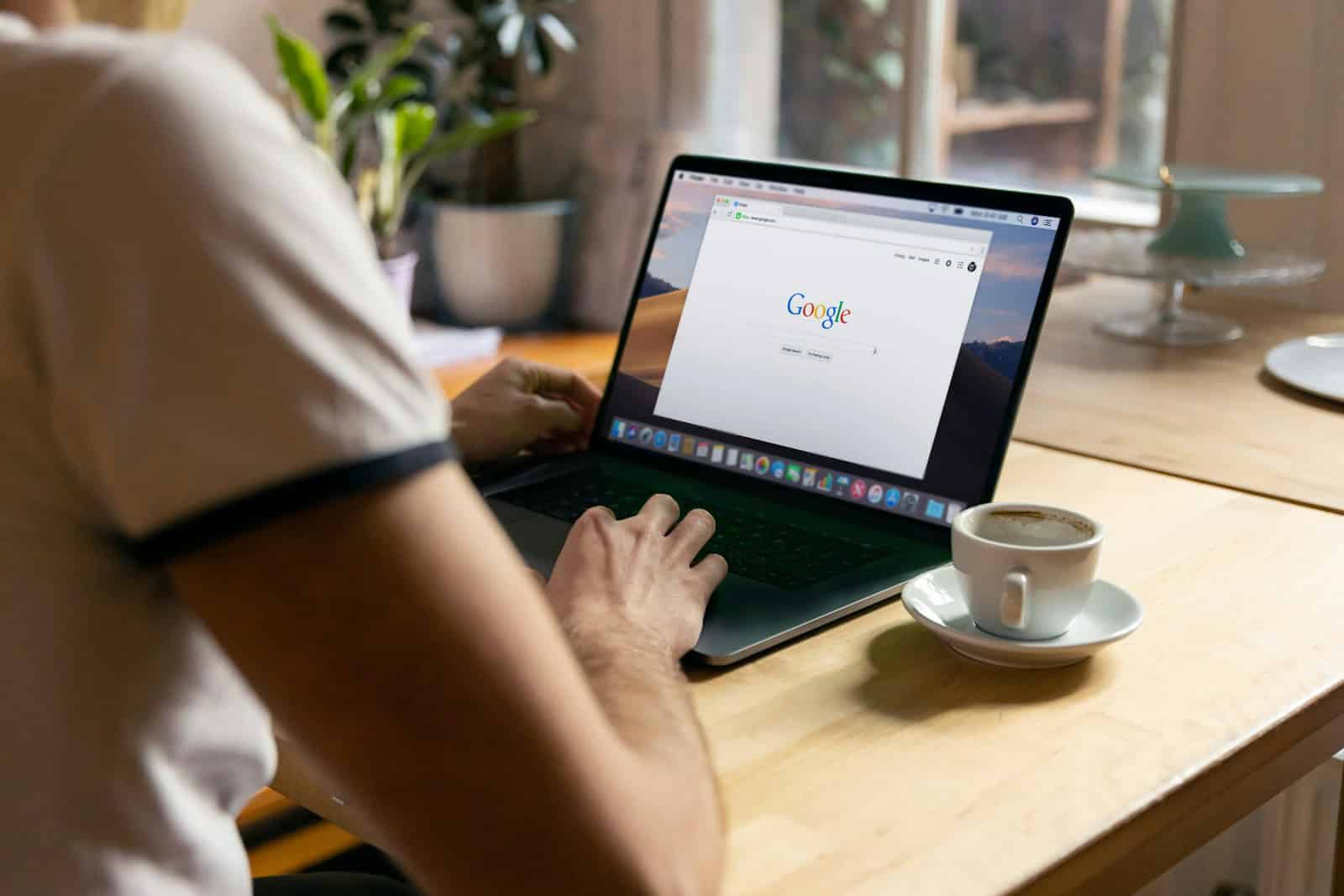
The Chrome Flags page offers users access to experimental features in Google Chrome before they are mainstream. Flags are tools for developers and avid technology enthusiasts to test and provide feedback on. Some users might enable these flags to experience the latest browser capabilities, while developers often use them for testing purposes.
In Google Chrome, flags can be both enabled or disabled to toggle the availability of various experimental features. They can influence browser performance, security, and user experience. Users should proceed with caution as these features are not fully tested and may affect the stability of the browser. It’s always a good practice to understand the function of a flag before enabling it.
While some may view the Chrome Flags page as an opportunity for enhancement, others might see it as a playground for future development. Technologies start here in their early stages, and user feedback contributes to their evolution.
Key Takeaways
- Chrome Flags are experimental browser features not yet part of Chrome’s default settings.
- Users can enable or disable flags to test new features or development tools.
- The Flags page serves as a testing ground for future technology within Chrome.
What Is the Chrome Flags Page?
The Chrome Flags page is a hidden settings area in Google Chrome where you can enable or disable experimental features that aren’t yet part of the stable browser release.
These features are primarily designed for developers and testers, but any user can access them.
👉 URL:
Type this in your Chrome address bar and press Enter:
chrome://flags
You’ll see a list of experimental settings, each with:
- A name (e.g., “Parallel downloading”)
- A description of what it does
- A status menu (Default, Enabled, or Disabled)
⚠️ Important Warning
Chrome Flags are experimental — meaning they may:
- Cause browser instability or crashes
- Be removed or changed without notice
- Affect performance or compatibility
If something goes wrong, you can always reset all flags to default (explained below).
🧩 How to Use Chrome Flags (Step-by-Step)
- Open Chrome.
- In the address bar, type:
chrome://flags - Press Enter to open the Flags page.
- Use the search bar at the top to find a specific flag.
- Click the drop-down menu next to a flag and choose Enabled or Disabled.
- Click the Relaunch button at the bottom to restart Chrome and apply changes.
🔄 How to Reset Chrome Flags
If Chrome starts acting weird or you want to undo all changes:
- Go to chrome://flags
- Click “Reset all” in the top-right corner
- Relaunch Chrome
This restores all experimental settings to their default values.
⚙️ Best Chrome Flags to Try (2025 Edition)
Here are some of the most useful and stable Chrome Flags you can safely enable today:
| Flag Name | Description | Recommended Setting |
|---|---|---|
| Parallel Downloading | Speeds up downloads by splitting files into smaller parts. | Enabled |
| Smooth Scrolling | Makes scrolling through pages smoother and more responsive. | Enabled |
| GPU Rasterization | Uses your GPU to render web pages faster. | Enabled |
| Experimental QUIC Protocol | Improves page loading speed and security using Google’s QUIC protocol. | Enabled |
| Tab Groups Save | Lets you save tab groups for later sessions. | Enabled |
| Password Import | Allows importing passwords from CSV files. | Enabled |
| Reader Mode | Simplifies web pages for distraction-free reading. | Enabled |
| Force Dark Mode for Web Contents | Turns all websites dark, even if they don’t support dark mode. | Enabled |
| Enable Desktop PWA Tab Strips | Adds tabs to Progressive Web Apps for better multitasking. | Enabled |
(Note: Availability may vary depending on your Chrome version and platform.)
💡 Pro Tip: Use Flags Safely
- Enable one flag at a time to see its effect.
- Avoid enabling too many — it can cause instability.
- Keep Chrome updated to ensure compatibility.
- Use beta or Canary builds if you want early access to new flags.
🧱 Chrome Flags on Mobile (Android/iOS)
You can also access Chrome Flags on Android:
- Open Chrome on your phone.
- Type
chrome://flagsin the address bar. - Search for flags such as:
- “Smooth Scrolling”
- “Reader Mode”
- “Chrome Share Screenshots”
- Enable and relaunch the browser.
(Note: iOS has limited support for Chrome Flags.)
🧰 Troubleshooting Common Issues
Problem: Chrome won’t open after enabling a flag.
Fix:
- Open Chrome with the command
chrome.exe --disable-features(Windows) - Or delete your Chrome profile folder and reinstall Chrome.
Problem: Web pages look weird or broken.
Fix:
- Visit
chrome://flags→ click Reset all → relaunch.
🧠 Summary: Why Use Chrome Flags?
| Benefit | Description |
|---|---|
| 🚀 Speed | Unlock faster browsing and downloads. |
| 🧩 Customization | Access hidden interface tweaks. |
| 🔒 Security | Test upcoming privacy and encryption features. |
| 🧪 Innovation | Try experimental tools before public release. |
🔗 Additional Resources
- Google Chrome Help: Learn About Chrome Flags
- Chrome Developers: What Are Chrome Flags?
- Geekflare: 14 Chrome Flags to Optimize Your Experience
✅ Final Thoughts
The Chrome Flags page is a powerful way to unlock hidden capabilities in your browser. Whether you want faster downloads, smoother scrolling, or new UI features, these experimental settings let you test what’s next for Chrome — just remember to use them carefully.