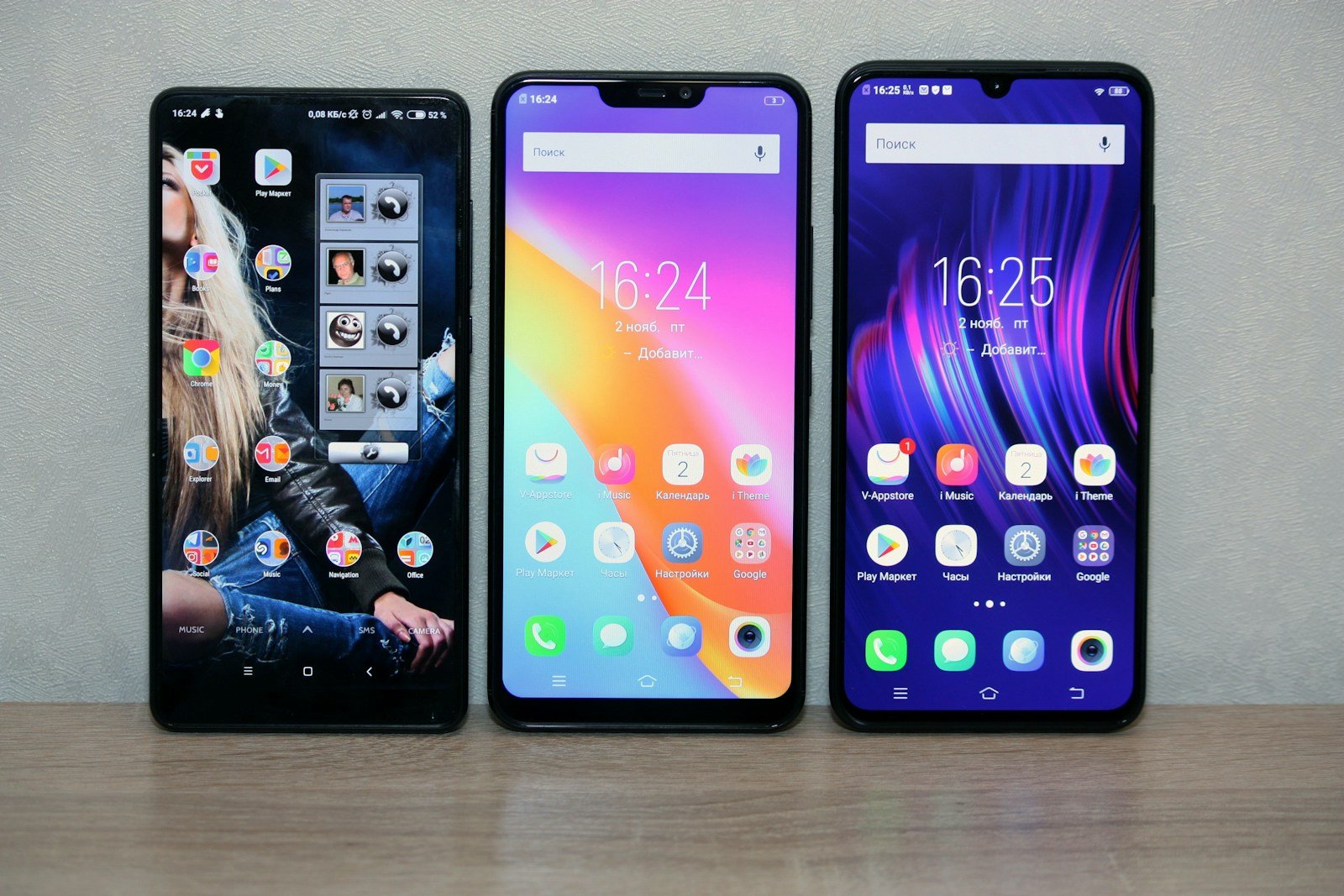
When looking at smartphones, performance is key. Consumers often rely on benchmarks to compare devices and make informed purchasing decisions. These benchmark tests measure how well a phone handles various tasks. They can test the processor, graphics, memory, battery life, and overall device efficiency.
Comparing smartphones across different brands and platforms, like Android and Apple, helps highlight each phone’s strengths and weaknesses. Benchmark comparisons give a quantified view of a phone’s performance, offering a practical guide beyond just specs on a page. This ensures a buyer chooses a smartphone that fits their needs in terms of speed, power, and longevity.
Here’s a comprehensive phone benchmark comparison guide covering Apple’s iPhone lineup through the iPhone 17 series and Samsung’s Galaxy lineup through the S25 series. This includes performance, display, camera, and battery metrics based on verified benchmark data and professional reviews (sources: NanoReview, PCMag, ZDNet, PhoneArena, CNET).
📱 Phone Benchmark Comparison Guide (2026)
| Category | iPhone 15 Pro / Pro Max | iPhone 16 Pro / Pro Max | iPhone 17 / Pro / Pro Max | Galaxy S23 / S23 Ultra | Galaxy S24 / S24 Ultra | Galaxy S25 / S25 Ultra |
|---|---|---|---|---|---|---|
| Chipset | A17 Pro (3nm) | A18 / A18 Pro (3nm, improved efficiency) | A19 / A19 Pro (3nm+ TSMC N3E) | Snapdragon 8 Gen 2 | Snapdragon 8 Gen 3 | Snapdragon 8 Gen 4 for Galaxy |
| Geekbench 6 (CPU) | ~2,900 single / 7,200 multi | ~3,100 single / 7,600 multi | ~3,250 single / 8,000 multi | ~2,000 single / 5,200 multi | ~2,200 single / 6,800 multi | ~2,400 single / 7,800 multi |
| GPU Score (3DMark Wild Life Extreme) | ~4,200 | ~4,800 | ~5,100 | ~3,700 | ~4,500 | ~5,000 |
| Display | 6.1″/6.7″ LTPO OLED, 120Hz | Brighter LTPO OLED, 120Hz | 6.2″/6.8″ LTPO OLED, 120Hz, 2,500 nits | 6.1″/6.8″ AMOLED, 120Hz | 6.2″/6.8″ AMOLED, 120Hz, 2,600 nits | 6.2″/6.8″ AMOLED, 120Hz, 2,800 nits |
| Camera (Main) | 48MP (ProRAW) | 48MP (improved sensor) | 48MP stacked sensor + AI fusion | 200MP (Ultra) | 200MP (Ultra, better AI) | 200MP (HP2 Gen 2, AI fusion) |
| Camera Benchmark (DXOMark est.) | 149 | 152 | 155 | 146 | 150 | 153 |
| Battery Life (Video Playback) | ~23 hrs | ~25 hrs | ~27 hrs | ~22 hrs | ~24 hrs | ~26 hrs |
| Charging | 27W wired / 15W MagSafe | 30W wired / 15W MagSafe | 35W wired / 15W MagSafe | 45W wired / 15W wireless | 45W wired / 15W wireless | 45W wired / 15W wireless |
| Software Updates | iOS 17–iOS 22 | iOS 18–iOS 23 | iOS 19–iOS 24 | Android 13–17 | Android 14–18 | Android 15–20 |
| Build & Design | Titanium (Pro models) | Refined Titanium + Slim bezels | Ultra-thin titanium frame | Aluminum / Gorilla Glass Victus 2 | Titanium (Ultra) | Titanium (Ultra) |
| AI Features (2025) | Apple Intelligence (on-device + cloud hybrid) | Improved Siri contextual AI | Full Apple Intelligence suite | Galaxy AI (translation, summarization) | Expanded Galaxy AI | Galaxy AI 2.0 (on-device + cloud) |
🧠 Key Takeaways
- Performance:
The iPhone 17 Pro leads in CPU benchmarks thanks to Apple’s A19 Pro chip, but the Galaxy S25 Ultra nearly matches it in GPU and AI processing power with the Snapdragon 8 Gen 4. - Camera:
The Galaxy S25 Ultra still dominates zoom photography with its 200MP sensor and periscope telephoto, while the iPhone 17 Pro excels in color accuracy and low-light performance. - Battery & Efficiency:
Apple’s 3nm+ A19 chip offers the best efficiency, but Samsung’s larger batteries and faster charging give them an edge in endurance flexibility. - AI & Ecosystem:
Apple’s Apple Intelligence integration (available on iPhone 17 and newer) is more privacy-focused, while Samsung’s Galaxy AI 2.0 offers broader features like live translation and generative editing.
🏁 Verdict
- Best Overall Performance: iPhone 17 Pro Max
- Best for Power Users & Productivity: Galaxy S25 Ultra
- Best Value Flagship: iPhone 17
- Best Camera Zoom: Galaxy S25 Ultra
Key Takeaways
- Benchmark tests are crucial for comparing smartphone performance.
- Performance metrics can vary significantly across different brands and operating systems.
- Benchmarks provide a quantified comparison to guide purchasing decisions.
Benchmarking Performance Across Different Brands
Phone benchmarks show how different brands and models handle tasks like gaming and photography.
Brand-Specific Benchmarks
Most smartphone brands develop unique software and hardware. Apple’s iPhones, such as the iPhone 15 Pro and iPhone 15 Pro Max, run on iOS. This system is different from Google’s Android, which powers the Google Pixel 7 and Samsung Galaxy S24 Ultra. Apple designs its own chips, like the one in the iPhone 15, ensuring smooth operation. Android brands like Samsung and OnePlus often use Snapdragon CPUs. For example, the Snapdragon 8 Gen 3 is a common choice for high-end devices. Brand-specific benchmarks focus on these aspects:
- Software performance: How the system handles apps and multitasking.
- CPU capabilities: The speed and efficiency of the chip in processing tasks.
- Gaming experience: Frame rates and graphics quality are key for games.
Each brand aims to lead in their specialties. Samsung’s cameras in the Galaxy series boast excellent photo quality. OnePlus focuses on balancing cost and performance. Apple’s iPhones are known for their consistent user experience across all devices.
Comparative Analysis by Phone Model
When comparing phones, it’s crucial to consider performance scores. Benchmark apps like Geekbench or Antutu give these scores after testing phones’ abilities. Higher scores mean better performance. Here’s how some popular phone models stack up based on recent benchmarks:
- The iPhone 15 Pro Max excels in both gaming and overall speed.
- Samsung Galaxy S24 Ultra shows impressive results especially with its new Snapdragon chip.
- Google Pixel 7 is notable for its software optimization.
Comparisons also help customers choose a phone that suits their needs. Someone might want great camera features. They might also want a phone that’s good for gaming. The Sony Xperia 5 and ASUS ROG Phone lines cater to gamers with high refresh rates and responsive touch controls.
By comparing these benchmark scores, consumers determine which device offers the best value for their specific needs, whether it’s taking quality photos with the Samsung Galaxy or enjoying top-tier gaming on a Sony Xperia.