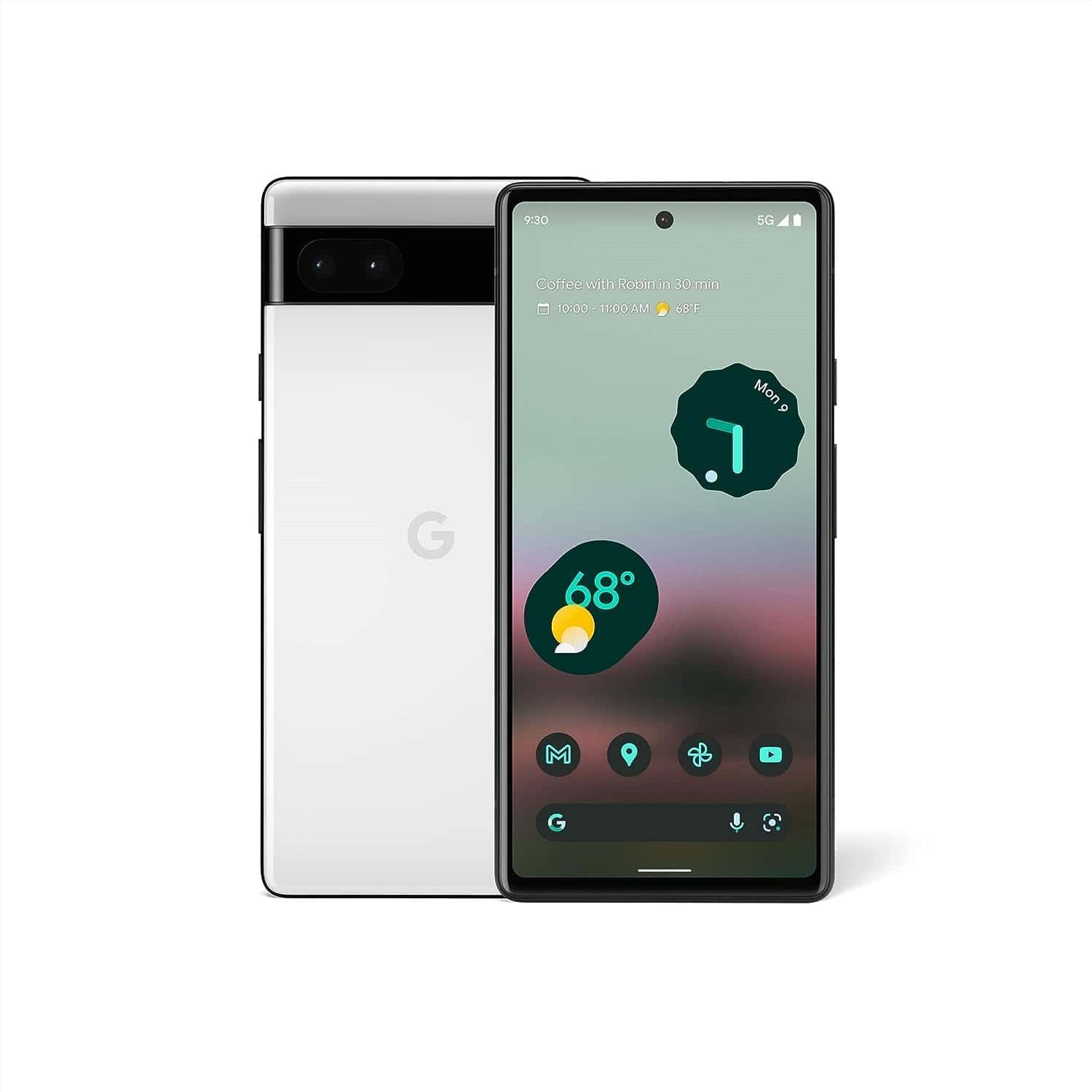
The Google Pixel 6a continues the legacy of its predecessors by offering a suite of features that appeal to smartphone users. However, it marks a significant design shift in one aspect — the absence of a headphone jack. This design choice aligns the Pixel 6a with other contemporary smartphones. It signals a push towards a future where wireless technology is the norm for audio experiences.
Google’s decision to omit the headphone jack from the Pixel 6a has stirred discussions among consumers who have favored wired headphone connectivity for its reliability and audio quality. The change reflects a broader industry trend where smartphone makers are omitting the 3.5mm port. Users who prefer wired audio must now look for alternatives, such as Bluetooth devices or USB-C to headphone jack adapters. Google’s move raises questions about the balance between innovation and user convenience in the design of modern smartphones.
Pixel 6a Headphone Jack: What You Need to Know
When Google released the Pixel 6a, many users wondered whether the affordable mid-range phone would keep the beloved 3.5mm headphone jack — a feature that earlier “a” series Pixels like the 4a and 5a had. Unfortunately, the Pixel 6a does not include a headphone jack. Instead, it relies on USB-C or Bluetooth for audio output.
This guide explains your options for connecting wired headphones, what adapters work best, and how to get the best sound experience from your Pixel 6a in 2025.
Does the Pixel 6a Have a Headphone Jack?
No — the Pixel 6a does not have a built-in headphone jack. Google removed it starting with this model, following the trend set by most flagship phones. This means you’ll need to use either:
- USB-C wired headphones, or
- A USB-C to 3.5mm headphone adapter (dongle), or
- Bluetooth wireless headphones.
If you’re upgrading from a Pixel 5a or an older phone with a headphone jack, this is an important change to keep in mind.
Using a USB-C to 3.5mm Adapter
The easiest way to use your existing wired headphones with the Pixel 6a is by purchasing a USB-C to 3.5mm adapter (also called a dongle).
However, not all adapters are compatible. The Pixel 6a requires an adapter that includes a built-in DAC (digital-to-analog converter). Cheaper adapters that only pass through analog signals won’t work.
Recommended Adapters (2025)
- Google USB-C to 3.5mm Headphone Adapter – Official and fully compatible; supports in-line controls and mic.
- Cable Matters USB-C Audio Adapter – Reliable third-party option with solid DAC performance.
- Anker USB-C to Audio Adapter – Durable build and good sound quality for the price.
💡 Tip: Avoid no-name adapters under $5 — many of them don’t include a DAC and won’t be recognized by the Pixel 6a.
Bluetooth Headphones: A Wireless Alternative
If you prefer going wireless, the Pixel 6a features Bluetooth 5.2, offering strong connectivity and support for modern codecs like AAC and aptX.
Recommended Wireless Options
- Google Pixel Buds A-Series – Affordable, designed for Pixel phones, and integrate well with Google Assistant.
- Sony WF-C700N – Great noise cancellation and battery life at a mid-range price.
- JBL Tune Flex – Budget-friendly with reliable sound and comfort.
Bluetooth headphones eliminate the need for adapters, though some audiophiles still prefer wired audio for consistent quality.
Can You Use USB-C Headphones?
Yes — the Pixel 6a supports USB-C digital audio. This means you can plug in USB-C headphones directly, as long as they include built-in DAC support.
Popular examples include:
- Google Pixel USB-C Earbuds
- 1More Triple Driver USB-C Headphones
- Samsung AKG USB-C Earphones
These options often provide better sound than cheap dongles and are plug-and-play compatible.
Refurbished and Accessory Deals in 2025
As of 2025, the Pixel 6a remains a great budget phone, often available refurbished for under $250. Accessories like USB-C adapters and Bluetooth earbuds are widely available through Amazon, Best Buy, and Google Store.
If you buy a refurbished unit, check that the USB-C port is in good condition — it’s essential for both charging and audio.
Key Takeaways
- The Pixel 6a does not include a headphone jack.
- Use a USB-C to 3.5mm adapter with a DAC, USB-C headphones, or Bluetooth.
- Official Google and reputable third-party adapters ensure compatibility.
- Bluetooth 5.2 offers strong wireless performance for most users.
- Refurbished Pixel 6a phones remain excellent value in 2025, but plan for a dongle or wireless setup.
Key Takeaways
- The Pixel 6a omits the headphone jack, deviating from earlier models in the series.
- This change aligns with an industry-wide shift towards wireless audio solutions.
- Users now have to consider alternatives like Bluetooth or adapters for wired headphones.
Design and Features
The Google Pixel 6a showcases modern design elements and advanced features, although it eliminates the traditional 3.5mm headphone jack. This change aligns the phone with its flagship siblings but shifts away from its budget predecessors.
Design Overview
The Google Pixel 6a features a sleek, compact design that facilitates one-hand use. It sports a durable build with Gorilla Glass 3 offering protection for its OLED display. The phone comes in three colors: Sage, Chalk, and Charcoal. Along the side, users find the volume rocker and power button, with speakers located at the base of the phone.
Headphone Jack Relevance
Contrary to the Pixel 5a and earlier models, the Pixel 6a does not have a 3.5mm headphone jack. Users seeking wired audio must use USB-C headphones or a dongle to connect traditional headphones. For wireless audio, Google offers Pixel Buds A-Series or Pixel Buds Pro.
Comparison With Predecessors
The removal of the headphone jack in the Pixel 6a marks a distinct departure from the Pixel A series tradition. Previous models like the Pixel 5a, Pixel 4a, and Pixel 3a all included the 3.5mm jack, which was a notable feature for budget-conscious buyers.
Competitor Comparison
Competing brands like Apple and Samsung have also transitioned away from headphone jacks in many models. For instance, Apple removed the jack starting with the iPhone 7, and Samsung offers alternatives such as the Galaxy A53 without a 3.5mm jack. These brands, like Google, suggest users switch to wireless solutions or use adapters for wired headphones.