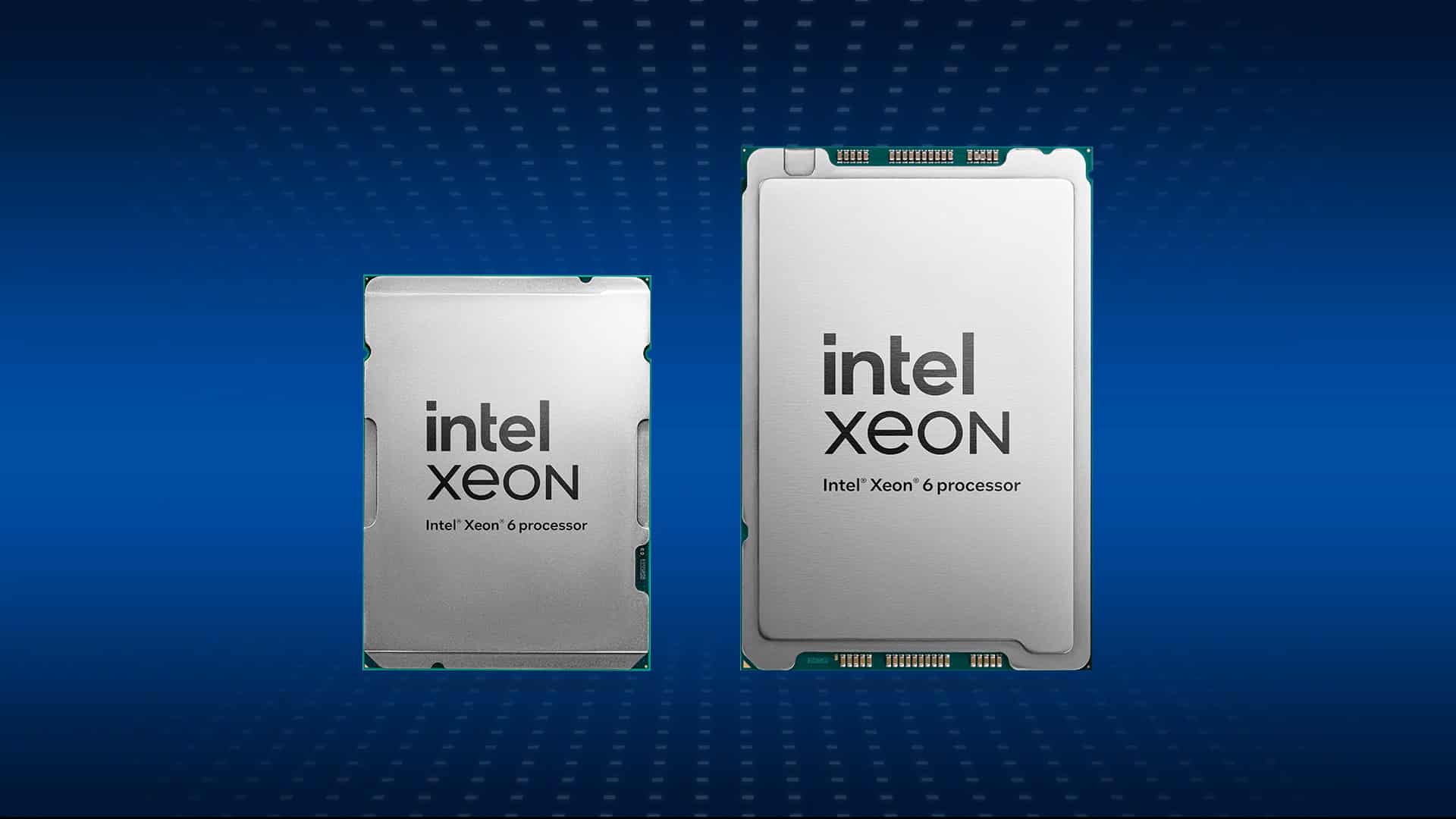
Intel Xeon Scalable processors are designed to power today’s most demanding workloads, from enterprise data centers to high-performance computing (HPC) environments. Built for scalability, reliability, and performance, the Xeon Scalable family serves as the backbone for servers supporting cloud computing, artificial intelligence (AI), virtualization, and mission-critical applications.
Here’s a detailed look at what makes Intel Xeon Scalable processors essential for modern infrastructure.
What Are Intel Xeon Scalable Processors?
Intel Xeon Scalable processors are enterprise-grade CPUs engineered for servers and data centers. Unlike consumer-grade processors, Xeon chips are optimized for:
- Multi-socket server configurations
- High core counts and parallel processing
- Large memory capacity and bandwidth
- Advanced security and reliability features
- Continuous, 24/7 operation
The “Scalable” branding reflects their flexibility—organizations can deploy them in small business servers or scale up to massive cloud data centers.
Generations of Intel Xeon Scalable
Intel has released multiple generations of Xeon Scalable processors, each improving performance, efficiency, and feature sets.
1st Generation (Skylake)
Launched in 2017, these introduced a new mesh architecture, higher core counts, and support for six memory channels per socket.
2nd Generation (Cascade Lake)
Improved performance and introduced hardware-based mitigations for security vulnerabilities such as Spectre and Meltdown.
3rd Generation (Ice Lake)
Built on a 10nm process, these chips offered more cores per socket, PCIe 4.0 support, and enhanced AI acceleration.
4th Generation (Sapphire Rapids)
A major architectural leap featuring:
- DDR5 memory support
- PCIe 5.0
- Compute Express Link (CXL)
- Integrated AI acceleration (AMX – Advanced Matrix Extensions)
5th Generation (Emerald Rapids)
Focused on performance-per-watt improvements, increased cache sizes, and optimized performance for cloud-native and AI workloads.
Key Features and Technologies
1. High Core Counts
Modern Xeon Scalable processors can feature dozens of cores per CPU, enabling efficient parallel processing for virtualization, analytics, and cloud services.
2. Advanced Memory Support
With support for large memory capacities and high-speed DDR4/DDR5 memory, Xeon systems can handle data-intensive applications such as databases and in-memory analytics.
3. PCIe and I/O Expansion
Support for PCIe 4.0 and 5.0 enables faster networking, storage, and GPU connectivity—critical for AI and high-performance computing tasks.
4. Built-In AI Acceleration
Newer generations integrate AI-specific instruction sets like Intel AMX, improving performance for machine learning inference and training workloads.
5. Security Features
Intel Xeon Scalable processors include hardware-based security technologies such as:
- Intel Software Guard Extensions (SGX)
- Intel Total Memory Encryption (TME)
- Secure Boot and firmware protections
These features help protect sensitive workloads in enterprise and cloud environments.
Performance and Workload Optimization
Xeon Scalable processors are optimized for diverse workloads, including:
- Cloud Computing: Efficient virtualization and containerization.
- Artificial Intelligence: Acceleration for deep learning and inference.
- Data Analytics: Real-time data processing and large-scale databases.
- Networking: High-throughput telecom and edge deployments.
- High-Performance Computing: Scientific simulations and modeling.
With advanced power management features, Xeon processors also deliver improved performance per watt—critical for large-scale data centers where energy efficiency directly impacts operational costs.
Multi-Socket Scalability
One of the defining features of Xeon Scalable processors is their ability to operate in multi-socket configurations. Organizations can deploy:
- Single-socket systems for cost-efficient performance
- Dual-socket systems for mainstream enterprise workloads
- Four- and eight-socket systems for mission-critical computing
This flexibility allows businesses to grow their infrastructure without completely redesigning their architecture.
Comparison to Other Server CPUs
Intel Xeon Scalable competes directly with other server-class processors, such as AMD EPYC. While AMD has gained market share with high core counts and aggressive pricing, Intel continues to differentiate itself with:
- Strong ecosystem support
- Extensive OEM partnerships
- Advanced security technologies
- Optimizations for enterprise software environments
Many enterprises choose Xeon due to long-standing compatibility and certification across software platforms.
Use Cases Across Industries
Intel Xeon Scalable processors power systems in:
- Financial services (real-time trading platforms)
- Healthcare (medical imaging and data analytics)
- Telecommunications (5G infrastructure)
- Government and defense
- Cloud service providers
Their reliability and enterprise-grade engineering make them suitable for environments where downtime is not an option.
The Future of Xeon Scalable
Intel continues to evolve its Xeon architecture with improved AI capabilities, energy efficiency, and integration with next-generation interconnect technologies like CXL. As data demands grow and AI workloads expand, Xeon Scalable processors are expected to play a key role in powering next-generation infrastructure.
Final Thoughts
Intel Xeon Scalable processors remain a cornerstone of modern data center computing. With high core counts, advanced memory and I/O support, integrated AI acceleration, and robust security features, they are built to handle the most demanding enterprise workloads.
For organizations seeking scalable, secure, and high-performance server solutions, Xeon Scalable processors continue to offer a reliable and versatile foundation for digital transformation.