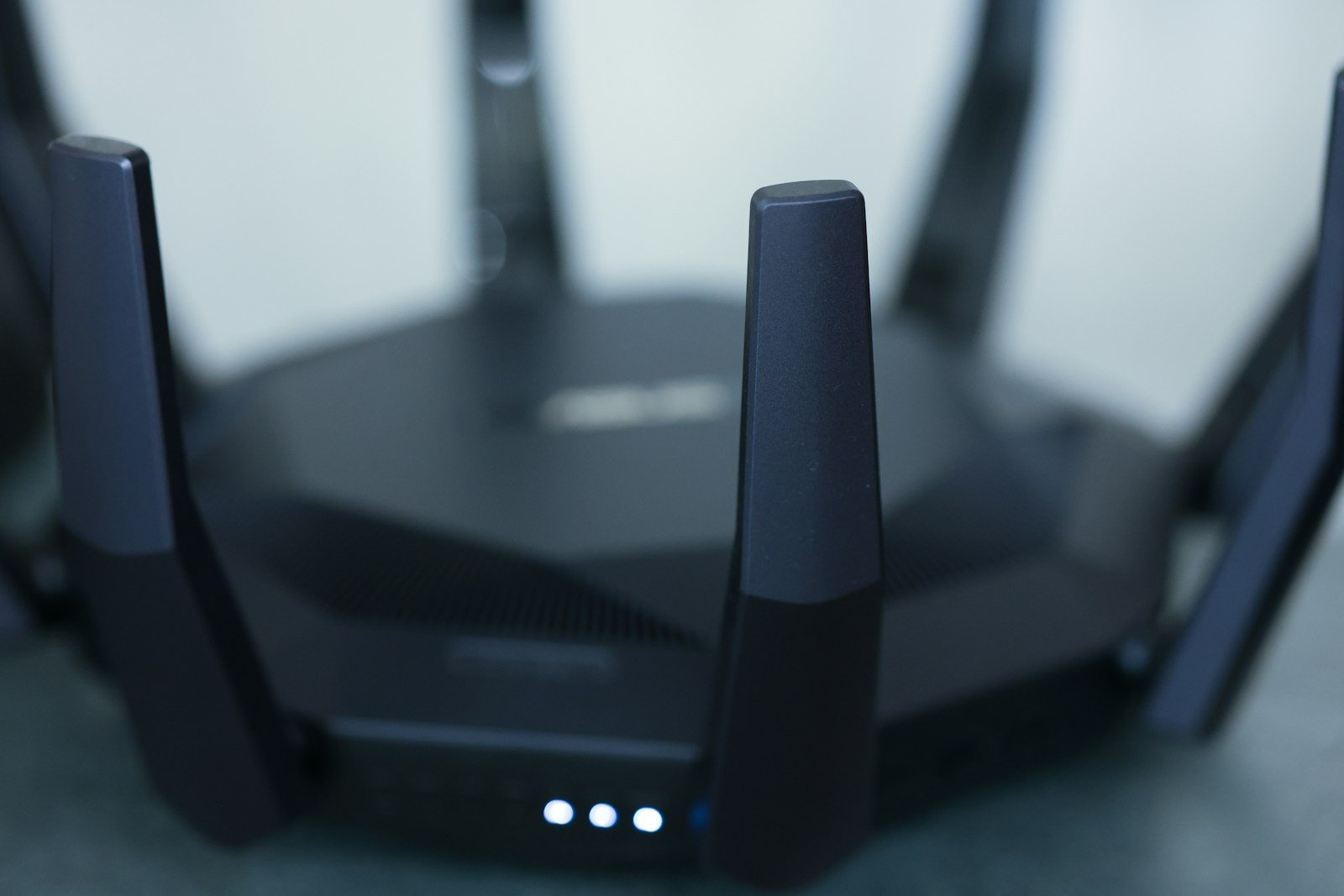
Wi-Fi 7 (also known as IEEE 802.11be) is the latest evolution in wireless networking technology, poised to revolutionize home and business connectivity in 2025 and beyond. Here’s a comprehensive guide to understanding Wi-Fi 7, its features, benefits, and why you might want to upgrade.
What is Wi-Fi 7?

Wi-Fi 7 is the upcoming wireless standard designed to deliver ultra-fast speeds, extremely low latency, and enhanced reliability. Building on the foundation of Wi-Fi 6 and Wi-Fi 6E, Wi-Fi 7 supports wider channels, improved modulation, and multi-link operation, making it ideal for demanding applications like 8K streaming, cloud gaming, AR/VR, and smart home ecosystems.
Key Features of Wi-Fi 7
1. Blazing Fast Speeds — Up to 46 Gbps
Wi-Fi 7 can theoretically reach speeds up to 46 Gbps, a significant leap over Wi-Fi 6’s maximum of around 9.6 Gbps. This is achieved by:
- Supporting 320 MHz channel bandwidth (double that of Wi-Fi 6’s 160 MHz)
- Using 4096-QAM (Quadrature Amplitude Modulation) for higher data density
2. Multi-Link Operation (MLO)
Wi-Fi 7 devices can simultaneously connect across multiple frequency bands (2.4 GHz, 5 GHz, and 6 GHz), aggregating bandwidth and reducing latency by intelligently routing traffic. This means smoother streaming and gaming experiences even in congested networks.
3. Lower Latency and Improved Reliability
MLO and enhanced scheduling reduce delays, making Wi-Fi 7 perfect for real-time applications such as online gaming, augmented reality (AR), and virtual reality (VR).
4. Backward Compatibility
Wi-Fi 7 is fully backward compatible with Wi-Fi 6, 6E, and earlier standards, ensuring your older devices still work seamlessly while you upgrade your network.
5. Expanded Use of the 6 GHz Band
Wi-Fi 7 continues to leverage the 6 GHz spectrum introduced in Wi-Fi 6E, offering more clean channels and less interference, which translates into faster and more reliable connections.
Benefits of Upgrading to Wi-Fi 7
- Future-proof your network for emerging high-bandwidth applications.
- Ultra-smooth 8K video streaming and multi-device 4K streaming.
- Enhanced gaming experiences with near-zero lag.
- Improved smart home and IoT device performance due to better handling of multiple simultaneous connections.
- Better performance in dense environments like apartments, offices, and public spaces.
Should You Upgrade to Wi-Fi 7 in 2025?
If you:
- Use bandwidth-heavy applications (8K streaming, VR/AR, cloud gaming)
- Have many devices connected simultaneously
- Want the lowest latency possible
- Are building or upgrading a smart home or office network
then Wi-Fi 7 routers and devices are worth considering.
For casual users with basic browsing and streaming needs, Wi-Fi 6E remains sufficient for now.
What to Look for in Wi-Fi 7 Equipment
- Wi-Fi 7 routers and mesh systems supporting 320 MHz channels and MLO
- Devices supporting 6 GHz band for maximum speed and low interference
- Compatibility with your existing devices and network infrastructure
- Security features like WPA3 encryption
Summary
Wi-Fi 7 represents a major leap forward in wireless technology, offering unprecedented speeds, ultra-low latency, and enhanced multi-device performance. As 2025 unfolds, Wi-Fi 7 will become the new standard for high-performance home and business networks.
WiFi 7 Breakdown
Wi-Fi 7 has emerged as the latest advancement in wireless networking technology. Officially termed IEEE 802.11be, it succeeds Wi-Fi 6 which is known as IEEE 802.11ax. Wi-Fi 7 promises increased speeds, greater bandwidth, and improved resistance to interference. It aims to provide users with a more seamless online experience, whether browsing, streaming, or engaging in demanding online activities.
This new standard also brings with it backward compatibility, ensuring devices with previous Wi-Fi versions can still connect. Early devices featuring Wi-Fi 7 have already hit the market, indicating that the technology is indeed out and beginning to be adopted. It is designed to work in existing bands while also expanding into the 6GHz spectrum where available.
The adoption of Wi-Fi 7 by manufacturers and consumers alike will be a gradual process, much like the transitions to earlier Wi-Fi generations. With early products already available, users keen on utilizing the full potential of Wi-Fi 7 will need to upgrade their devices accordingly. As networks around the world update their infrastructure, Wi-Fi 7 is set to become the new standard for wireless connectivity.
Key Takeaways
- Wi-Fi 7, or IEEE 802.11be, brings faster speeds and better connectivity.
- The technology is backwards compatible and available for early adoption.
- Full benefits of Wi-Fi 7 require compatible devices and network upgrades.
Wi-Fi 7 Overview
Wi-Fi 7 represents the latest leap in wireless technology, bringing increased speeds, improved reliability, and a better ability for devices to work together. It’s designed to meet the growing demand for data by enhancing user experience and network capacity.
Technological Advancements
Wi-Fi 7 introduces multi-link operation (MLO), a feature that allows devices to send and receive data over multiple frequencies at once. This improves speed and reduces interference. Wider channels in the 6GHz band also play a role in these advancements, allowing for faster data transmission.
Compatibility and Coexistence
This new standard maintains backward compatibility, meaning Wi-Fi 7 routers can support devices using Wi-Fi 6 and earlier technologies. This ensures that a variety of devices can coexist on the same network without issues.
Impact on User Experiences
With less lag and higher throughput, Wi-Fi 7 enhances experiences for users. Activities such as virtual reality (VR), augmented reality (AR), and cloud gaming will benefit from the lower latency and improved stability that Wi-Fi 7 provides.
Adoption and Availability
Manufacturers like Netgear and TP-Link have started to release Wi-Fi 7 products. While routers and access points are becoming available, a broader adoption across devices like phones and laptops will enhance network capabilities.
Future-Proofing Networks
Wi-Fi 7 is a step towards future-proofing wireless networks. It offers the capacity and efficiency to handle the growing number of internet-connected devices in smart homes and beyond.
Potential and Challenges
The potential for a more efficient and faster network comes with challenges. Ensuring the stability and security of the network with an increasing number of connected devices is crucial.
Comparative Insights
Compared to Wi-Fi 6 and Wi-Fi 6e, Wi-Fi 7 provides significantly higher speeds and capacity. It efficiently handles more devices and data, easing congestion, especially in busy environments like cities.
Industry Perspectives
Industry leaders like Qualcomm and Intel are actively involved in the development and deployment of Wi-Fi 7 technologies. Their perspectives influence the speed at which Wi-Fi 7 gets adopted in various devices.
Technical Specifications
Wi-Fi 7 is also known as IEEE 802.11be. It utilizes advancements such as orthogonal frequency-division multiple access (OFDMA) and quadrature amplitude modulation (QAM) to improve network efficiency.
Market Dynamics
The release of Wi-Fi 7 impacts consumer electronics by increasing the demand for routers and devices with better connectivity. It influences how manufacturers and service providers meet bandwidth demands.
Regulatory Considerations
Regulations play a role in the allocation of the wireless spectrum. Wi-Fi 7’s use of the 6GHz band requires approval from regulatory bodies, which impacts its availability in different regions.
Ecosystem and Partnerships
The Wi-Fi 7 landscape involves a network of partners, including chipset manufacturers and cloud service providers. Their cooperation is key to the successful integration of Wi-Fi 7 into the market.
Product Ecosystem
The product ecosystem for Wi-Fi 7 includes routers, mesh systems, and client devices. Companies such as Asus and Eero are contributing to a diverse range of products that support the new standard.
Advancements in Modulation Techniques
Wi-Fi 7’s improved signal modulation techniques, including higher QAM, enable faster data rates. This enhances performance for applications requiring high bandwidth, like video streaming and large file transfers.