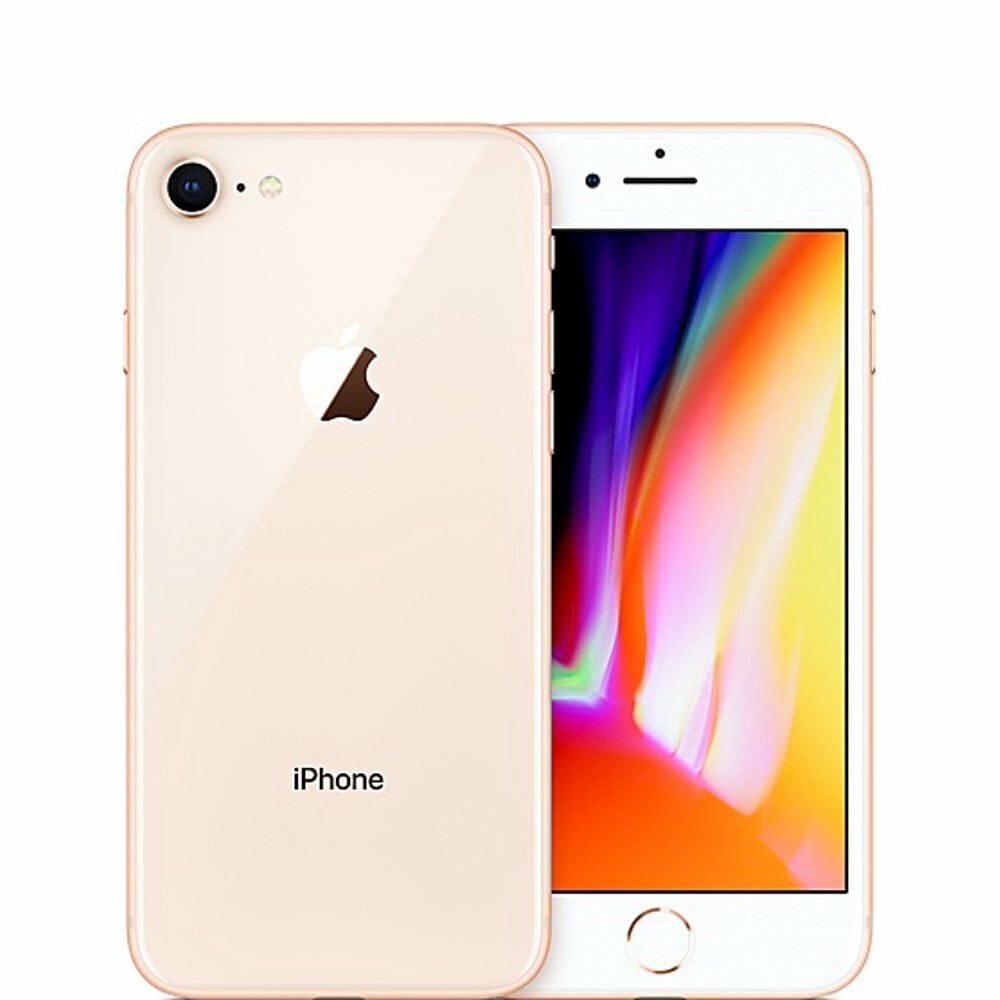
The iPhone 8, released by Apple in 2017, marked a significant step in smartphone evolution. This model introduced wireless charging and a glass design to the iPhone lineup. The iPhone 8 features a 4.7-inch Retina HD display, a powerful A11 Bionic chip, and a 12 MP camera capable of 4K video recording.
You might wonder how the iPhone 8 compares to newer models. While it lacks some of the latest features, it still offers solid performance for everyday use. The device runs on iOS, with updates available up to iOS 16.7.7, ensuring you have access to recent software improvements.
Here’s a quick look at some key iPhone 8 specifications:
| Feature | Specification |
|---|---|
| Display | 4.7-inch Retina HD |
| Processor | A11 Bionic chip |
| Camera | 12 MP rear, 7 MP front |
| Storage | 64GB or 256GB |
| Battery | 1821 mAh |
| Weight | 5.22 ounces (148 grams) |
iPhone 8 Specifications: Complete Technical Details and Features
Released in September 2017, the iPhone 8 marked a transition period for Apple—introducing wireless charging and a glass back while retaining the classic Home Button design. Even years later, many people still own or consider buying the iPhone 8 as a budget device.
This guide breaks down the complete technical specifications and evaluates whether the iPhone 8 is still a good choice in 2026.
iPhone 8 Key Specifications
General
- Release Date: September 22, 2017
- Model Numbers: A1863, A1905, A1906
- Operating System: iOS (upgradable, support ended after iOS 16)
- Build: Glass front and back, aluminum frame
- Colors: Space Gray, Silver, Gold, (PRODUCT)RED
Display
- Size: 4.7 inches
- Type: Retina HD LCD (IPS)
- Resolution: 1334 × 750 pixels
- Pixel Density: 326 ppi
- Technology: True Tone display
- Brightness: ~625 nits
- Refresh Rate: 60Hz
Performance & Hardware
Processor
- Chip: Apple A11 Bionic
- Architecture: 64‑bit, 6‑core CPU
- Neural Engine: Yes (first‑generation)
Memory & Storage
- RAM: 2GB
- Storage Options:
- 64GB
- 128GB
- 256GB
⚠️ No expandable storage.
Camera System
Rear Camera
- Single Lens: 12MP wide
- Aperture: f/1.8
- Optical Image Stabilization: Yes
- Video Recording:
- 4K at 60fps
- 1080p at 240fps (slow motion)
Front Camera
- Resolution: 7MP
- Aperture: f/2.2
- Video: 1080p HD
While it lacks modern computational photography, the camera still performs well in good lighting.
Battery & Charging
- Battery Capacity: ~1,821 mAh
- Charging Port: Lightning
- Wireless Charging: Yes (Qi standard)
- Fast Charging: Up to 50% in ~30 minutes (with compatible charger)
Battery health is a major factor in 2026—most original batteries will need replacement.
Connectivity
- 5G: ❌ No
- 4G LTE: ✅ Yes
- Wi‑Fi: 802.11ac
- Bluetooth: 5.0
- NFC: Yes (Apple Pay only)
- GPS: Yes, with GLONASS
- SIM: Nano‑SIM (no eSIM support)
Security & Sensors
- Touch ID: ✅ Yes (Home Button)
- Face ID: ❌ No
- Accelerometer, Gyroscope, Proximity, Barometer
- Apple Pay Support
Touch ID remains popular with users who prefer fingerprint unlocking.
Audio & Media
- Speakers: Stereo
- Headphone Jack: ❌ No
- Audio Formats: AAC, MP3, Apple Lossless, FLAC
- Video Formats: HEVC, H.264, MPEG‑4
Durability
- Water Resistance: IP67
- Up to 1 meter for 30 minutes
- Glass Back: Enables wireless charging but more fragile
Is the iPhone 8 Still Good in 2026?
✅ Pros in 2026
- Solid build quality
- Compact and lightweight design
- Reliable performance for basic tasks
- Touch ID support
- Affordable on the used market
- Still supports most common apps
❌ Cons in 2026
- No longer receives major iOS updates
- 2GB RAM limits multitasking
- Small battery by modern standards
- No 5G support
- Single rear camera
- Aging display compared to OLED screens
Who Should Still Use an iPhone 8?
The iPhone 8 can still make sense if you:
- Need a secondary or backup phone
- Want a small, simple iPhone
- Use basic apps (calls, texts, email, browsing)
- Are buying it very cheaply
- Are okay with limited future support
Who Should Avoid It?
You should look elsewhere if you:
- Want the latest iOS features
- Care about battery life and camera quality
- Need long‑term software updates
- Use heavy apps or mobile gaming
Final Verdict: iPhone 8 in 2026
Is the iPhone 8 still good in 2026?
Yes—for light use and as a budget device.
However, it’s no longer a good long‑term investment. For most users, newer models like the iPhone SE (3rd gen) or iPhone 11 and above offer better performance, battery life, and software longevity.
Design and Build
The iPhone 8 features a sleek design with premium materials and robust construction. It balances aesthetics and durability while maintaining a familiar form factor.
Materials and Colors
The iPhone 8 sports a glass front and back with an aluminum frame. This glass back enables wireless charging capabilities. Apple offers the device in three colors:
- Silver
- Gold
- Space Gray
The glass construction gives the iPhone 8 a premium look and feel. It’s more prone to fingerprints than its predecessors. A protective case is advisable to prevent cracks from accidental drops.
Dimensions and Weight
The iPhone 8 maintains a compact size for easy one-handed use. Here are its key measurements:
| Dimension | Measurement |
|---|---|
| Height | 138.4 mm |
| Width | 67.3 mm |
| Thickness | 7.3 mm |
| Weight | 148 g |
These dimensions make the iPhone 8 slightly lighter than some previous models. It fits comfortably in most pockets and bags.
Water and Dust Resistance
The iPhone 8 boasts an IP67 rating for water and dust resistance. This means:
- It can withstand submersion in up to 1 meter of water for 30 minutes.
- It’s protected against dust ingress.
While this rating offers protection against accidental spills or rain, it’s not designed for underwater use. Avoid intentionally submerging your device. The water resistance may decrease over time with normal wear.
Display
The iPhone 8 features a high-quality display with advanced technology. Its screen offers vibrant colors and sharp images for an enhanced viewing experience.
Screen Technology
The iPhone 8 boasts a Retina HD Display with IPS LCD technology. This screen type provides wide viewing angles and accurate color reproduction. The True Tone feature adjusts white balance based on ambient light. This makes images appear more natural in different lighting conditions.
Apple’s Retina display technology ensures crisp text and smooth graphics. The screen has a high pixel density that makes individual pixels indistinguishable to the human eye at normal viewing distances. This results in exceptionally clear and detailed visuals.
Size and Resolution
The iPhone 8 comes with a 4.7-inch display. Its compact size allows for comfortable one-handed use while still providing ample screen real estate. The resolution is 750 x 1334 pixels, delivering a pixel density of 326 pixels per inch (ppi).
This combination of size and resolution offers a good balance between clarity and energy efficiency. You’ll enjoy sharp images and text without excessive battery drain. The display also features:
- 16 million colors
- 625 nits max brightness
- 1400:1 contrast ratio
| Feature | Specification |
|---|---|
| Display Type | Retina HD IPS LCD |
| Size | 4.7 inches |
| Resolution | 750 x 1334 pixels |
| Pixel Density | 326 ppi |
| Protection | Ion-strengthened glass |
The screen is protected by ion-strengthened glass. This adds durability and resistance to scratches and everyday wear.
Performance and Hardware
The iPhone 8 packs powerful hardware that delivers smooth performance for everyday tasks and demanding apps. Its advanced chipset, ample memory, and long-lasting battery provide a responsive user experience.
Chipset and GPU
At the heart of the iPhone 8 lies the Apple A11 Bionic chip. This six-core processor features two high-performance cores and four energy-efficient cores. The A11 Bionic offers up to 70% faster performance for multi-threaded workloads compared to its predecessor.
The chip’s built-in GPU delivers outstanding graphics capabilities. You’ll notice smoother animations and improved gaming experiences. The A11 Bionic also includes a neural engine, enabling advanced machine learning tasks and augmented reality features.
With this powerful combination, you can expect swift app launches, seamless multitasking, and fluid navigation through the iOS interface.
Memory and Storage
The iPhone 8 comes equipped with 2GB of RAM, ensuring efficient multitasking and app performance. This amount of memory allows you to switch between apps quickly and keep multiple browser tabs open without slowdowns.
Storage options for the iPhone 8 include:
- 64GB
- 256GB
The larger capacity gives you ample space for apps, photos, videos, and other files. However, the iPhone 8 doesn’t support expandable storage via microSD cards.
Battery and Charging
The iPhone 8 features a 1821 mAh battery, providing up to 14 hours of talk time. While not the largest capacity, Apple’s optimization ensures it lasts through a full day of moderate use.
Key battery features include:
- Fast charging: Up to 50% charge in 30 minutes
- Wireless charging support (Qi standard)
- Battery health monitoring in iOS settings
The addition of wireless charging offers convenience, letting you top up your iPhone by simply placing it on a compatible charging pad. Fast charging capabilities mean less time tethered to an outlet when you need a quick power boost.
| Feature | Specification |
|---|---|
| Chipset | Apple A11 Bionic |
| CPU Cores | 6 (2 high-performance, 4 energy-efficient) |
| RAM | 2GB |
| Storage Options | 64GB, 256GB |
| Battery Capacity | 1821 mAh |
| Wireless Charging | Yes (Qi standard) |
| Fast Charging | Yes (50% in 30 minutes) |
Connectivity and Features
The iPhone 8 offers a range of connectivity options and features to enhance user experience. It supports various network technologies, SIM configurations, and mobile networks. The device also includes numerous sensors and security features for added functionality.
Network Technology
The iPhone 8 supports multiple network technologies for seamless connectivity. It’s compatible with 2G, 3G, and 4G LTE networks. The device works on GSM and HSPA networks globally.
4G LTE support enables fast data speeds for browsing and streaming. The iPhone 8 is compatible with numerous LTE bands, allowing use in many countries.
For local connectivity, the iPhone 8 includes Bluetooth for wireless accessory pairing. It also has NFC capabilities, enabling contactless payments through Apple Pay.
SIM and Mobile Networks
The iPhone 8 uses a Nano-SIM card for cellular connectivity. This small SIM format saves internal space while providing full network access.
The device supports various 2G, 3G, and 4G bands for wide compatibility:
- 2G: GSM 850/900/1800/1900
- 3G: HSDPA 850/900/1700/1900/2100
- 4G: LTE bands vary by model and region
This multi-band support allows the iPhone 8 to work on most carrier networks worldwide. Users can enjoy high-speed data and clear voice calls in many countries.
Sensors and Security
The iPhone 8 includes several sensors to enhance usability and security:
- Fingerprint sensor (Touch ID)
- Accelerometer
- Gyroscope
- Proximity sensor
- Ambient light sensor
- Barometer
Touch ID provides secure device unlocking and app authentication. It’s integrated into the home button for easy access.
The accelerometer and gyroscope enable motion sensing for gaming and fitness tracking. The proximity sensor turns off the screen during calls. The ambient light sensor adjusts screen brightness automatically.
For location services, the iPhone 8 uses GPS, GLONASS, Galileo, and QZSS. This combination improves positioning accuracy in various environments.
| Feature | Description |
|---|---|
| SIM Type | Nano-SIM |
| 4G LTE | Supported |
| NFC | Yes (for Apple Pay) |
| GPS | GPS, GLONASS, Galileo, QZSS |
| Sensors | Touch ID, accelerometer, gyro, proximity, compass, barometer |
Frequently Asked Questions
The iPhone 8 offers several key upgrades and features that set it apart from previous models. Here’s what you need to know about its specifications, differences from the Plus model, and other important details.
What are the key features of the iPhone 8?
The iPhone 8 comes with a 4.7-inch Retina HDR display featuring True Tone technology. This screen adapts to your environment for better viewing.
The device runs on Apple’s A11 Bionic chip. It has two performance cores that are 25% faster than the previous A10 Fusion chip.
Its four high-efficiency cores perform 70% faster than before. The phone also includes an Apple-designed GPU that’s 30% faster than its predecessor.
How does the iPhone 8 Plus differ from the iPhone 8 in terms of specifications?
The main difference lies in the screen size. The iPhone 8 Plus features a larger 5.5-inch display compared to the 4.7-inch screen on the standard iPhone 8.
The Plus model also includes a dual-camera system. This allows for additional photography features like Portrait mode and optical zoom.
What is the battery capacity of the iPhone 8?
Apple doesn’t publicly disclose exact battery capacities. However, they state the iPhone 8 can last about as long as the iPhone 7 on a single charge.
You can expect up to 14 hours of talk time or up to 12 hours of internet use on a full charge.
Can the iPhone 8 operate on 5G networks?
No, the iPhone 8 does not support 5G networks. It’s compatible with 4G LTE networks for cellular data connections.
5G support was introduced in later iPhone models starting with the iPhone 12 series.
What improvements does the iPhone 8 offer over previous models?
The iPhone 8 brings several enhancements:
- Faster A11 Bionic chip for improved performance
- Wireless charging capability
- True Tone display technology
- Improved camera with better low-light performance
- Glass back design for wireless charging
It also offers better water resistance with an IP67 rating. This means it can withstand submersion in up to 1 meter of water for 30 minutes.
What are the current pricing details for the iPhone 8?
As of October 2024, Apple no longer sells the iPhone 8 directly. It was discontinued in April 2020 with the release of the second-generation iPhone SE.
You may find refurbished or pre-owned iPhone 8 models through third-party retailers. Prices vary depending on condition and storage capacity.
| Model | Typical Price Range (Refurbished) |
|---|---|
| iPhone 8 64GB | $150 – $250 |
| iPhone 8 256GB | $200 – $300 |
Check with local retailers or online marketplaces for current availability and pricing.