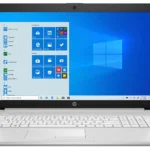
MBA students need powerful laptops to handle their demanding coursework. The right computer can make a big difference in their studies. The best laptops for MBA students have fast processors, long battery life, and enough memory to run multiple programs at once.
Choosing a laptop for an MBA program can be tricky. Some key things to look for are speed, portability, and reliability. Many MBA students like laptops with Intel Core i5 or i7 processors and at least 8GB of RAM. A solid-state drive (SSD) helps programs load faster. Battery life of 8 hours or more is also important for long days of classes and studying.
Popular laptop brands for MBA students include Apple, Dell, HP, and Lenovo. The MacBook Air and Pro are common choices for their sleek design and strong performance. Windows options like the Dell XPS and HP Envy offer good specs at lower prices. The right pick depends on each student’s needs and budget.
MBA Student Laptops
MBA students need laptops that are portable, reliable, and powerful enough to handle multitasking, presentations, data analysis, and video conferencing — all while offering strong battery life for long days on campus.
1. What to Look for in an MBA Laptop
- Portability: Under 3.5 lbs for easy carrying between classes.
- Battery life: At least 8–12 hours to last a full day.
- Performance: Latest-gen Intel Core i5/i7, AMD Ryzen 5/7, or Apple M-series chip.
- Display: 13–15 inches, Full HD or higher, with good brightness for outdoor use.
- Build quality: Durable chassis for frequent travel.
- Connectivity: USB-C, HDMI, and webcam for presentations and meetings.
2. Top Picks for MBA Students in 2025
Apple MacBook Air M4 (2025)
- Why it’s great: Ultra-portable, silent fanless design, all-day battery life (~18 hrs), excellent keyboard.
- Best for: Students in the Apple ecosystem who value reliability and battery life.
- Specs: Apple M4 chip, 8–16GB RAM, 256GB–1TB SSD, 13″ or 15″ Liquid Retina display.
- Price: From ~$1,099.
Dell XPS 13 Plus (2025)
- Why it’s great: Premium build, bright OLED option, strong performance for multitasking.
- Best for: Windows users who want a stylish, business-ready laptop.
- Specs: Intel Core Ultra 7, 16GB RAM, 512GB SSD, 13.4″ OLED or FHD+.
- Price: From ~$1,299.
Lenovo ThinkPad X1 Carbon Gen 12
- Why it’s great: Legendary keyboard, MIL-STD durability, excellent for heavy typing and presentations.
- Best for: Students who prioritize comfort, reliability, and business features.
- Specs: Intel Core Ultra 5/7, up to 32GB RAM, 14″ display, 2.48 lbs.
- Price: From ~$1,399.
Microsoft Surface Laptop 6
- Why it’s great: Lightweight, touch display, great webcam, long battery life.
- Best for: Students who want a clean Windows experience with premium design.
- Specs: Intel Core Ultra processors, up to 32GB RAM, 13.5″ or 15″ PixelSense touchscreen.
- Price: From ~$1,099.
HP Spectre x360 14 (2025)
- Why it’s great: 2-in-1 flexibility for note-taking, presentations, and streaming.
- Best for: Students who want tablet + laptop versatility.
- Specs: Intel Core Ultra 7, 16GB RAM, 512GB SSD, OLED touchscreen.
- Price: From ~$1,249.
3. Budget-Friendly Options
- Acer Swift Go 14 – Lightweight, solid performance under $900.
- ASUS Zenbook 14 – Great battery life and OLED display for ~$1,000.
- Chromebook Plus models – For students who mainly use web-based tools (under $600).
4. Quick Comparison Table
| Model | Weight | Battery Life | OS | Starting Price |
|---|---|---|---|---|
| MacBook Air M4 | 2.7–3.3 lbs | ~18 hrs | macOS | $1,099 |
| Dell XPS 13 Plus | 2.8 lbs | ~12 hrs | Windows | $1,299 |
| ThinkPad X1 Carbon | 2.48 lbs | ~15 hrs | Windows | $1,399 |
| Surface Laptop 6 | 2.8–3.4 lbs | ~16 hrs | Windows | $1,099 |
| HP Spectre x360 14 | 3.0 lbs | ~13 hrs | Windows | $1,249 |
✅ Bottom Line
- Best all-rounder: MacBook Air M4 — unbeatable battery life and portability.
- Best Windows choice: Dell XPS 13 Plus for style, or ThinkPad X1 Carbon for business durability.
- Best versatility: HP Spectre x360 14 for 2-in-1 flexibility.
- Best budget: Acer Swift Go 14 or ASUS Zenbook 14.
Key Takeaways
- MBA students need fast laptops with long battery life
- Look for Core i5/i7 processors, 8GB+ RAM, and SSDs
- Top brands include Apple, Dell, HP, and Lenovo
Key Factors for MBA Laptops
MBA students need laptops that can handle heavy workloads. The right device balances power, storage, and battery life for success in a demanding program.
Performance and Processor Speed
A fast processor is crucial for MBA students. Intel Core i5 or i7 chips work well for most tasks. AMD Ryzen processors are good too. These CPUs can run multiple programs at once.
Students often use spreadsheets and data analysis tools. A quick processor helps crunch numbers faster. It also keeps things smooth when switching between apps.
For high-end needs, consider laptops with the latest gen processors. They offer the best speed for complex projects and simulations.
Memory and Storage for Productivity
MBA work requires lots of RAM and storage. 16GB of RAM is ideal for multitasking. It lets students keep many browser tabs and programs open.
For storage, SSDs are best. They’re faster than hard drives. A 256GB SSD works for most students. Those who need more space should pick 512GB or 1TB SSDs.
Extra storage helps when working with large datasets or keeping many files on hand. Cloud storage can supplement laptop space too.
Long Battery Life and Portability
MBA students often work on the go. Long battery life is key. Look for laptops that last 8-12 hours on a charge.
Weight matters too. A laptop under 4 pounds is easy to carry to class or meetings. Thin designs fit well in backpacks or briefcases.
Some models offer quick charging. This feature can add hours of use in just 30 minutes. It’s handy for students with back-to-back classes or long study sessions.
Selecting the Ideal Laptop Brand and Model
MBA students need laptops that can handle heavy workloads. The right choice depends on personal needs and budget. Let’s look at some top options and key features.
Apple vs. Windows vs. Chromebook
Apple MacBooks are popular for their sleek design and long battery life. The MacBook Air with M2 chip is light and powerful. It’s great for students who often work on the go. Windows laptops offer more variety in price and features. The HP Spectre x360 and Dell XPS 15 are top picks. They have strong processors and good graphics. Chromebooks are cheaper but have fewer features. They work well for basic tasks and online work.
Business-Specific Features
MBA students need laptops with certain features. A good keyboard is crucial for typing long papers. A clear webcam helps with video calls. Fast Wi-Fi keeps you connected. Look for laptops with at least 16GB of RAM and a solid-state drive. These help run multiple programs at once. Some models have special graphics cards for data analysis. The ASUS ZenBook 14 is a good mix of power and price. It has a bright screen and long battery life. Make sure to pick a laptop with enough ports for your needs.