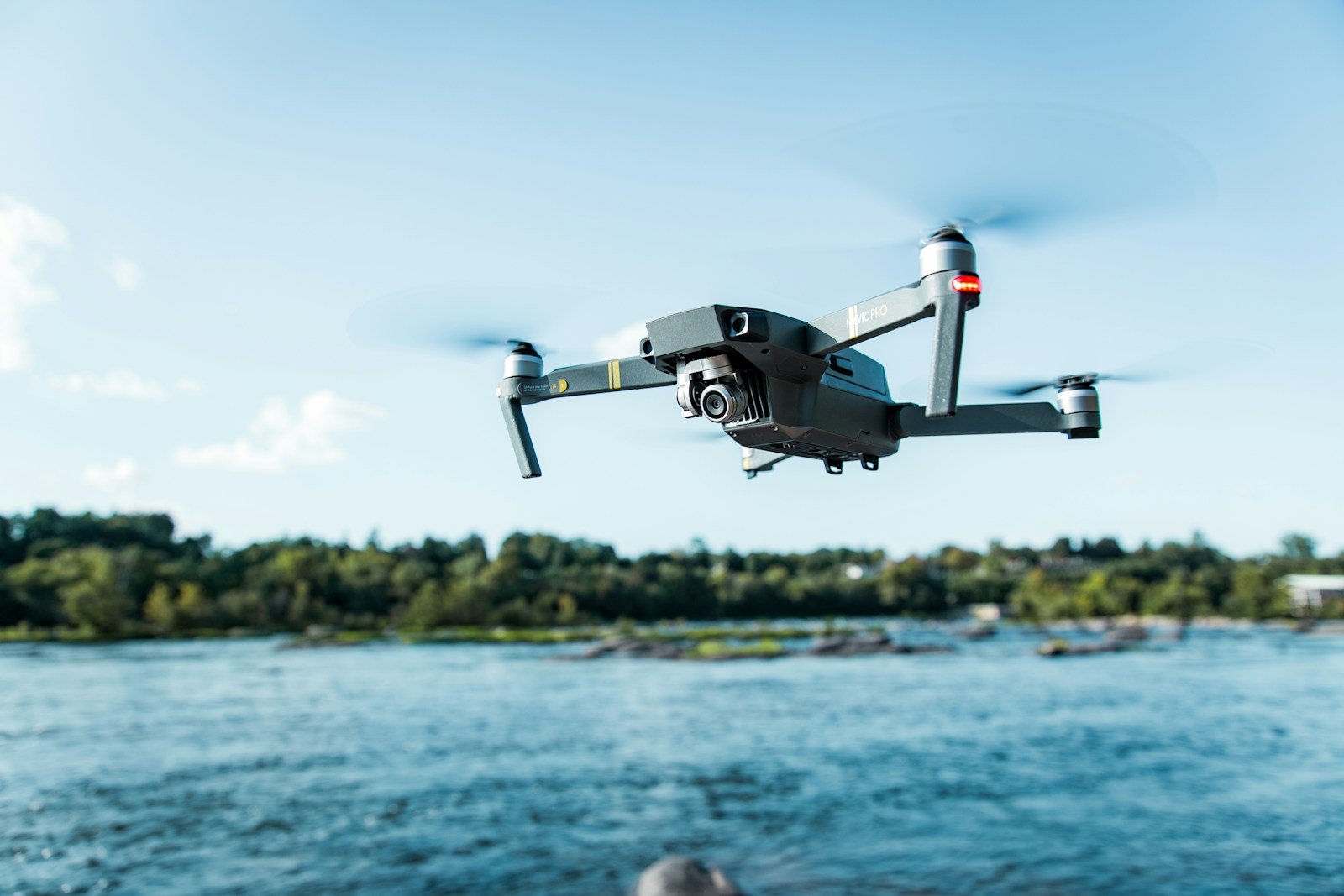
Drones have become a popular tool for capturing stunning aerial videos. They let us see the world from new angles and heights that were once impossible without expensive equipment. The best video drones combine ease of use, high-quality cameras, and smart features to help anyone create amazing footage.
Flying a drone opens up creative possibilities for both hobbyists and professionals. From recording family vacations to filming professional nature documentaries, these flying cameras have changed how we capture memories and tell stories. With so many options available in 2025, finding the right drone depends on your specific needs and budget.
1. DJI Air 3S
The DJI Air 3S stands out as one of the top contenders in the video drone market today. This lightweight flying camera combines portability with impressive video capabilities.
The drone features a 1-inch CMOS primary camera that delivers exceptional image quality. Alongside this main shooter, it includes a 70mm medium tele camera, giving users versatility for different shooting situations.
Video quality is a major strength of the Air 3S. It captures footage with up to 14 stops of dynamic range, allowing for better details in both shadows and highlights. This makes it perfect for filming in tricky lighting conditions.
Many reviewers consider it the best drone they’ve ever used. Its balance of features, image quality, and portability seems to hit a sweet spot for both hobbyists and professionals.
Travel photographers will find much to love about the Air 3S. Its compact size makes it easy to pack, yet it doesn’t sacrifice power. The drone holds up well in windy conditions, which is crucial when shooting outdoors.
DJI has improved the image processing in this model. The new platform helps create videos with better color accuracy and detail retention. This means less time fixing footage in post-production.
Battery life and range also impress most users. The Air 3S gives pilots enough flight time to capture longer sequences without constantly landing to swap batteries.
For those wondering if this is the ultimate travel drone, many content creators seem to think so. Its combination of size, camera quality, and durability makes it highly suited for documenting adventures.
The drone’s control system is intuitive, allowing even newer pilots to capture stable footage. Advanced features help with tracking subjects and creating complex shot movements without extensive pilot experience.
Price-wise, the Air 3S sits in the mid-to-high range. While not the cheapest option, most users feel the quality justifies the investment for those serious about aerial photography and videography.
2. DJI Mini 4 Pro
The DJI Mini 4 Pro stands out as one of the most capable small drones on the market today. Despite its compact size, this tiny powerhouse packs impressive features that make it ideal for beginners and experienced drone pilots alike.
Weighing under 250 grams, the Mini 4 Pro avoids many registration requirements in different countries. This makes it a convenient option for travelers and casual users who want to avoid paperwork.
The camera performance is a major highlight of this drone. It delivers excellent all-round image quality that can satisfy both photographers and videographers looking to add new perspectives to their work.
Battery life is another strong point. The Mini 4 Pro offers enough flight time to capture plenty of footage on a single charge, reducing the need to carry multiple batteries for short sessions.
For those concerned about crashes, this drone comes with a plethora of safety features. Its obstacle avoidance sensors help prevent collisions, making it more approachable for those new to drone flying.
The control system is user-friendly. Even those with little experience can quickly learn to fly the Mini 4 Pro with confidence. The intuitive controls respond well, giving pilots precise command over the drone’s movements.
Sound levels are another plus. According to user reports, the Mini 4 Pro operates quietly in low wind conditions. This makes it less intrusive when flying in public spaces.
Video transmission quality impresses as well. The drone maintains a stable connection with the controller, allowing for smooth real-time viewing of what the camera sees.
For those interested in getting the most from this drone, there are numerous settings guides available for 2025. These resources help pilots optimize their drone for different filming conditions.
Portability remains one of the Mini 4 Pro’s greatest strengths. Its foldable design makes it easy to carry in a small bag, allowing users to take it almost anywhere without added bulk.
3. DJI Mavic 3 Pro
The DJI Mavic 3 Pro stands out as a flagship camera drone with an impressive triple-lens system. This premium drone combines multiple focal lengths to give aerial photographers and videographers more creative options.
What makes this drone special is its camera setup. It features a 4/3 CMOS Hasselblad camera alongside dual tele cameras, allowing users to capture stunning images from various distances without sacrificing quality.
Flight capabilities are equally impressive. The Mavic 3 Pro can transmit signals up to 15 km away using DJI’s O3+ technology. This means pilots can fly farther while maintaining stable connections and clear camera views.
Many users consider it one of the best drones ever made. The control system makes flying enjoyable, with a great screen display and programmable buttons that help users customize their experience.
For those looking to invest in a complete package, the Fly More Combo includes additional accessories to enhance your filming experience. This combo provides everything needed for extended filming sessions.
The drone offers professional 4K video capabilities, making it suitable for serious content creators and filmmakers. Its range and stability allow for smooth footage even in challenging conditions.
Battery life exceeds many competitors, giving users more time in the air to capture the perfect shot. This matters when filming in remote locations where charging options are limited.
The Mavic 3 Pro is portable despite its advanced features. It folds down for easy transport, making it practical for photographers who travel frequently or need to hike to shooting locations.
While not the cheapest option on the market, users who need professional-quality aerial footage find the investment worthwhile. The versatility of the three-camera system eliminates the need for multiple specialized drones.
Advanced pilots appreciate the intelligent flight modes that allow for complex shots with minimal effort. These features help create cinematic sequences that would be difficult to capture manually.
4. Autel Evo Lite+
The Autel Evo Lite+ stands out in the drone market with some impressive features. This drone offers an exceptional 40-minute flight time, giving pilots about 30% more airtime than many competing models.
Camera quality is where this drone truly shines. The Evo Lite+ comes equipped with a 1-inch sensor capable of shooting 5.4K video. Some versions can even capture 6K footage, making it a strong choice for serious videographers.
Many drone enthusiasts consider the Evo Lite+ a solid alternative to DJI models. It’s often compared to the DJI Air 2S in terms of performance and features. The Wirecutter even named it the best option for someone wanting to avoid DJI products.
The Evo Lite+ features a folding design that makes it portable and easy to transport. This convenient form factor doesn’t compromise its stability or performance in the air.
Safety features include obstacle detection systems to help prevent crashes. This makes the drone more accessible to pilots of various skill levels who want to capture stunning aerial footage without accidents.
Battery life remains a key selling point. The extended flight time means fewer battery swaps and more continuous shooting, which professionals particularly appreciate during time-sensitive shoots.
The controller is intuitive, making flight control straightforward even for newer pilots. The companion app provides access to various intelligent flight modes and camera settings.
Price-wise, the Evo Lite+ sits in the under $2,000 category, positioning it as a premium but not top-tier option in terms of cost. For the features offered, many users find it provides good value.
While not perfect – some reviews mention the software isn’t as polished as competitors – the Autel Evo Lite+ delivers strong performance for videographers seeking high-quality aerial footage with extended flight times.
5. DJI Mini 3 Pro
The DJI Mini 3 Pro packs impressive features into a tiny frame weighing less than 249 grams. This weight keeps it below FAA registration requirements for many recreational users while still delivering professional-quality results.
The drone captures stunning 4K video and 48MP photos, making it a powerful tool for content creators. Its camera quality rivals much larger and more expensive drones on the market.
Flight time reaches an impressive 34 minutes per battery charge. This extended airtime gives users plenty of opportunity to capture the perfect shot without constantly landing to swap batteries.
One standout feature is the Mini 3 Pro’s tri-directional obstacle sensing system. Unlike previous mini drones, this model can detect and avoid obstacles, making it much safer for beginners and experienced pilots alike.
Many users find the Mini 3 Pro still worthwhile in 2025, despite newer models hitting the market. Its combination of portability and performance continues to make it a favorite among drone enthusiasts.
The drone supports ND filters that attach over the lens. These filters help control exposure in bright conditions, giving users more creative control over their footage.
Learning to fly this drone is straightforward. Beginners can master the basics quickly with just a few essential drone moves. The intuitive controls make it accessible even for those new to drone photography.
The Mini 3 Pro includes a Return to Home feature for added safety. If the battery runs low or connection is lost, the drone automatically flies back to its takeoff point.
For travelers and outdoor enthusiasts, the compact size makes a huge difference. The Mini 3 Pro folds down small enough to fit in a jacket pocket or small bag, making it easy to bring on adventures.
The New York Times’ Wirecutter has consistently ranked DJI drones among the best for photographers and videographers. While the Air 3S is their current top pick, the Mini 3 Pro remains an excellent choice for those prioritizing portability.
6. DJI Air 2S
The DJI Air 2S stands out as a powerful option for video creators. Released as an upgrade to the Mavic Air 2, this drone packs impressive features in a compact frame.
It comes equipped with a 1-inch CMOS sensor capable of capturing 20-megapixel photos and 5.4K video. The image quality is notably better than many similarly priced drones on the market.
Flight time reaches up to 30 minutes on a single charge, giving you plenty of time to get your shots. The drone can fly at speeds of up to 42 miles per hour, making it responsive when you need quick movements.
Many photographers consider the Air 2S one of the best drones for landscape photography. Its portability combined with high-quality imaging capabilities makes it perfect for outdoor adventures.
The Air 2S features Ocusync 3.0 transmission technology, offering excellent connection stability and range. This means fewer signal drops while flying, even in areas with some interference.
Weight and size are major advantages of this model. The foldable design makes it easy to pack in a backpack, yet it doesn’t feel too small or fragile like some mini drones.
Obstacle avoidance sensors help prevent crashes, giving new pilots more confidence. The drone can detect objects in multiple directions, though it’s still wise to fly carefully.
The controller design received upgrades from previous models, with users praising its comfort during extended flying sessions. It pairs with your smartphone to display the camera feed and flight data.
Though not the newest DJI model available, many users on Reddit still consider the Air 2S worthwhile even in 2023 and beyond. Its balance of features and price point continues to attract both hobbyists and professionals.
The drone performs well even at higher altitudes, operating effectively at over 16,000 feet. This makes it suitable for filming in mountainous regions where the scenery demands aerial photography.
Smart flight modes like ActiveTrack allow the drone to follow subjects automatically, creating smooth tracking shots with minimal pilot input. This feature helps even beginners capture professional-looking footage.
7. Yuneec Typhoon H3
The Yuneec Typhoon H3 is a professional-grade drone created through a partnership between Yuneec and Leica Camera AG. This collaboration brings Leica photography to the skies, offering photographers and videographers an exciting aerial option.
With its six-rotor design, the Typhoon H3 offers greater stability and safety than many four-rotor drones. If one motor fails, the drone can still fly and land safely, which gives peace of mind when filming important scenes.
Flight time is a strong point for the H3, with up to 25 minutes of air time per battery. This provides ample opportunity to capture footage without constant landing to swap batteries.
The camera is where this drone truly shines. The Leica-engineered camera delivers stunning image quality that many drone photographers seek. Some users have described it as a cinematic beast for its video capabilities.
The Typhoon H3 features a larger 1-inch sensor, similar to those found in other premium drones like the DJI Phantom 4 Pro and Mavic 2 Pro. This larger sensor allows for better low-light performance and improved dynamic range.
Weight is a consideration with this drone. The takeoff weight is approximately 2000g with the Leica camera attached, making it heavier than some competing models. This extra weight contributes to stability but requires registration in most countries.
While excellent for photography, this drone isn’t for everyone. It’s not recommended for beginners due to its professional features and price point. It requires some experience to fully utilize its capabilities.
The controller offers intuitive operation with a built-in screen, eliminating the need to mount your phone or tablet. This integrated approach means one less device to worry about when setting up for a shoot.
For those concerned about obstacles, the Typhoon H3 includes sensors to help prevent collisions. This feature is particularly useful when filming in tight spaces or near structures.
Competition with DJI models is inevitable, with some reviewers wondering if it could be a “Mavic killer”. While it offers different strengths, both brands have loyal followers for good reasons.
8. Parrot Anafi
The Parrot Anafi drone stands out as a compact, foldable option perfect for travelers and drone enthusiasts alike. Its lightweight design makes it easy to carry, while its quick deployment means you’ll spend less time setting up and more time capturing footage.
One of the Anafi’s most impressive features is its camera system. It shoots 4K video and captures 21-megapixel still photos. The camera can also save images in RAW format using Adobe DNG, giving photographers greater editing flexibility.
Battery life is a strong point for this drone. The Anafi offers up to 25 minutes of flight time on a single charge. Its intelligent Li-Po battery optimizes performance and charges quickly with the included USB Type-C charger.
The camera’s flexibility sets the Anafi apart from competitors. With a 180-degree tilt capability and 3x zoom, you can capture unique perspectives that many other drones simply can’t match. This makes it excellent for inspections and creative photography.
Temperature tolerance is another practical advantage. The Anafi can operate in conditions ranging from -10°C to 40°C, making it suitable for various environments and seasons.
While some users note that the video quality is beginning to show its age compared to newer models, it remains comparable to the original Mavic Air. For many users, this level of quality is more than sufficient for both personal and professional projects.
The Anafi shines in situations where portability matters. Its folding design takes up minimal space in a backpack, making it an excellent choice for hikers, travelers, and anyone who needs to carry their drone for extended periods.
Control of the Anafi is straightforward and user-friendly. The drone responds well to commands and offers stable flight performance even in moderately windy conditions.
For those concerned about noise, the Anafi operates more quietly than many competitors. This makes it less intrusive when filming in nature or in public settings where a noisy drone might attract unwanted attention.
9. Skydio 2+
The Skydio 2+ stands out as an impressive autonomous drone with remarkable tracking abilities. Its sophisticated automated flight controls make it simple to use, even for beginners.
What makes this drone special is its advanced collision avoidance system. The Skydio 2+ can follow you into tight spaces where other drones simply can’t go. This makes it perfect for capturing action shots in challenging environments.
The drone comes equipped with a professional camera featuring a 1/2.3 inch CMOS sensor. It takes 12 MP photos and shoots 4K60 HDR video, giving users crisp, clear footage in various lighting conditions.
Battery life has improved from previous models, allowing for longer flight times. This means more opportunities to capture the perfect shot without constantly needing to recharge.
The Skydio 2+ uses six 200-degree color cameras to see in all directions. This comprehensive vision system helps it navigate obstacles and maintain smooth tracking of subjects automatically.
For those wondering about camera quality compared to competitors, some users note that while excellent, the image quality isn’t quite on par with drones like the DJI Mavic 3 Pro. However, what it lacks in camera specs, it makes up for in autonomous flying capabilities.
Many users consider the Skydio 2+ the best autonomous drone on the market. Its tracking abilities are unmatched, making it ideal for solo adventurers who want to film themselves without a camera operator.
The drone is stable in flight and offers intuitive controls. Even in windy conditions, it maintains position well and continues to track subjects accurately.
For commercial applications, the Skydio 2+ can be a good choice depending on specific needs. While some professionals might prefer other options with higher-end cameras, the autonomous features make it valuable for certain specialized uses.
10. DJI FPV Combo
The DJI FPV Combo gives pilots a fresh take on drone flying with its first-person view experience. Unlike traditional drones, this model lets you see exactly what the drone sees through special goggles, creating an immersive flight experience.
This ready-to-fly package includes everything needed to get started: the drone, goggles, controller, and batteries. The setup process is straightforward, making it accessible even for newcomers to FPV flying.
The drone captures stunning 4K footage at 60fps, perfect for action videos and dramatic landscape shots. Its camera features a super-wide 150° field of view that captures more of the scenery in each frame.
Speed is where this drone truly shines. It can reach up to 87 mph in manual mode, giving thrill-seekers plenty of excitement. For beginners, the normal and sport modes offer more controlled flying experiences with safety features enabled.
HD low-latency transmission means what you see in the goggles matches the drone’s position in real-time. This responsive connection is crucial for precise flying, especially at high speeds or around obstacles.
Many pilots still choose the DJI FPV in 2024 despite newer models on the market. Its combination of speed, camera quality, and ease of use continues to impress drone enthusiasts.
Some users describe it as a “glass cannon” – powerful but requiring careful handling. Its durability isn’t as robust as some other models, so pilots should practice in open areas before attempting complex maneuvers.
The DJI FPV is FAA Remote ID compliant, an important consideration for legal flying in the US. This built-in compliance saves pilots from needing additional equipment to meet regulations.
Battery life runs about 20 minutes per flight, which is reasonable for a high-performance FPV drone. Most pilots recommend having extra batteries on hand for extended flying sessions.
The best FPV drone shots often come from this model, thanks to its stable flight characteristics and image quality. From sweeping mountain views to dynamic follow shots, the creative possibilities are impressive.
Understanding Video Drones
Video drones combine flight technology with cameras to capture stunning aerial footage. They’ve transformed filmmaking, photography, and recreational flying with their ability to reach perspectives previously impossible.
Key Features to Look For
When shopping for a video drone, camera quality is crucial. The best drones for photography and video typically offer at least 4K resolution. Many popular models like the DJI Mini 4 Pro provide excellent image quality in a compact package.
Flight time matters too. Most consumer drones fly for 20-35 minutes per battery charge. Longer flight times mean more shooting opportunities before landing.
Control range affects where you can fly. Better drones maintain connections up to 10 kilometers away, though regulations often require keeping your drone within visual line of sight.
Other important features include:
- Stabilization (gimbal quality)
- Obstacle avoidance sensors
- Automated flight modes (follow-me, orbit, waypoints)
- Wind resistance rating
- Size and portability
How Video Drones Work
Video drones use multiple propellers (usually four) controlled by flight computers that adjust motor speeds thousands of times per second. This system keeps the drone stable even in light winds.
The brain of the drone is its flight controller. This computer processes data from gyroscopes, accelerometers, barometers, and GPS to maintain position and follow flight commands.
Camera systems typically mount on mechanical gimbals that counteract the drone’s movements. This technology keeps footage smooth despite the drone tilting or moving through the air.
Modern drones like those recommended by PCMag use vision positioning systems with downward-facing cameras to maintain stable hovering indoors where GPS signals are weak.
Most video drones stream live footage to your phone or controller screen while recording higher-quality video to internal storage cards.
Tips for Capturing Stunning Video
Flying a drone is exciting, but getting great footage takes skill. Here are practical tips to improve your drone videos.
Move Slowly: One of the best tips for beginners is to reduce your drone speed to about 1/3 of what you might think is good. Slower movements create more cinematic results.
Plan Your Shots: Most amazing drone footage comes from careful planning before takeoff. Scout locations ahead of time and visualize your shots before flying.
Smooth Movements: Jerky camera movements ruin good footage. Practice gentle starts and stops, and use the drone’s built-in flight modes to help with stability.
Try Different Angles:
- Bird’s eye view (directly above)
- Reveal shots (starting low then flying up)
- Follow shots (tracking a subject)
- Orbit moves (circling around a point of interest)
Use Special Flight Modes: Many modern drones offer Course Lock and Waypoints features that create smooth, professional-looking movements automatically.
Lighting Matters: The golden hours (early morning and late afternoon) provide beautiful, soft lighting for drone footage. Avoid shooting at midday when shadows are harsh.
Edit with Purpose: Even the best raw footage needs good editing. Cut out takeoffs, landings, and any shaky parts. Keep only the smoothest, most interesting segments.
Weather Awareness: Light wind is manageable, but strong gusts create shaky footage. Check weather conditions before flying to ensure optimal filming conditions.
Frequently Asked Questions
Video drones come with many technical specs and price points that can be confusing. These common questions will help you understand what to look for when selecting your next video drone.
What are the top features to look for in a video drone under $500?
For drones under $500, focus on battery life, camera resolution, and stability features. A good drone in this range should offer at least 25-30 minutes of flight time.
Look for a camera with at least 1080p resolution, though many affordable models now offer 4K. The DJI Mini 3 Pro provides excellent value with its 4K camera despite being compact.
Gimbal stabilization is crucial for smooth footage. Also check for features like return-to-home, obstacle avoidance, and intelligent flight modes which make flying easier.
Which drones are known for the best camera quality at an affordable price?
The DJI Mini 4 Pro stands out with its 4K/60fps video capabilities and 48MP photos at a mid-range price point. It offers impressive low-light performance too.
The Autel Evo Lite+ delivers a 1-inch CMOS sensor and can shoot 6K video, making it a strong competitor in the affordable quality category.
For those on tighter budgets, the DJI Mini 3 Pro offers remarkable 4K video quality and a 3-axis gimbal at a price that won’t break the bank.
Can you suggest some video drones that are ideal for professional photography?
The DJI Mavic 3 Pro is a top choice for professionals with its Hasselblad camera system and ability to capture 5.1K video. Its 4/3 CMOS sensor produces stunning image quality in various lighting conditions.
DJI Air 3S offers professional-grade features like 10-bit D-Log color profile and advanced tracking capabilities. This makes it perfect for cinematographers who need versatility.
For production companies, the Autel Evo Lite+ provides 6K video resolution and advanced camera controls that rival much more expensive options.
What makes a drone suitable for beginners interested in video capturing?
Beginner-friendly drones should have intuitive controls and plenty of automated flight modes. The DJI Mini series is excellent for new pilots due to its simple controller design.
Weight is another consideration—drones under 250g like the DJI Mini 4 Pro have fewer regulatory requirements, making them easier for beginners to use legally.
Look for drones with good stability, crash avoidance sensors, and beginner flight modes. Long battery life also helps new users practice without constant recharging.
Are there any high-quality video drones that can be used by YouTubers?
YouTubers often prefer the DJI Air 3S for its combination of portability and professional image quality. Its automatic tracking features are perfect for solo creators.
The Autel Evo Lite+ offers excellent file format options, including RAW photos and high-bitrate video that gives creators flexibility in post-production.
Battery life matters for content creators—look for drones offering 30+ minutes of flight time to capture enough footage for YouTube videos without constant landing.
How much should I budget for a reliable video drone that delivers high-quality footage?
For entry-level but reliable video drones, budget around $500-800. The DJI Mini 3 Pro fits in this range while offering impressive 4K video capabilities.
Mid-range options ($800-1,500) like the DJI Air 3S and Autel Evo Lite+ provide substantial upgrades in camera quality and flight features that justify their price.
For professional-grade footage, expect to spend $1,500-2,500 on models like the DJI Mavic 3 Pro, which delivers cinema-quality results that can be used for commercial projects.