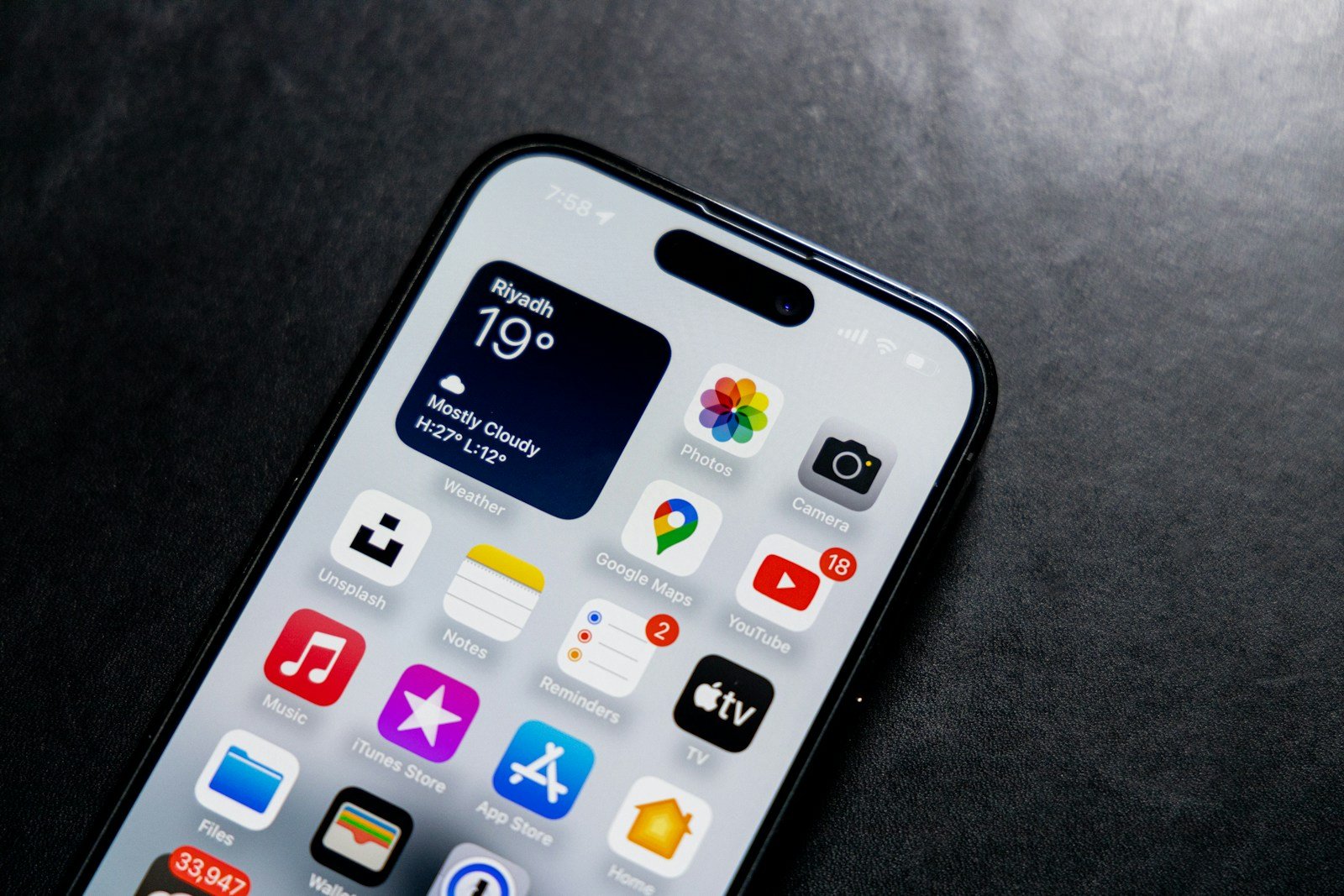
The cost of a phone can be a significant consideration for consumers looking to purchase a new device. With ever-advancing technology, smartphones have become integral to daily life, offering a range of features and capabilities. Prices for phones vary widely, influenced by factors such as brand, features, and the materials used in construction. High-end smartphones, like the latest iPhone from Apple or the premium Android devices from Samsung and Google, often come with a hefty price tag. They boast state-of-the-art technology and cutting-edge design, which contribute to their higher costs.
On the other hand, more affordable options are available for those who do not require advanced features. Manufacturers offer a variety of smartphones that cater to budget-conscious buyers, delivering essential functions without the premium price. Brands like Motorola and OnePlus produce models that emphasize value, providing satisfactory performance and battery life at a lower cost. Deciding how much to spend on a phone hinges on individual needs and priorities, as well as the trade-offs one is willing to make between functionality and expense.
How Much Money Is a Phone? (2026 Price Guide)
The cost of a phone in 2026 ranges anywhere from $40 for a basic prepaid device to $2,000+ for premium foldables. Most people, however, spend $400 or more on a standard smartphone.
The exact price depends on:
- Brand
- Storage size
- Camera quality
- Processor performance
- Display technology
- Whether it’s a foldable model
Let’s break it down.
📱 Phone Prices by Category
💰 Budget Phones ($40 – $300)
Best for:
- Calls, texts, social media
- Light streaming
- Students or backup devices
Examples (2026 pricing):
- Motorola Moto G Play (2026) – ~$40
- Samsung Galaxy A15 5G – ~$60
- Samsung Galaxy A26 5G – ~$169
These phones are affordable but may have:
- Slower processors
- Basic cameras
- LCD displays instead of OLED
⚖️ Mid‑Range Phones ($400 – $800)
Best balance of price and performance.
Examples:
- iPhone 15 – ~$630
- Samsung Galaxy S25 FE – ~$650
- Samsung Galaxy S25 – ~$800
These phones typically include:
- Strong cameras
- Fast processors
- OLED displays
- 5G support
- Solid battery life
This is the most popular price range for consumers.
🔥 Flagship & Premium Phones ($1,000 – $2,000+)
These are the top-tier devices with cutting-edge features.
Examples:
- Google Pixel 10 Pro XL – ~$1,200
- Samsung Galaxy S26 Ultra – $1,299.99
- Samsung Galaxy Z Fold7 – ~$2,000
Premium phones often include:
- Advanced AI features
- 120Hz+ displays
- Professional-level cameras
- Titanium or premium builds
- Massive storage options
- Foldable screens (on select models)
🍎 How Much Is an iPhone in 2026?
Here’s current pricing for the iPhone 17 lineup:
iPhone 17 Series (Starting Prices)
- iPhone 17e – From $599 (value option)
- iPhone 17 – From $799 (base model)
- iPhone Air – From $999 (thinnest model)
- iPhone 17 Pro – From $1,099
iPhone 17 Key Details
- Base model now starts at 256GB storage
- 6.3-inch display
- ProMotion up to 120Hz
- 48MP camera
- A19 chip
- New “Magichromatic” color finish
iPhone 17 Pro Pricing by Storage
- 256GB – $1,099
- 512GB – $1,299
- 1TB – $1,499
Trade-In Deals
- Apple: $35–$685 credit
- Best Buy: Up to $1,100 off with eligible trade-ins
- Carriers (AT&T, Verizon): Significant promotional credits
🤖 How Much Is a Samsung Phone in 2026?
Samsung Galaxy S26 Series Pricing
- Galaxy S26 (256GB) – $899.99
- Galaxy S26 (512GB) – $1,099.99
- Galaxy S26+ – Starts at $1,099.99
- Galaxy S26 Ultra – $1,299.99 to $1,799.99 (1TB)
Key Features
- Snapdragon 8 Elite Gen 5 chip
- Larger 6.3-inch display (base model)
- Improved battery life
- New colors: Silver Shadow, Pink Gold, Cobalt Violet, Sky Blue, White, Black
Promotions
- Up to $900 off with trade-ins
- Samsung financing: About $37.50/month for base model (24 months)
- Best Buy bonuses: $50–$100 gift cards
💵 What About Used Phones?
Buying used can save hundreds.
Examples:
- Google Pixel 8 Pro (Used) – ~$259
- Older flagships (2024 models) – $300–$500
Used phones are ideal if:
- You want flagship performance without flagship prices
- You don’t need the newest features
- You’re comfortable buying refurbished
📊 Average Smartphone Cost in 2026
| Type | Typical Price |
|---|---|
| Basic/Prepaid | $40 – $300 |
| Mid‑Range | $400 – $800 |
| Flagship | $1,000 – $1,500 |
| Foldable Premium | $ |
Key Takeaways
- Smartphone prices range based on brand, features, and quality.
- Premium phones from Apple and Samsung offer advanced technology at higher prices.
- Budget-friendly alternatives provide essential features for cost-conscious consumers.
Cost Factors and Considerations for Phones
When considering how much money a phone will cost, it’s important to look at various factors from hardware to extra services.
Hardware Specifications
Smartphones come with different hardware features that can affect cost. High-end phones might have OLED displays which offer better colors and contrast than standard screens. More advanced camera systems can drive the price up too. Battery life and performance are also key, with powerful processors like Snapdragon increasing the cost. For example, a phone with a long-lasting battery and fast performance will be pricier than a basic model.
Software and Ecosystem
Android 13 and iOS are two common software types for phones. An up-to-date operating system might mean better security and more apps. Phones with a full ecosystem, like the iPhone with iCloud and the Apple Store, might cost more because of the seamless experience they offer. Software support and security updates are important. A phone that gets regular updates might be more expensive but could be worth it for better security.
Carrier and Connectivity Options
Your choice of wireless carrier—such as T-Mobile, Verizon, or AT&T—can affect monthly costs. Some carriers might offer better deals on phones if you sign up for their service plan. The type of connectivity, like 5G or LTE, is important. A phone that supports 5G will often be more expensive than one that doesn’t.
Brand and Model Variations
Brands like Apple and Samsung release different models. The iPhone 15, Google Pixel 7, or Samsung Galaxy S24 Ultra represent flagship models that will usually cost more than a budget phone. Foldable phones are a newer design that comes at a premium too. Each brand and model variation comes with its unique pricing based on features and market position.
Purchasing Channels and Payment Options
You can buy phones through different channels like carrier stores, online, or physical retail shops. Options like buying an unlocked phone directly might cost more upfront compared to getting it through a carrier with a payment plan. Some companies offer trade-ins where you can get an Apple Gift Card or credit towards your new phone. Various financing options exist too, like monthly installments through Goldman Sachs Bank USA for the Apple Card.
Additional Features and Services
Phones can come with extra features like wireless charging, water resistance, and different design elements that can affect the price. Services like AppleCare+ add to the cost but offer extended warranty and support. Phones with different fast charging or wired charging capabilities can vary in price as well. Sometimes it’s the little things like the quality of materials used in the phone’s design that change its cost.