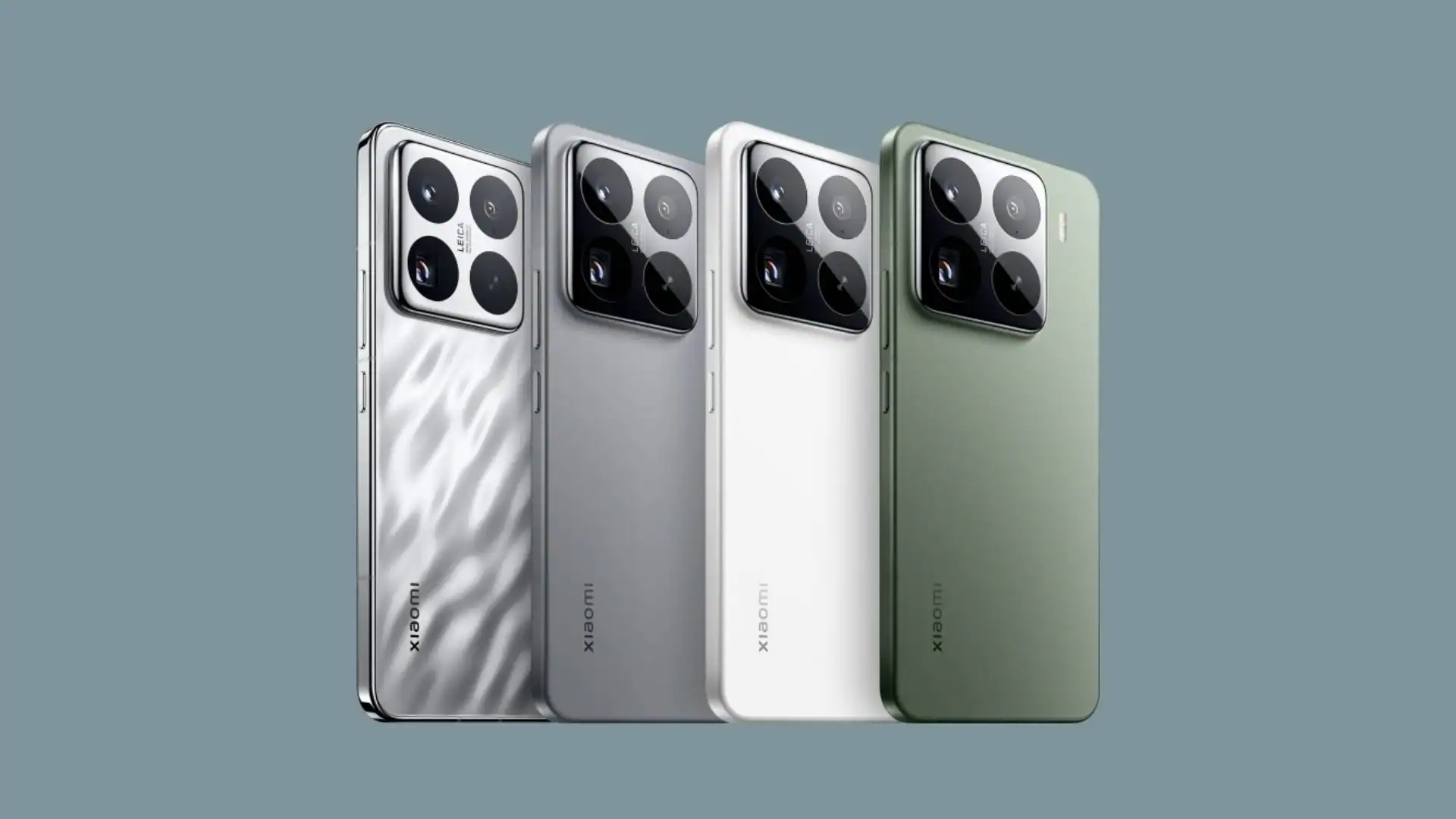
Xiaomi, a leading technology company from China, has made significant strides in the global smartphone market. Despite its popularity around the world, Xiaomi’s presence in the United States has been limited. This is primarily because the company does not officially sell its phones through carriers in the US market. Consumers in the US still have the option to buy Xiaomi devices through online retailers such as Amazon, eBay, and Newegg.
For those interested in Xiaomi’s products in the United States, it’s important to consider network compatibility. While Xiaomi phones can operate in the US, potential buyers should verify that the devices are compatible with the local network frequencies and bands. This ensures the phone will function properly and connect to mobile services without issues. Additionally, recent developments have improved Xiaomi’s standing in the United States, with the company being removed from a trade blacklist, simplifying its operations and reducing barriers for consumers.
Does Xiaomi Work in the United States? A Complete Guide
Xiaomi is one of the world’s largest smartphone brands, known for offering powerful devices at competitive prices. If you’re considering buying a Xiaomi phone or already own one, you may be wondering: Does Xiaomi work in the United States?
The short answer is yes—but with important limitations. This guide explains everything you need to know before using a Xiaomi device in the U.S.
Can You Use a Xiaomi Phone in the United States?
Yes, Xiaomi phones can work in the United States, but Xiaomi does not officially sell or support phones in the U.S. market. This means:
- Devices are usually imported (global versions)
- Compatibility depends heavily on carrier support and network bands
- Customer support and warranty options are limited
Network Compatibility: The Most Important Factor
U.S. carriers rely on specific LTE and 5G bands. Many Xiaomi phones support only a subset of these bands, which directly affects coverage and performance.
Key U.S. Network Bands
- LTE: Bands 2, 4, 5, 12, 13, 17, 66, 71
- 5G: n41, n77, n78, n260, n261
Xiaomi Band Support
Most Xiaomi global models support:
- LTE Bands: 2, 4, 5 (common)
- Limited support for Band 12, 17, and 71
- Partial 5G support, often missing key U.S. 5G bands
This means:
- Coverage may be inconsistent
- Indoor signal strength can be weaker
- Rural areas may have poor or no service
Carrier Compatibility in the U.S.
T-Mobile (Best Option)
✅ Most compatible U.S. carrier for Xiaomi
- GSM-based network
- Supports many bands used by Xiaomi phones
- Works best in urban areas
Limitations:
- Band 71 (important for rural coverage) often missing
- 5G support may be limited
AT&T (Limited)
⚠️ Hit or miss
- Requires devices to be on AT&T’s approved whitelist
- Many Xiaomi models are not officially supported
- Features like VoLTE and Wi-Fi calling may not work
Verizon (Not Recommended)
❌ Generally incompatible
- Strict device certification
- Many Xiaomi phones fail to activate
- CDMA legacy restrictions (even after CDMA shutdown)
5G Performance in the U.S.
Even if a Xiaomi phone advertises 5G:
- U.S. 5G bands may not be fully supported
- Speeds may be closer to LTE in practice
- mmWave 5G is almost never supported
For most users, Xiaomi phones function best as LTE devices in the U.S.
Software, Updates, and Google Services
Global ROM vs China ROM
- Global ROM: Includes Google services, English language, and Play Store
- China ROM: No Google services by default; not recommended for U.S. users
Always buy a global version for the best experience.
Updates
- MIUI / HyperOS updates work normally
- Security updates depend on the model and region
- No U.S.-specific carrier optimizations
Calling, Texting, and Features
✅ Voice calls and SMS usually work
⚠️ VoLTE may not work on some carriers
❌ Wi-Fi calling often unsupported
✅ Data and messaging apps work fine
Lack of VoLTE support can cause call issues on some networks.
Warranty and Support in the U.S.
- No official Xiaomi service centers in the U.S.
- Warranty claims may require shipping overseas
- Repairs and parts availability are limited
This is a major consideration for long-term use.
Who Should Consider a Xiaomi Phone in the U.S.?
Good choice if you:
- Use T-Mobile or an MVNO on T-Mobile
- Live in a city or suburban area
- Want strong hardware at a lower price
- Are comfortable with limited support
Not ideal if you:
- Use Verizon or AT&T
- Live in rural areas
- Rely on Wi-Fi calling or full 5G coverage
- Want easy warranty support
Final Verdict: Does Xiaomi Work in the United States?
Yes, Xiaomi phones can work in the U.S.—but with compromises.
They are best suited for T-Mobile users in urban areas who prioritize value over full network compatibility. For users who want hassle-free activation, strong rural coverage, and full carrier support, officially sold brands like Apple, Samsung, or Google remain the safer choice.
Before buying, always check band compatibility for your specific Xiaomi model and U.S. carrier to avoid disappointment.
Key Takeaways
- Xiaomi is a popular brand worldwide but has a limited official presence in the US market.
- Consumers in the US can purchase Xiaomi devices online, although network compatibility should be checked.
- Xiaomi’s legal standing in the US has cleared up, allowing for fewer restrictions for its market participation.
Xiaomi’s Compatibility and Functionality in the United States
Xiaomi smartphones bring a mix of affordability and technology to the US market, but they must align with specific network bands and regulations. Consumers should weigh network support against company ethics and service availability.
Network Compatibility and Carrier Support
Xiaomi phones often support major network technologies like 4G LTE and 5G. For instance, the 5G-capable Xiaomi Mi 11 works well with T-Mobile’s bands n71, n41, and n260/n261. Yet, not all Xiaomi devices will function with every carrier. Verizon and US Cellular rely on CDMA technology, which Xiaomi phones typically do not support. On the other hand, GSM operators like AT&T and T-Mobile offer better compatibility.
Market Presence and Consumer Considerations
Despite not being as established as brands like Apple or Samsung, Xiaomi is making its mark in the US. The brand is known for high-quality smartphones at competitive prices. Xiaomi’s market presence in the US also depends on the consumers’ demand for a strong price to quality ratio in technology.
Regulatory Landscape and Trade Relations
Xiaomi faced challenges with the US government, including being placed on a blacklist under claims of ties to the Chinese military. This was contested and later reversed. These actions showed the complexities of international trade relations and their impact on the availability of Xiaomi devices in the US.
Consumer Services and After-Sales Support
After buying a Xiaomi device, service and support can be an issue. Xiaomi has limited official presence in the US, so warranty claims and repairs might require dealing with overseas customer service. Mint Mobile and Google Fi are among carriers that provide more consistent coverage for Xiaomi phones.
Company Background and Culture
Founded by Lei Jun in 2010, Xiaomi is based in China. The company values transparency and has become known for its Android-based MIUI operating system. Xiaomi’s president emphasizes a corporate philosophy focused on providing high-quality electronics at reasonable prices, and the company is publicly traded, suggesting financial transparency.