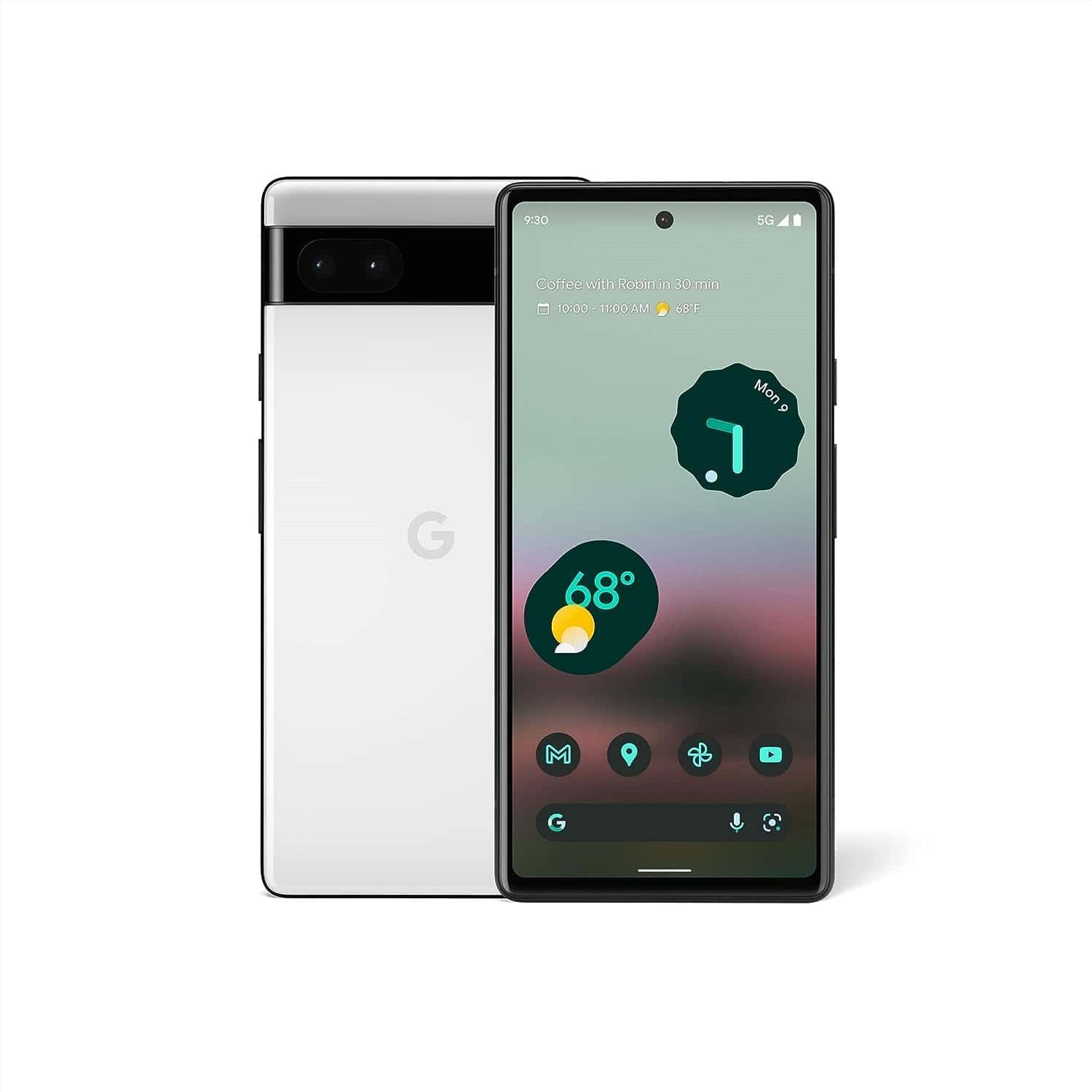
In the competitive world of smartphones, Google has made significant strides with the launch of the Google Pixel 6 and Pixel 6 Pro. Both models showcase Google’s dedication to integrating its software and hardware, optimizing the newest Android 12 operating system. The Pixel 6 stands out with a bold new design and Google’s custom-made Tensor chipset, enhancing overall performance and AI capabilities. While both phones share this innovative processor and a fresh approach to design, they cater to different user preferences through distinct features and capabilities.
The Google Pixel 6 attracts users with its 6.4-inch FHD+ display, appealing to those who prefer a more compact device without sacrificing screen clarity. The Pixel 6 Pro, on the other hand, boasts a larger 6.7-inch display, offering a premium experience through its higher resolution and refresh rate. When it comes to photography, both phones present upgraded camera systems, yet the Pixel 6 Pro takes an edge with an additional telephoto lens, enabling superior zoom capabilities. These differences in screen size, display quality, and camera hardware result in varying experiences for the end-user.
Updates and support also play a crucial role in the longevity of a smartphone, and Google promises to provide timely software and security updates for both models. This ensures that both the Pixel 6 and Pixel 6 Pro remain secure and up to date, further enhancing their appeal to Android enthusiasts. With these considerations in mind, users must weigh the specifics of each device’s specs to make an informed choice based on their individual needs.
Google Pixel 6 vs Google Pixel 6 Pro: Specs Guide
The Google Pixel 6 and Pixel 6 Pro, released together in 2021, marked a major shift for Google with the introduction of its first in‑house chipset: Google Tensor. While they share the same core DNA, there are key differences in display, camera hardware, battery size, and premium features.
This guide breaks down the specs clearly so you can see which Pixel 6 model best fits your needs—even in 2026.
Key Differences at a Glance
- Pixel 6 Pro adds a larger, higher‑resolution display with LTPO technology
- Pixel 6 Pro includes a dedicated telephoto camera
- Pixel 6 is more compact and affordable
- Both share the same processor, software experience, and main camera sensor
Display & Design
- Pixel 6
- 6.4‑inch OLED display
- Flat screen
- 90Hz refresh rate
- Pixel 6 Pro
- 6.7‑inch LTPO OLED display
- Curved edges
- Adaptive 120Hz refresh rate
The Pro’s LTPO panel allows the refresh rate to scale down for better battery efficiency.
Performance
Both models are powered by:
- Google Tensor (1st gen)
- Titan M2 security chip
- Optimized for AI‑driven features like:
- Live Translate
- Magic Eraser
- On‑device voice processing
Performance is identical in day‑to‑day use.
Camera Systems
Pixel 6 Camera Setup
- 50MP wide (Samsung GN1)
- 12MP ultra‑wide
- No telephoto lens
Pixel 6 Pro Camera Setup
- 50MP wide
- 12MP ultra‑wide
- 48MP telephoto (4× optical zoom)
Both models deliver:
- Excellent computational photography
- Industry‑leading HDR
- Strong low‑light performance
Battery & Charging
- Pixel 6: 4,614 mAh
- Pixel 6 Pro: 5,003 mAh
Charging features (both):
- Wired fast charging
- Wireless charging
- Battery Share (reverse wireless charging)
Software & Updates
- Launched with Android 12
- Pixel‑exclusive features
- Strong long‑term update support (security updates through 2026)
Google Pixel 6 vs Pixel 6 Pro Specs Table
| Feature | Google Pixel 6 | Google Pixel 6 Pro |
|---|---|---|
| Display | 6.4″ OLED, FHD+ | 6.7″ LTPO OLED, QHD+ |
| Refresh Rate | 90Hz | 120Hz (adaptive) |
| Processor | Google Tensor | Google Tensor |
| RAM | 8GB | 12GB |
| Storage | 128GB / 256GB | 128GB / 256GB / 512GB |
| Main Camera | 50MP wide | 50MP wide |
| Ultra‑Wide | 12MP | 12MP |
| Telephoto | ❌ | 48MP, 4× optical |
| Front Camera | 8MP | 11.1MP |
| Battery | 4,614 mAh | 5,003 mAh |
| Charging | Wired & wireless | Wired & wireless |
| Face Unlock | ✅ | ✅ |
| In‑Display Fingerprint | ✅ | ✅ |
Which One Should You Choose?
Choose the Pixel 6 if you want:
- A smaller, more manageable phone
- The same core camera and software experience
- Better value at lower prices
Choose the Pixel 6 Pro if you want:
- A larger, sharper display
- 120Hz adaptive refresh rate
- Optical zoom for photography
Final Verdict
The Pixel 6 and Pixel 6 Pro share the same performance foundation, but the Pro version adds premium display tech and camera versatility. Even years after launch, both phones remain excellent choices for users who value clean Android software and computational photography over raw hardware power.
Key Takeaways
- The Google Pixel 6 and 6 Pro highlight Google’s own Tensor chipset on Android 12.
- Differences like screen size and camera capabilities set the Pixel 6 and 6 Pro apart.
- Long-term software updates ensure both devices stay current and secure.
Comparative Analysis of Google Pixel 6 and Pixel 6 Pro
The Google Pixel 6 and Pixel 6 Pro are flagship phones with differences in display, camera, and other key areas.
Design and Display
The Google Pixel 6 features a 6.4-inch OLED display, while the Pixel 6 Pro boasts a larger 6.7-inch screen. With the Pro’s display being curved and both using Gorilla Glass Victus for protection, visibility and durability are top-notch. The Pixel 6 Pro also has a higher refresh rate, providing smoother motion. In terms of brightness, each phone presents vibrant colors and deep blacks characteristic of OLED technology.
Performance and Hardware
At the heart of both devices is Google’s Tensor chip, ensuring snappy performance across the board. They come with ample RAM and offer different storage options with the faster UFS 3.1 standard. Benchmark tests like Geekbench 5 show strong multi-core results, reflecting their ability to handle multitasking and demanding apps with ease.
Camera Capabilities
The Pixel 6 and 6 Pro differ significantly in their camera setups. While both have Google’s new camera bar, the Pro model adds a telephoto lens with zoom capabilities. Rear camera resolutions vary, and the Pro version includes a higher megapixel front camera for improved selfies. Photography and video quality are excellent on both, with each phone supporting a range of features to enhance image and video capture.
Battery and Charging
Battery life between the two models varies slightly, with the Pixel 6 Pro having a slightly larger capacity. Both support wireless and wired charging, with the Pro model expected to last longer on a single charge. Users can rely on their efficiency and the convenience of fast charging when needed.
Software and Connectivity
Running on Android 12, both phones enjoy software updates directly from Google. Security is reinforced by the Tensor processor, which also enables 5G connectivity. Additional support for Wi-Fi 6E, Bluetooth 5.2, and NFC ensures these devices are well-connected and secure in any environment.