When searching for a monitor that captures the essence of Apple’s sleek design and vivid display but at a more accessible price point, consumers have a variety of choices. Alternatives to the Apple Studio Display have emerged, offering comparable quality and features that align with the latest technological advancements and are compatible with MacOS. These monitors can serve as a central piece for any creative workspace, ensuring that users have access to high-definition visuals and color accuracy for their projects.
A closer look at the market reveals monitors like the Samsung ViewFinity S9 or the LG UltraFine 5K that stand out as strong contenders. They offer similar, if not superior, display characteristics as the Apple Studio Display, such as excellent resolution and color representation. These alternatives come in various price ranges and feature sets, tailored to meet different needs and preferences. Whether it’s for professional photo editing, video production, or everyday productivity, finding a suitable monitor is key to an enhanced computing experience.
Professional Monitors That Deliver Exceptional Value and Performance
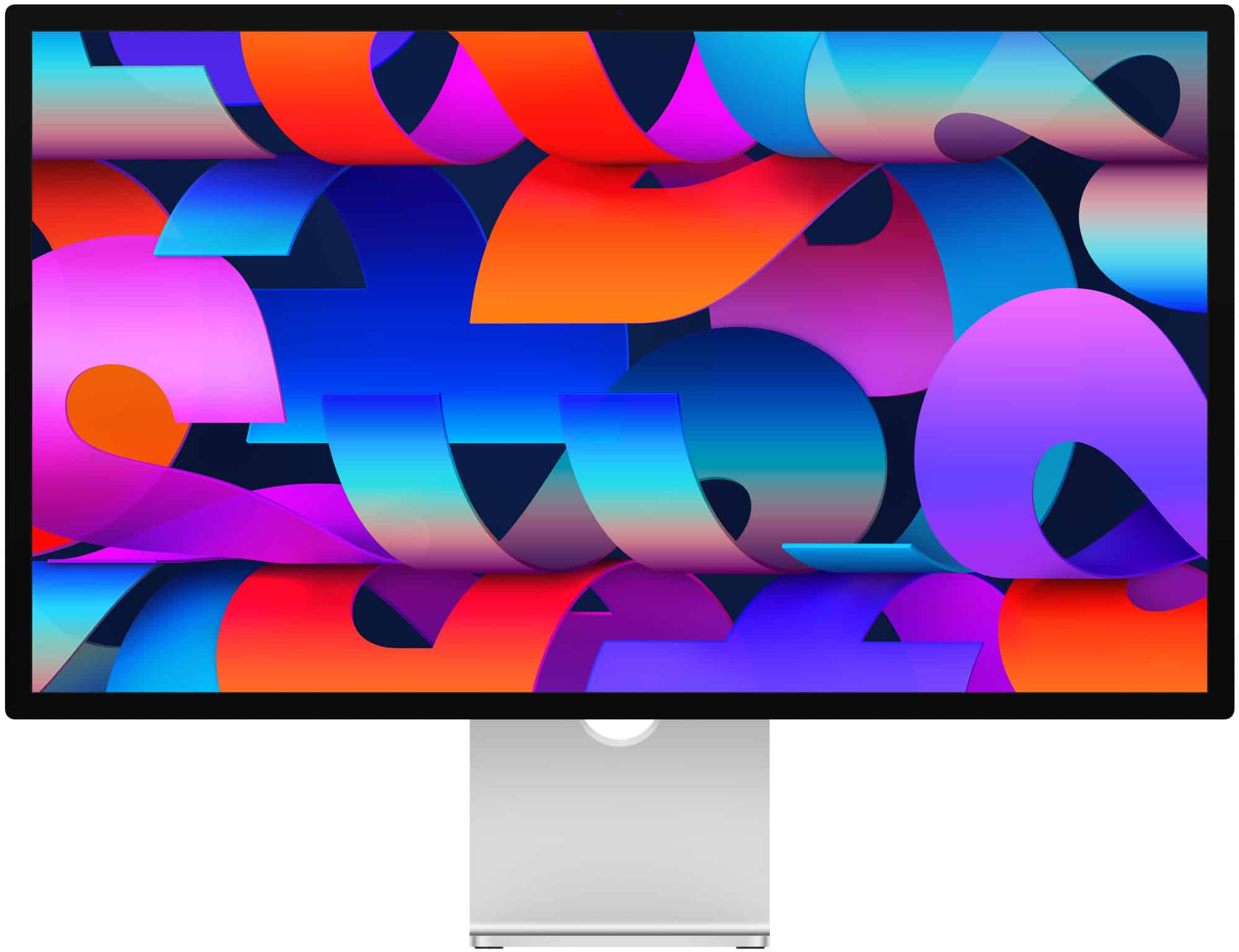
Apple’s Studio Display has set a high bar for professional-grade monitors, combining a stunning 5K Retina display with seamless Mac integration and a sleek design. However, its premium price and certain limitations—like limited ergonomic adjustability and a relatively basic webcam—have led many creatives and professionals to seek equally capable but more versatile alternatives.
As we move through 2025, the market offers several standout professional monitors that rival or even surpass the Studio Display in key areas such as color accuracy, connectivity, and price. Whether you’re a photographer, video editor, graphic designer, or creative professional, these options provide excellent value without compromising on performance.
Why Consider Alternatives to the Apple Studio Display?
Before diving into the alternatives, it’s important to understand what drives users to look beyond Apple’s flagship monitor:
- Price: The Studio Display commands a premium (around $1,599+), which can be prohibitive for freelancers and studios on a budget.
- Ergonomics: While the Studio Display’s design is elegant, its stand offers limited adjustability unless you pay extra for the tilt-and-height adjustable option.
- Connectivity: Although it features Thunderbolt 3 and USB-C ports, some professionals require more diverse I/O options or daisy-chaining capabilities.
- Customization: Certain professionals prefer monitors with advanced hardware calibration and wider color gamut support for precise color grading.
With these factors in mind, here are the top professional monitors that serve as compelling alternatives in 2025.
1. LG UltraFine 5K (27MD5KL-B)

See it on Amazon here: https://amzn.to/4o7MVnB
Often dubbed the closest match to the Studio Display, the LG UltraFine 5K is a favorite among Mac users for its native 5120×2880 resolution and P3 wide color gamut. It offers nearly identical Retina-level sharpness and superb color fidelity, making it ideal for photographers and designers who demand pixel-perfect accuracy.
Why it stands out:
- Native macOS support with full brightness and color management.
- Thunderbolt 3 and USB-C connectivity with 94W power delivery.
- Built-in camera, microphone, and speakers (though not as advanced as Apple’s).
- More affordable than the Studio Display, often found under $1,300.
Consideration: The design is utilitarian compared to Apple’s sleek aesthetics, and its stand offers only tilt adjustment.
2. Eizo ColorEdge CG319X

See it on Amazon here: https://amzn.to/46vwuv6
For professionals who prioritize color accuracy above all else, Eizo’s ColorEdge series is the gold standard. The CG319X model features a 4096×2160 resolution (true 4K DCI), 99% AdobeRGB, 98% DCI-P3 coverage, and built-in hardware calibration sensors.
Why it stands out:
- Industry-leading color uniformity and 16-bit LUT for ultra-precise color reproduction.
- Built-in calibration sensor ensures consistent, reliable color over time.
- Ideal for high-end photography, prepress, and video post-production.
- Exceptional build quality and professional-grade support.
Consideration: The price is steep (often $5,000+), making it a serious investment for studios and professionals.
3. Dell UltraSharp U3224KB
Dell’s UltraSharp line has long been respected for delivering professional-grade monitors at accessible prices. The U3224KB is a 32-inch 4K (3840×2160) display that offers excellent color accuracy, wide color gamut (99% AdobeRGB, 98% DCI-P3), and USB-C/Thunderbolt 4 connectivity.
Why it stands out:
- Affordable compared to Apple and Eizo, typically around $1,200-$1,500.
- Robust ergonomic stand with height, tilt, swivel, and pivot adjustments.
- Factory-calibrated for color accuracy.
- USB-C with 90W power delivery and multiple USB ports for peripherals.
Consideration: Slightly lower resolution than 5K displays but with a larger screen size, great for multitasking and detailed work.
4. BenQ PD3220U
BenQ’s PD series targets creative professionals with features tailored to design and color-critical workflows. The PD3220U offers a 32-inch 4K UHD panel with 95% DCI-P3 and 99% AdobeRGB coverage, plus HDR10 support.
Why it stands out:
- Thunderbolt 3 connectivity with 85W power delivery.
- HDR10 and HDR PQ support for video editors working with HDR content.
- Hardware calibration support with the included Palette Master Element software.
- DualView mode to preview work in different color spaces side-by-side.
Consideration: The design is functional but less premium than Apple’s, yet it offers excellent value for creatives.
5. ASUS ProArt PA32UCX
If you need top-tier HDR performance and color fidelity, the ASUS ProArt PA32UCX is a powerhouse. It features a 32-inch 4K HDR display with 97% DCI-P3, 99% AdobeRGB, and 1000-nit peak brightness for HDR mastering.
Why it stands out:
- HDR10, Dolby Vision, and HLG support for professional HDR workflows.
- Hardware calibration with ASUS ProArt Calibration technology.
- Multiple connectivity options: Thunderbolt 3, DisplayPort, HDMI.
- Factory calibrated with Delta E < 2 color accuracy.
Consideration: It’s a high-end monitor with a price tag to match, but for color-critical work, it’s one of the best alternatives available.
Final Thoughts: Choosing the Right Alternative
The best Apple Studio Display alternative depends heavily on your workflow, budget, and specific needs:
- If you want a seamless Mac experience with Retina resolution, LG UltraFine 5K is the closest match.
- For uncompromising color accuracy and calibration, Eizo ColorEdge is unmatched.
- If you want a balance of price, size, and features, Dell UltraSharp U3224KB and BenQ PD3220U are excellent choices.
- For HDR professionals and color graders, ASUS ProArt PA32UCX offers premium features.
As technology advances, the gap between Apple’s Studio Display and alternatives continues to narrow. Many of these monitors offer more flexible ergonomics, diverse connectivity, and advanced calibration options—features that can be crucial for professional creatives.
By carefully considering your priorities—be it resolution, color accuracy, ergonomics, or budget—you can find a professional monitor alternative that not only meets but exceeds your expectations, all without the Apple premium.
Key Takeaways
- Alternatives to the Apple Studio Display offer similar quality at more accessible price points.
- Monitors like the Samsung ViewFinity S9 and LG UltraFine 5K provide comparable or superior features.
- Suitable monitors enhance the computing experience for various professional and everyday uses.
Evaluating Alternatives to The Apple Studio Display
When seeking an alternative to the Apple Studio Display, the LG UltraFine 5K 27MD5KL-B stands out for its similar specs and lower price. It has a 27-inch screen with a 5K resolution that works well for photo editing and other tasks where color accuracy is key. The monitor supports DCI-P3 and sRGB, crucial for creators who prioritize color fidelity.
For connectivity, the LG monitor offers Thunderbolt 3 ports, which ensures high data transfer speeds. It also has multiple USB-C and USB-A ports, increasing its versatility. The built-in webcam and speakers make it a well-rounded option for users, similar to the integrated 12MP camera and spatial audio functionalities of the Studio Display.
The Dell UltraSharp U2723QE is another contender. It has a 4K resolution and consistent color accuracy across a wide color gamut. It comes with an ergonomic stand that allows for tilt, swivel, and height adjustments, aiding in an improved viewing experience. Its connectivity options include Thunderbolt 4, HDMI, and USB Type-C.
Samsung offers alternatives like the ViewFinity S9 with a 5K resolution, precise color accuracy, and a sleek design. It has HDR support for better contrast and a bright display, suitable for both video editors and photographers. The Samsung M8 Smart Monitor doubles as a streaming device with Tizen TV OS, adding value for users who want more from their display.
A budget-friendly option is the Asus ProArt PA279CV. It offers professional-grade color precision with a 4K panel and ergonomic adjustments. It also supports a variety of connectivity options including HDMI and USB-C.
In summary, alternatives to the Apple Studio Display cater to various needs and budgets while ensuring performance, color accuracy, and connectivity remain top priority.